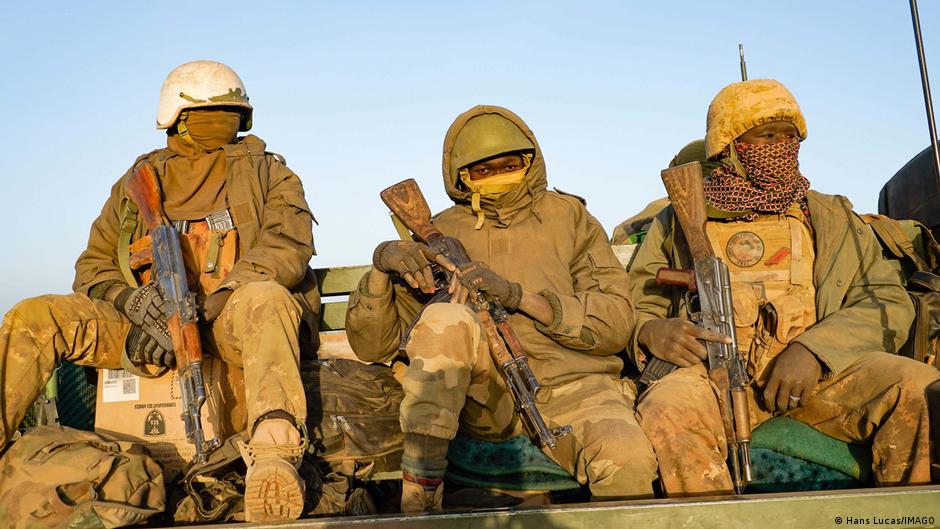
The presence of Russian paramilitary fighters in Mali has sparked discussions, particularly regarding their comparatively low casualty rates compared to Malian troops. While jihadist attacks continue to target security forces across the country, the number of Russian losses remains disproportionately low. What factors contribute to this stark contrast?
Analysts point to several key reasons behind the disparity in fatalities between Russian mercenaries and Malian soldiers. Their mission structure, deployment strategies, and combat experience all play a role in shaping these outcomes.
numbers reveal the gap in exposure
One of the most significant factors is the sheer difference in troop numbers. While the Malian Armed Forces (FAMa) boast over 13,000 personnel deployed across the country, Russian paramilitaries—linked to Africa Corps—number between 1,500 and 2,000. This numerical imbalance means Malian forces bear the brunt of daily security operations.
As noted by Mamadou Mouth Bane, a Sahel security analyst and author of multiple studies on jihadism, “The explanation is straightforward. The Malian military remains on the front lines, positioned in high-risk zones where attacks are most frequent. Russian fighters, on the other hand, operate primarily in a support role, handling logistics, drone surveillance, and data analysis rather than direct combat engagements.”
combat experience and tactical advantages
Despite their smaller numbers, Russian mercenaries are not immune to losses. However, their experience in previous conflicts—including Syria and Ukraine—gives them a tactical edge. Unlike many Malian soldiers, who receive limited training, these fighters are seasoned veterans familiar with asymmetric warfare.
Abdoulaye Sounaye, a Sahel researcher at the Leibniz Center for Modern Oriental Studies in Berlin, highlights this disparity: “We are comparing two distinct forces: a national army and a group of professional mercenaries with extensive combat experience. Their expertise in handling drone warfare, armored vehicles, and coordinated defense strategies significantly reduces their vulnerability compared to Malian troops.”
Additionally, Russian fighters often operate with advanced equipment, including armored vehicles and aerial surveillance, which enhances their protection during engagements.
strategic priorities shape outcomes
Another critical factor is the mission focus of Russian forces. With limited personnel, their operations prioritize high-value targets and critical infrastructure, leaving routine patrols and prolonged frontline duties to Malian soldiers. This division of labor ensures that Russian fighters are less exposed to sustained attacks.
While Malian troops endure the highest risks, their Russian counterparts remain in a supporting role, minimizing direct confrontations. Still, casualties among Russian mercenaries do occur, though the lack of official transparency from either Bamako or Moscow makes it difficult to assess the full extent of their losses.
In summary, the lower casualty rates among Russian mercenaries in Mali stem from a combination of superior training, advanced equipment, strategic positioning, and a support-focused mission—all of which contrast sharply with the frontline realities faced by Malian soldiers.