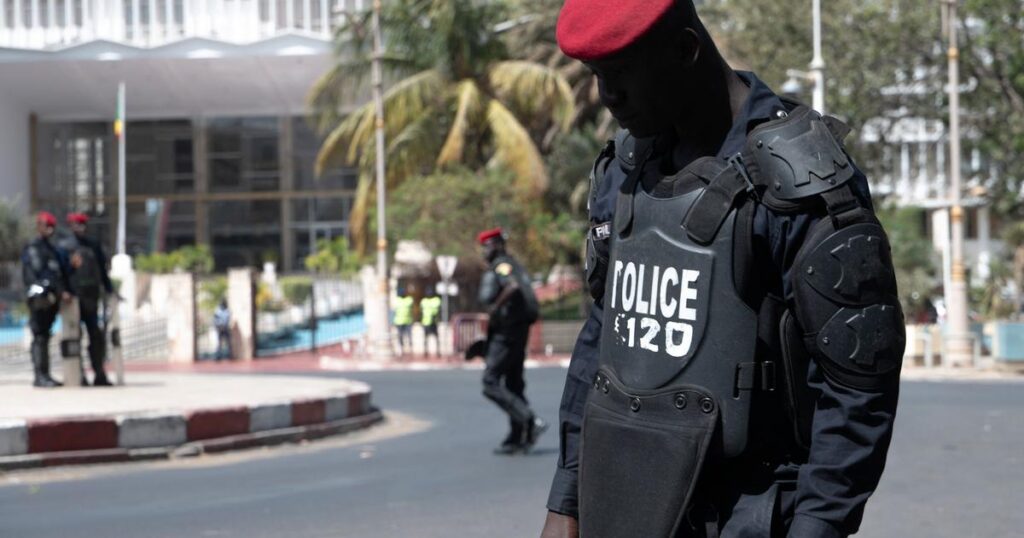
A Beninese student in Dakar is still shaken by the events of that night. Around 10 PM, Amadou Bangoura, 30, left his gym in the upmarket Liberté 6 district, his papers in order, when a police patrol flagged him down. Two officers approached, demanding to see identification. The ordeal left him questioning whether Senegal’s famed Teranga—hospitality in Wolof—was fading into suspicion.
Bangoura’s experience mirrors a broader trend. Between June 30 and July 8, authorities conducted 490 checks on foreigners, primarily West Africans, under a campaign by the Directorate of Foreigner Police and Travel Documents to “enhance public safety.” The crackdown led to 36 deportations for irregular stay. Yet critics argue the measures disproportionately target residents, creating an atmosphere of systematic mistrust toward outsiders.
administrative overreach and civil society alarm
Civil society groups warn that the campaign normalizes arbitrary arrests, excessive paperwork demands, and prolonged detentions. A July 13 statement condemned what it called the “banalization of suspicion” against foreigners, stressing that while security policies exist, their enforcement risks eroding Senegal’s tradition of openness. The concerns come at a delicate time: Senegal has just assumed the presidency of the Economic Community of West African States (ECOWAS).
Social media amplifies tensions. Viral TikTok videos have singled out the Guinean community—over 40% of Senegal’s foreign residents—accusing them of stealing local jobs. Such rhetoric echoes xenophobic narratives recently seen in South Africa, where migrants are similarly scapegoated.
a nation at a crossroads
For residents like Bangoura, the shift is palpable. “I kept wondering what would happen to me,” he said, reflecting a growing unease among long-term foreign residents who once felt secure. As Senegal balances security imperatives with its legacy of hospitality, the debate over who belongs—and under what conditions—has never been more urgent.