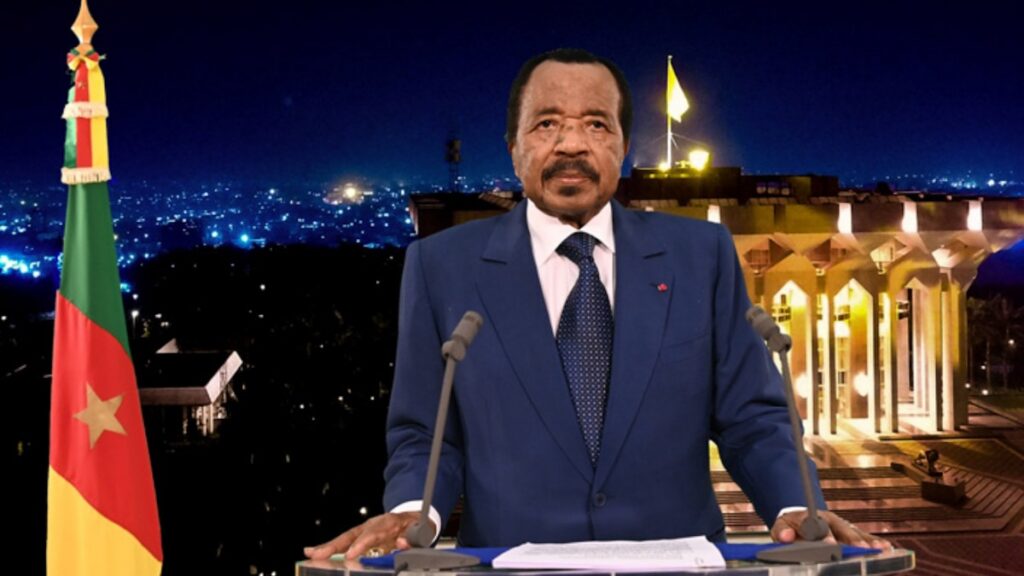
Since June 7, 2026, when President Paul Biya left Yaoundé for what was described as a brief private stay in Europe, Cameroon has been operating in a state of prolonged uncertainty. More than two months later, with no public appearances or official return date in sight, the absence at the highest level of government is no longer just a political talking point—it’s reshaping the country’s economic landscape and straining the social fabric.
Economic paralysis: Markets hesitate as Cameroon waits for decisive leadership
Cameroon’s centralized governance model means the president’s signature is often the final word on national priorities. Without it, critical decisions stall, sending ripples through the economy:
- Financial markets lose confidence: Cameroon’s dollar-denominated bonds have slumped to among the weakest performances in Africa. Analysts cite the lack of clarity on leadership succession and perceived political instability as key deterrents for international investors.
- Infrastructure projects grind to a halt: Major Public-Private Partnerships (PPPs) and infrastructure initiatives require high-level approval. With no executive sign-off, files pile up in ministerial offices, delaying fund disbursements and budget execution.
- Administrative paralysis persists: Even after April 2026’s constitutional reform introduced a vice-presidential role to prevent leadership vacuums, the position remains unfilled. A long-anticipated cabinet reshuffle has also been put on hold, leaving governance in a state of suspended animation.
Rising costs and frustration: How the absence is hitting citizens hard
The impact on everyday life is becoming increasingly visible:
- Inflation tightens budgets: Local markets continue to grapple with soaring prices for essential goods and fuel. Without responsive fiscal measures or budget adjustments, household purchasing power continues to decline.
- Distrust and anxiety spread: The lack of official communication has fueled speculation and misinformation across social media. This opacity is breeding resentment among citizens, particularly the youth, and fueling social tensions.
- Key crises neglected: Critical issues such as the Anglophone crisis in the Northwest and Southwest regions, youth unemployment, and crumbling road and electricity networks lack the political momentum needed for sustainable solutions.
A system tested: Why Cameroon’s centralized power model is showing cracks
Paul Biya’s prolonged absence is exposing the fragility of Cameroon’s institutional framework—a system that relies heavily on a single leader for decision-making. It underscores how vulnerable the country’s socio-economic stability becomes when power is concentrated in the hands of one individual, especially during extended absences.
For Cameroon to restore investor confidence and ease social tensions, urgent action is required. Clarifying governance structures and restarting routine state operations are no longer optional—they are essential to moving forward.