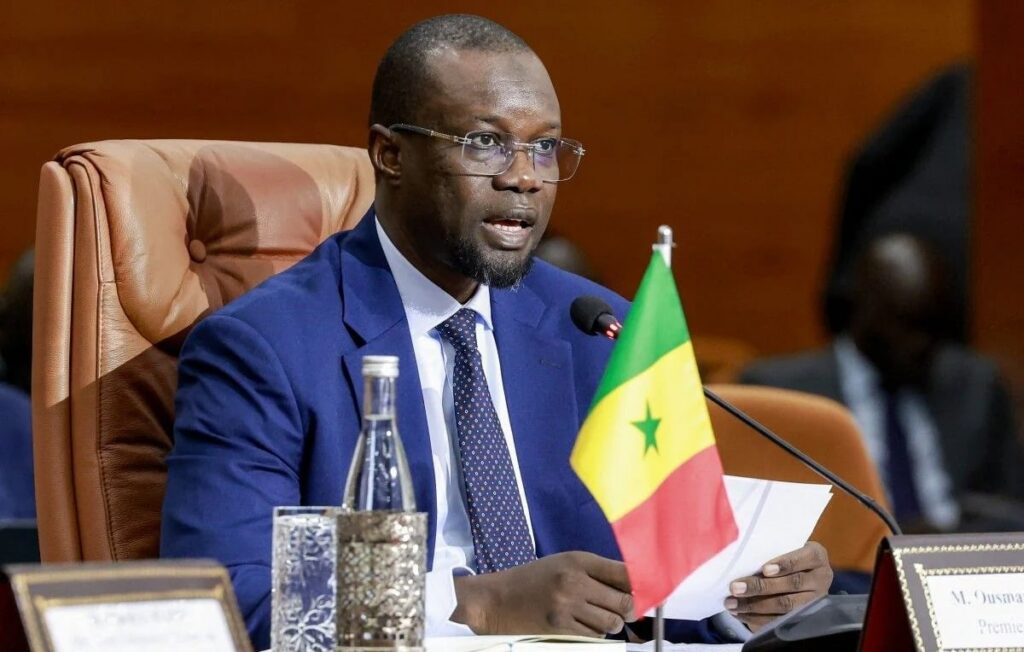
PASTEF-Les Patriotes has formally turned down an invitation to join the government coalition, closing the door on negotiations that failed to bridge critical divides. The party’s decisive stance signals a calculated political maneuver, reshaping the balance of power within the state and underscoring a stand on political integrity.
Negotiations collapse under unresolved tensions
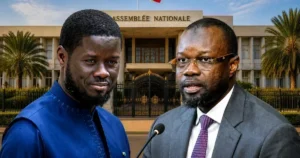
The fateful meeting between the President and Ousmane Sonko ultimately ended in deadlock. While polite language hinted at areas of agreement, it was the unresolved tensions that sealed the outcome. The crux of the impasse lay in the structure of governance and the limited role allotted to the parliamentary majority.
By rejecting PASTEF’s final proposals, the Head of State pushed the party to draw a definitive line in the sand, refusing to entertain half-measures or symbolic concessions.
Transparency vs. opacity: the battleground of principles
PASTEF framed its approach as a model of clarity: thorough internal consultations, structured feedback loops, and a commitment to accountability. Yet the party reserved its sharpest critique for the executive’s lack of transparency, stating bluntly, “…the executive framework, whose structure remains entirely unclear to us.”
For Ousmane Sonko, accepting a position without full visibility into the government’s inner workings would have amounted to signing a blank check. PASTEF’s refusal was not about obstruction—it was about refusing to compromise its principles, even if it meant walking away from the table.
A firm stand on political dignity
The party’s official statement left no room for interpretation:
“As a result, PASTEF will not participate in the next government or be represented by any minister.”
This uncompromising language closed the door on any last-minute defections or backroom deals. PASTEF refused to be relegated to a secondary role—merely lending legitimacy to an administration without a real voice in shaping the nation’s direction.
What’s next for PASTEF?
By opting out of the executive, PASTEF has executed a strategic withdrawal with two key objectives:
- Maintaining political capital: By avoiding the daily burdens and potential unpopularity of state governance, the party preserves its reputation and credibility.
- Sharpening its parliamentary influence: With its strong mandate in the National Assembly, PASTEF can now act as a rigorous watchdog, holding the future government to account without the constraints of executive office.
Far from a sign of weakness, this move is a declaration of strength. PASTEF has chosen autonomy over compromise, signaling that it will play a harder game in the political arena ahead.