Senegal’s political landscape shifts: Pastef declines cabinet role in new government
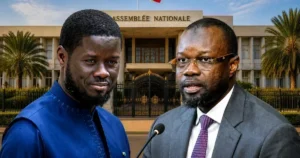
President Bassirou Diomaye Faye has finalized a new cabinet without representation from the country’s ruling party, Pastef, led by former Prime Minister Ousmane Sonko. The announcement, made on June 1, follows weeks of escalating tensions between the two leaders over cabinet formation and political strategy.
The decision comes just 12 days after President Faye dismissed Sonko from his previous position, a move that followed months of growing friction. The rift has plunged Senegal into a period of heightened political uncertainty, compounding existing financial challenges as the nation grapples with severe economic pressures.
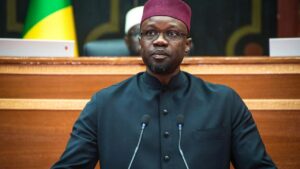
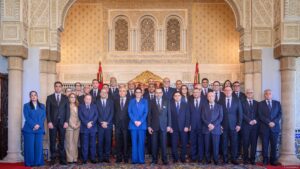
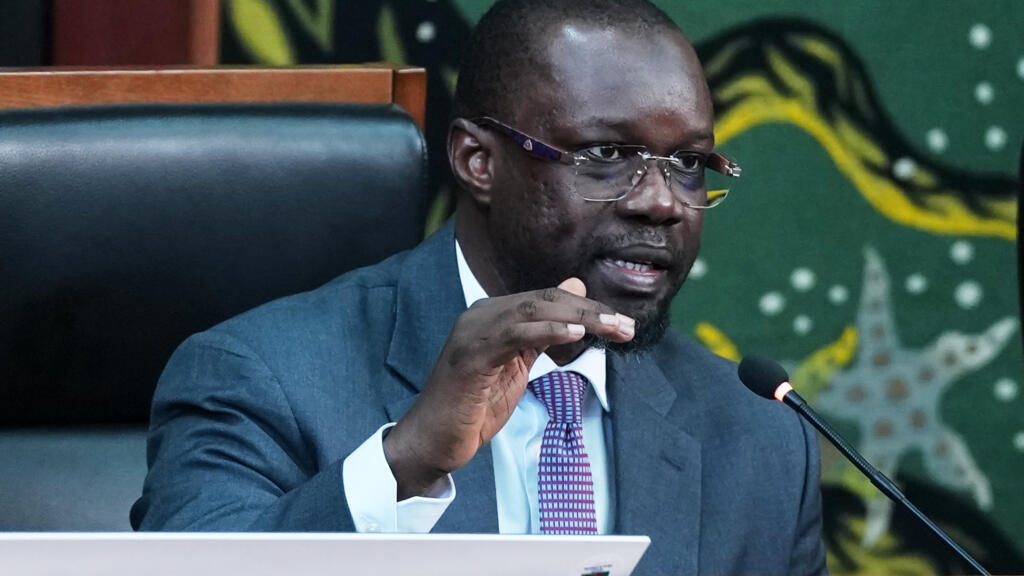
Sonko, who was recently elected Speaker of the National Assembly, has been replaced by Ahmadou Al Aminou Mohamed Lô as the new Prime Minister. The 30-member cabinet list unveiled on Monday notably excludes several prominent figures from Pastef, signaling a clear divergence from the previous administration’s composition.
Sonko’s party cites fundamental disagreements
In a statement released on social media, Pastef announced its decision not to participate in the new government. The party cited unresolved disagreements with President Faye regarding the allocation of power and the role of the ruling majority within the executive branch.
“During a lengthy meeting between the President and myself as party leader, we identified areas of alignment, but critical points of disagreement persisted, particularly concerning the strategic positioning of our movement within the government,” the statement explained. “Following internal consultations, revised proposals were submitted to the President, but no favorable response was received. As a result, PASTEF – Les Patriotes will not be represented in the next government.”
Economic strain adds pressure to political tensions
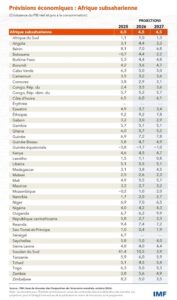
Senegal’s political instability unfolds against a backdrop of severe economic strain. Earlier this year, the discovery of significant debt underreporting by the previous administration triggered a crisis, prompting the International Monetary Fund to suspend a $1.8 billion loan program. By the end of 2024, national debt had surged to 132% of GDP, pushing the government to restart negotiations with the IMF next week in hopes of reaching a key agreement by June 30.
Finance Minister Amadou Ba has emphasized the urgency of restoring economic stability, though the timing of a potential deal remains uncertain amid ongoing political turbulence.