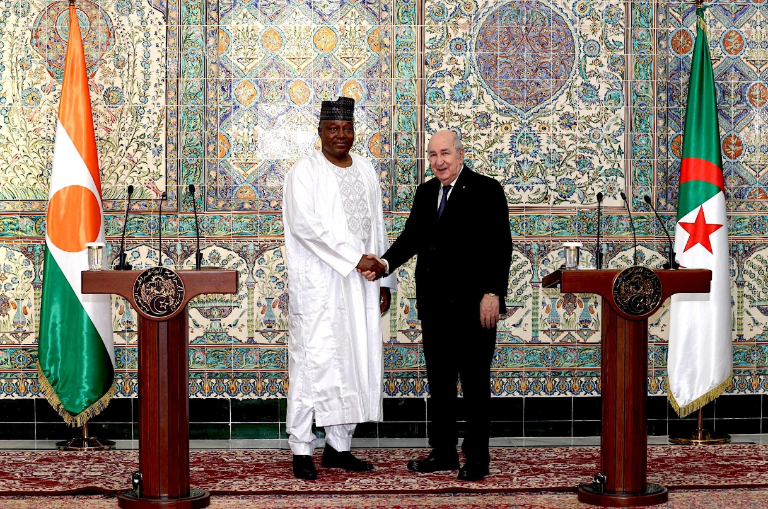
What sparked Niger’s diplomatic protest over Algeria’s military deployment?
Niger summoned the European Union’s chargé d’affaires in Niamey after Brussels questioned the legal framework and objectives behind Algeria’s military presence on Nigerien soil. Authorities in Niger described the EU’s statements as “condescending and unacceptable,” escalating a debate over where diplomatic boundaries lie when sovereign nations forge military alliances.
The move underscores a growing tension: while Niger asserts its right to independently manage regional security partnerships, international observers insist that transparency in such decisions matters for regional stability. The Algerian troop deployment, though bilaterally agreed, has triggered broader geopolitical scrutiny.
Can the EU comment on foreign military deployments without overstepping?
The core of the dispute hinges on whether raising questions amounts to interference. International law, particularly Article 2(7) of the UN Charter, protects state sovereignty but does not silence external actors from voicing concerns about developments that could affect regional peace. The EU’s request for clarity—regarding mission scope, command structure, and legal basis—falls within permissible diplomatic communication, not coercive interference.
For an act to qualify as unlawful interference, there must be evidence of coercion or attempts to dictate another state’s sovereign choices. Simply seeking information, even when unwelcome, does not meet this threshold. In this context, the EU acted within its right to seek understanding of a development with potential cross-border implications.
Why Algeria’s troops in Niger raise regional security concerns
The Sahel remains a hotspot for armed group activity, porous borders, and fragile regional cooperation mechanisms. Any military movement involving multiple states can alter local power balances and trigger unintended consequences. Key uncertainties include:
- Command structure: Who leads the operation, and how does it integrate with existing security frameworks?
- Mission duration and scope: Is this a short-term deployment or a long-term presence?
- Legal basis: Is the deployment grounded in bilateral agreements, UN resolutions, or regional accords?
- Accountability: What mechanisms exist to report progress and address violations?
These questions are not academic. They directly influence whether such deployments contribute to security or inadvertently fuel instability, displacement, or conflict spillover. The EU, as a major partner in the region, has a stake in understanding these dynamics.
Diplomatic discourse or overreach? Separating intent from impact
While Niger is entitled to defend its sovereignty and criticize the tone of EU remarks, the underlying issue remains: can international partners afford to stay silent when military moves risk destabilizing fragile zones? The EU’s role is not to approve or veto agreements but to assess their regional implications.
This episode highlights a delicate balance. On one side, sovereignty demands respect for national decisions. On the other, transparency and dialogue are vital to prevent misunderstandings that could escalate into crises. The language used, timing, and framing of diplomatic statements matter just as much as their substance. A critical question emerges: when does legitimate concern cross into perceived arrogance?
What lies ahead for Niger-Algeria-EU relations?
The path forward depends on mutual recognition of two truths: sovereign states retain autonomy in security partnerships, and international actors retain the right to seek clarity on developments affecting regional peace. Escalating through diplomatic protests risks overshadowing the potential for constructive dialogue. Instead, both sides could benefit from structured discussions that address:
- Clear public articulation of Algeria’s mission objectives and constraints
- Regular updates on progress and challenges to regional partners
- Joint assessments with the EU and other stakeholders on long-term stability impacts
Ultimately, the goal is not to police sovereign decisions but to foster an environment where choices are made with full awareness of their regional repercussions. That requires less confrontation and more collaboration—even when interests collide.
For now, the EU’s concerns stand as a reminder: sovereignty and scrutiny are not mutually exclusive. How they coexist will shape not only Niger-Algeria relations but the broader trajectory of Sahel security.





