Why Senegal and Benin’s Paris peace forum participation matters for Africa’s economy
The 2026 Paris Peace Forum isn’t just another diplomatic gathering—it’s where Africa’s voice is becoming impossible to ignore. With West African leaders like Senegal’s President Bassirou Diomaye Faye and Benin’s Digital Transformation Minister Mahuna Akplogan stepping into the spotlight, this year’s edition could redefine how global peace and economic policies are shaped. What does this mean for citizens, businesses, and the future of African independence on the world stage?
The real stakes for Senegal: from diplomatic presence to economic leverage
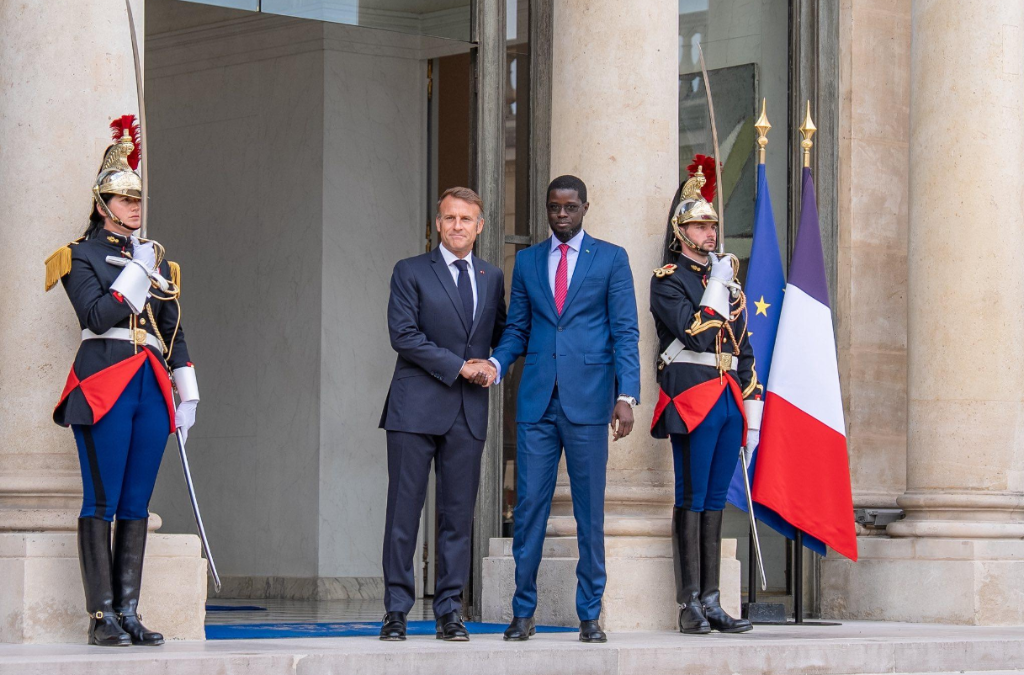
Senegal’s participation at the forum comes at a pivotal moment. President Faye’s meeting with France’s President Emmanuel Macron the day before the event signals more than just protocol—it reflects Dakar’s strategic push to reframe its international partnerships on its own terms. The stakes? Nothing less than securing fairer trade deals, greater access to development financing, and a stronger say in global security decisions affecting the Sahel.
For Senegal, the forum is not just about being in the room—it’s about making sure African priorities are embedded in the outcomes. From counterterrorism financing to climate-resilient infrastructure, Dakar is pushing for solutions that prioritize African sovereignty while addressing real-world challenges: food security, youth unemployment, and regional stability.
Key takeaways from Senegal’s positioning:
- Security with African leadership: Dakar is advocating for African-led counterterrorism initiatives, not just foreign military support.
- Debt and development: A call for reformed international financial systems that don’t trap African nations in unsustainable debt cycles.
- Sovereignty in partnerships: A rejection of one-sided agreements, pushing for mutual benefit in trade and investment.
Benin’s digital push: how technology is Africa’s new frontier for independence
While much of the Paris Peace Forum’s agenda revolves around traditional diplomacy, Benin is bringing something different to the table: digital sovereignty. Represented by Minister Mahuna Akplogan, Benin is placing artificial intelligence and digital transformation at the heart of its global engagement strategy. Why? Because in today’s world, economic power isn’t just about raw materials—it’s about data, algorithms, and the infrastructure that powers them.
For Benin, the stakes are clear: if Africa doesn’t control its digital destiny, it risks remaining dependent on foreign tech giants for everything from financial services to governance platforms. The minister’s presence underscores a growing continental trend: African nations are no longer willing to be passive consumers of technology—they want to be innovators, regulators, and leaders in the digital economy.
What Benin aims to achieve at the forum:
- AI for local development: Using artificial intelligence to improve public services, healthcare, and agricultural productivity.
- Data governance: Advocating for frameworks that protect African data while enabling innovation.
- Tech infrastructure independence: Reducing reliance on foreign cloud services and payment systems that charge prohibitive fees.
Beyond symbolism: can Paris 2026 deliver real economic change for Africa?
The Paris Peace Forum has a history of fostering high-level dialogue—but dialogue alone doesn’t pay salaries, build roads, or stabilize currencies. The critical question now is whether this year’s participation by Senegal and Benin will translate into tangible economic outcomes for their citizens and businesses.
There are signs of progress. Discussions on debt restructuring, fair trade, and digital inclusion are gaining traction. African leaders are increasingly vocal about the need for structural reforms in global institutions like the IMF and World Bank—changes that could unlock billions in development funds without crippling debt burdens. Similarly, Benin’s focus on digital public goods could inspire regional cooperation in areas like cross-border digital payments and AI-driven healthcare solutions.
Yet challenges remain. Many of these initiatives require long-term commitments from both African governments and their international partners. Will developed nations truly share power in decision-making? Will African tech startups get the support they need to scale? The answers will determine whether this forum marks a turning point—or just another missed opportunity.
What’s next for Africa’s global role? Three scenarios to watch
As the forum concludes, three potential paths emerge for Africa’s future engagement in global affairs—and each carries distinct consequences for everyday Africans and businesses:
1. The empowerment scenario: Africa as a co-architect of global solutions
In this best-case scenario, African voices shape not just the agenda but the implementation. New trade deals prioritize African industries, digital policies ensure fair access to technology, and security partnerships are built on mutual respect. The result? Stronger economies, more jobs, and greater regional stability. Senegal and Benin’s participation could serve as a blueprint for other African nations to follow.
2. The incremental progress scenario: small wins with lingering gaps
Here, the forum yields modest but meaningful changes—perhaps a few debt relief agreements, a new AI training initiative, or a commitment to increase African representation in global financial institutions. While welcome, these moves won’t fully address systemic inequalities. African businesses may see some benefits, but the continent will still face barriers in accessing capital and technology on equal terms.
3. The status quo scenario: promises without action
If the status quo prevails, the forum becomes another talking shop where African leaders air grievances but return home empty-handed. Without enforceable commitments, economic disparities will deepen, tech dependence will grow, and Africa’s role in global governance will remain peripheral. For citizens and entrepreneurs, this means continued struggles with high costs, limited opportunities, and vulnerability to external shocks.
Final thought: Africa’s moment to define its own economic future
The Paris Peace Forum 2026 isn’t just a diplomatic exercise—it’s a test of whether Africa can move from being a topic of global discussions to a driver of solutions. With Senegal championing political sovereignty and Benin leading the digital revolution, the continent has shown it’s ready to claim its seat at the table. The real measure of success, however, will be in the actions that follow. Will these conversations lead to lasting partnerships? Will African entrepreneurs see concrete benefits? The answers will shape the continent’s economic destiny for decades to come.





