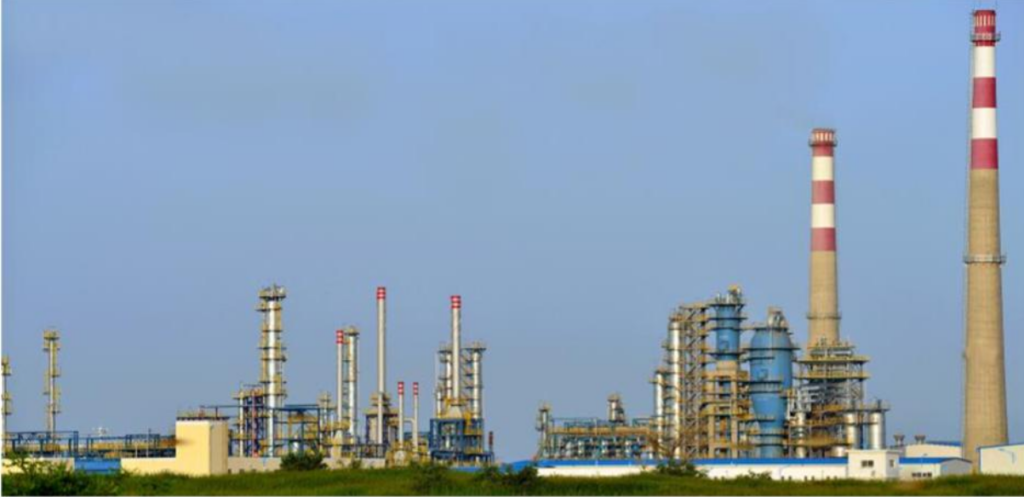
From surplus exporter to fuel importer: the paradox of Niger’s oil industry
The scene was striking: 53 tanker trucks from Algeria rolling into Agadez, greeted by drumrolls and official speeches. The delivery was framed as a diplomatic victory, yet it revealed a harsh reality—Niger, despite operating its own refinery, now relies on foreign fuel deliveries to meet domestic demand. The contradiction is undeniable: a nation with proven refining capacity has shifted from surplus exporter to importer within just a few years.
Where did the nation’s energy buffer go?
Official data from the Zinder refinery (SORAZ) paints a troubling picture. In 2023, the facility produced 365.95 million liters of gasoline, with 328.25 million liters delivered to the state-run fuel distributor SONIDEP. The remaining 37.69 million liters were exported—a clear surplus. By 2024, however, production dropped slightly to 345.34 million liters, all of which went to SONIDEP. The exportable surplus vanished entirely, and the trend continued into early 2025, with no excess volume recorded.
This shift coincided with a December 2024 SORAZ announcement stating that gasoline and liquefied petroleum gas (LPG) were now reserved exclusively for domestic consumption, while diesel continued to be exported. The implication is stark: Niger’s refining capacity no longer generates surplus for national reserves, despite a functioning refinery.
The financial black hole strangling the oil sector
The state-owned SONIDEP, responsible for fuel distribution, is at the center of this crisis. Reports indicate the company faces a staggering debt exceeding 418 billion West African CFA francs. How can an entity handling hundreds of millions of liters of fuel accumulate such debt? The questions are urgent: Are sales fully collected? Are receivables from distributors under control? What revenue actually reaches the company’s coffers?
These financial irregularities suggest deep systemic issues. If SONIDEP cannot secure payments even as it receives fuel shipments, what mechanisms are failing—and who is accountable?
Stockpiles drained to plug cash gaps?
Further scrutiny points to strategic reserves. Industry insiders allege that emergency stockpiles were liquidated under questionable terms to shore up short-term liquidity, potentially compromising refinery maintenance schedules. Such moves may provide temporary relief but undermine long-term energy sovereignty. Without verifiable records of stock movements, contract terms, and beneficiary entities, public trust erodes.
The Nigerian shadow economy: a hidden lifeline lost
For years, Niger’s fuel market relied on black-market supplies smuggled from Nigeria. When Nigeria eliminated fuel subsidies in March 2025, cross-border smuggling plummeted. At the same time, border controls tightened, cutting off a key source of informal supply. A SONIDEP commercial manager noted in early 2025 that Niamey received only 25 tanker deliveries daily against a national need of 50—a direct result of the smuggling collapse.
While the loss of these parallel supply routes exposed systemic weaknesses, it raises critical questions: Why were formal alternatives not developed sooner? Why were storage and import capacities not scaled in anticipation?
Exporting solidarity while importing crisis
In November 2025, Niger sent approximately 82 tankers to Mali during a fuel blockade by armed groups. The operation came with penalties—14 transporters lost operating licenses and 19 drivers had their licenses suspended for refusing requisition. Amid this logistical effort, what was the status of Niger’s own strategic reserves? Did authorities assess whether both domestic and Malian needs could be met simultaneously?
This contrast—sanctions for internal logistics support to Mali, versus official welcome for Algerian fuel deliveries—highlights a deeper inconsistency in national priorities.
The cost of opacity: a nation trading sovereignty for short-term gains
Algeria’s delivery, while operationally useful, cannot substitute for a coherent national energy strategy. The October 2026 government ban on gasoline and diesel exports—aimed at protecting domestic supply—confirms the urgency of the crisis. Yet without transparent pricing, volume commitments, and payment terms, such partnerships risk masking structural failures in local management.
The real scandal isn’t importing fuel. It’s the inability to explain how a resource-rich nation with a functioning refinery allowed its energy buffer to erode—leaving citizens to pay the price.
Auditing the full chain: production, finance, and accountability
An independent review of Niger’s oil sector is overdue. From SORAZ’s production output to SONIDEP’s financial dealings, every link must be scrutinized. Key questions include:
- What happened to the surplus volumes from 2023 and earlier?
- What is the actual status of strategic reserves today?
- Why did gasoline deficits jump from 47.25 million liters in 2024 to 196.62 million liters in the first eight months of 2026?
- What is SONIDEP’s true financial health?
- Are funds allocated for SORAZ maintenance at risk?
- Under what terms was Algerian fuel purchased, and what losses does this transaction entail for the state?
Transparency isn’t optional. Niger’s citizens deserve answers. Its energy future depends on accountability.
Energy sovereignty begins at home
Niger is not without oil. It has a refinery, national reserves, and a history of fuel commerce. Yet in 2026, its leaders must turn to foreign tankers to keep the lights on and the vehicles moving. The paradox is glaring: producing oil without securing domestic supply is not energy sovereignty. And celebrating foreign aid with fanfare cannot replace responsible governance.