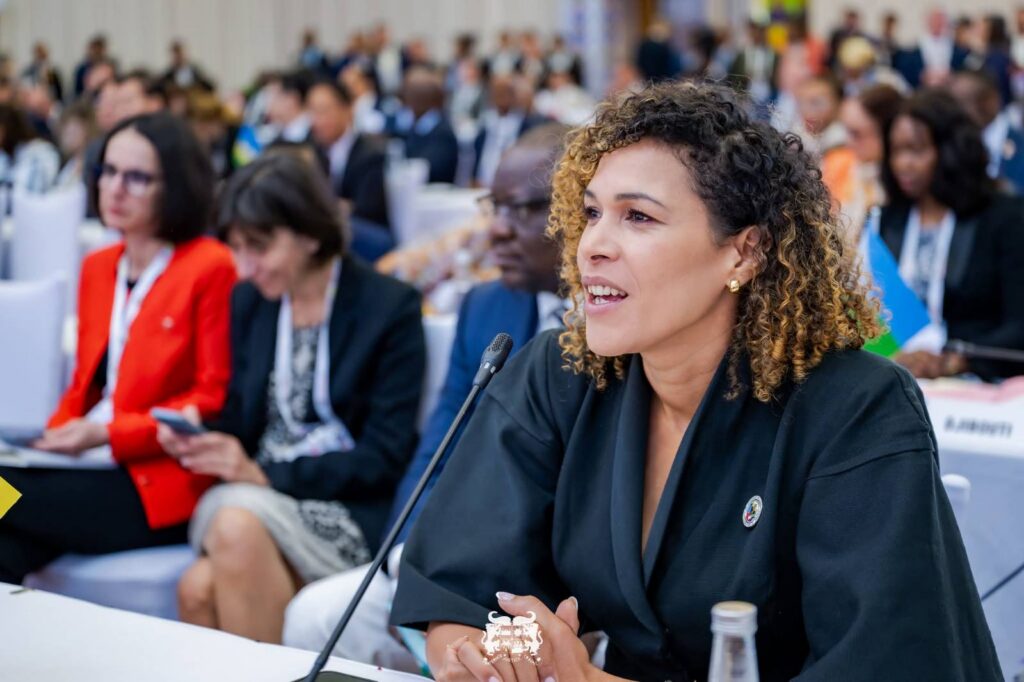
The Beninese government has secured a significant diplomatic win that will have lasting effects on its citizens, businesses, and the broader economy. At the 48th Ministerial Conference of the Francophonie (MCF) held in Phnom Penh, Cambodia, on November 14, 2026, Benin was elected to the vice-presidency of this influential international body. This role, which extends until the next ordinary session in 2027, grants Benin a direct voice in shaping the policies that will influence millions across the Francophonie community.
How Benin’s new role in the Francophonie could transform its economy and society
The Beninese delegation, led by Foreign Minister Corinne Amori Brunet, played a pivotal role in the conference’s discussions. The event, held ahead of the 20th Francophonie Summit on November 15–16, 2026, addressed critical issues such as political stability, economic cooperation, and cultural preservation. For Benin, this vice-presidency is more than a symbolic achievement—it is a strategic opportunity to advocate for policies that could drive investment, improve education, and strengthen regional security.
The election of Benin to this position reflects its growing influence in multilateral forums and its commitment to fostering dialogue among Francophonie member states. By securing this role, Benin gains a platform to influence decisions on trade agreements, development funding, and cultural exchanges that will shape the bloc’s future.
Key policy areas where Benin’s voice will matter most
- Economic opportunities: Benin will now have a seat at the table when decisions are made about trade facilitation, infrastructure investment, and financial assistance programs within the Francophonie.
- Education and youth development: The conference emphasized the need for shared educational resources and scholarship programs, areas where Benin can push for greater collaboration.
- Peace and security: With rising geopolitical tensions, Benin’s leadership role could help steer the Francophonie toward collective solutions for conflict prevention and post-crisis reconstruction.
- Cultural and tourism growth: The conference highlighted the importance of preserving Francophone heritage and promoting cultural exchanges, which could boost Benin’s tourism sector.
Benin’s bid to host the 2027 Francophonie conference: a game-changer for local businesses
In a further display of confidence, the MCF ministers endorsed Benin’s candidacy to host the 2027 Ministerial Conference. If successful, this would mark the first time Benin hosts such a high-profile diplomatic event, drawing global attention to its infrastructure, hospitality, and economic potential. The economic ripple effects could be substantial, from hotel and transportation bookings to long-term investments in tourism and real estate.
Hosting the conference would also position Benin as a gateway for Francophonie-related business deals, international partnerships, and cultural diplomacy. Local enterprises, especially in hospitality and services, stand to benefit from the influx of delegates and media attention.
What’s next? Benin’s diplomatic roadmap for 2027 and beyond
Benin’s vice-presidency officially begins immediately and will run until the 2027 session. During this period, the country will participate in shaping the Francophonie’s strategic priorities for the 2027–2030 mandate. This includes contributing to finalizing key documents like the Phnom Penh Declaration and the Appeal for Cultural Heritage Protection, both of which will guide the organization’s future initiatives.
The next steps for Benin include:
- Advocating for policies that align with its national development goals, such as improving education and healthcare access.
- Leveraging its new role to attract foreign direct investment from Francophonie member states.
- Positioning itself as a mediator in regional disputes, using the Francophonie platform to foster stability.
The bigger picture: Benin’s rising global profile and its impact on citizens
This diplomatic milestone underscores Benin’s emergence as a key player in African and global affairs. By taking on a leadership role in the Francophonie, Benin is not only enhancing its international reputation but also creating tangible benefits for its people. From job creation in the tourism sector to improved access to educational opportunities, the ripple effects of this achievement will be felt at home.
The government’s ability to secure this position—amidst a competitive field of nations—signals strong diplomatic skills and a clear vision for the future. As Benin steps into the vice-presidency spotlight, the world will be watching closely to see how its leadership will shape the Francophonie’s trajectory and, by extension, the lives of millions across the Francophone world.