The World Bank’s pledge of an additional $760 million for Niger’s development is a significant economic lifeline—but only if the funds are managed with ironclad transparency. As the country’s budget transparency score plummeted from 33 to just 6 out of 100 in two years, the real question isn’t whether the money will arrive, but whether it will reach its intended targets without being lost to mismanagement or corruption. With infrastructure deficits straining growth and social needs escalating, this funding could transform lives—but only if accountability mechanisms keep pace with the financial influx.
From promises to pitfalls: the transparency paradox in Niger’s funding surge
The World Bank’s announcement of $760 million in new funding—primarily earmarked for energy, agriculture, and water—comes at a precarious moment for Niger’s governance landscape. While the financial support could catalyze progress, the country’s plummeting transparency metrics cast a long shadow over the initiative. The Open Budget Survey’s most recent findings reveal a dramatic erosion in budget oversight, with Niger scoring a mere 6 out of 100 in 2025—down from 33 in 2023. This places the nation far below the 61-point threshold deemed necessary for meaningful public engagement in fiscal decision-making.
Worse still, the country earned a zero in both citizen participation and budget oversight categories, signaling a near-complete collapse of mechanisms that allow people to track how their money is spent. For a country on the brink of receiving hundreds of millions in fresh funding, the absence of these safeguards raises urgent concerns about whether the new resources will truly serve the public interest—or disappear into opaque channels.
Shrinking civic space: how restricted oversight endangers public funds
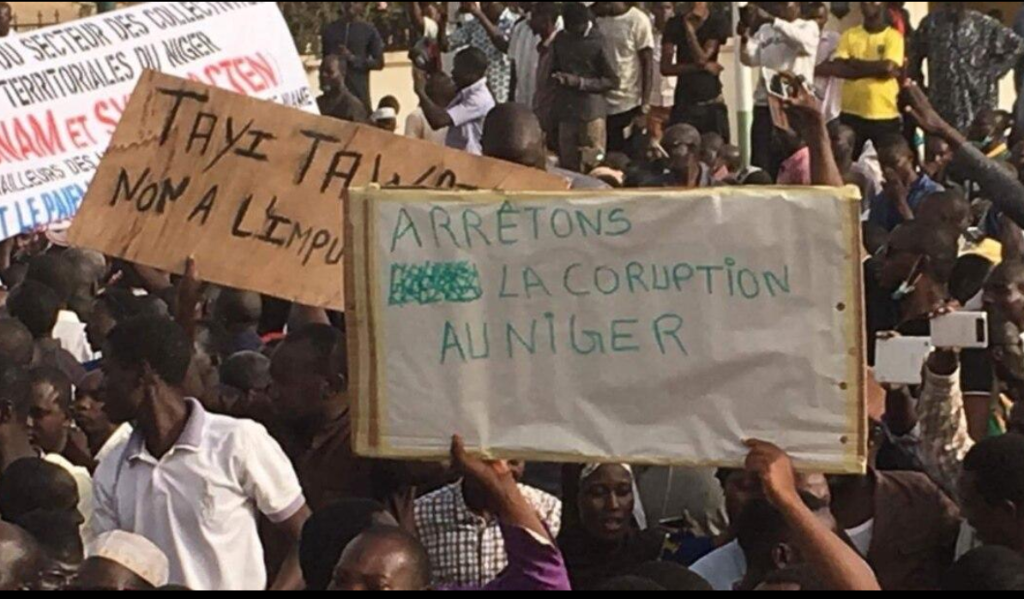
Niger’s governance challenges extend beyond financial reporting. Independent media outlets face mounting restrictions, civil society organizations report systematic obstacles, and critical voices are sidelined under the guise of national security or sovereignty. These developments don’t just muffle dissent; they weaken the very institutions meant to safeguard public resources. When journalists cannot investigate freely, when watchdog NGOs operate under threat of suspension, and when oversight bodies lack independence, the risk of financial misconduct soars.
The erosion of civic freedoms directly undermines the ability to detect and prevent corruption, cost overruns, and conflicts of interest. Without a robust ecosystem of accountability—where free press, active civil society, and transparent institutions can operate without fear—the $760 million infusion risks becoming just another chapter in the cycle of unfulfilled promises and wasted potential.
The accountability litmus test: who will monitor the $760 million?
The onus falls squarely on Niger’s government to prove this funding won’t follow the same path as past allocations. Concrete steps must include the public disclosure of grant terms, sectoral allocations, project timelines, and repayment conditions—especially for any loan-based components. Publishing tender documents, beneficiary lists, and progress reports should be non-negotiable requirements before disbursement begins.
Independent audits, conducted at regular intervals and accessible to the public, are equally critical. These audits must go beyond symbolic gestures; they need to identify irregularities, demand corrective action, and ensure funds are used as intended. The World Bank, too, bears a responsibility to enforce its own anti-corruption safeguards and guarantee that communities affected by funded projects have avenues to voice concerns.
Accountability isn’t optional—it’s the foundation of sustainable development. A country that secures billions in external funding but refuses to open its books to public scrutiny doesn’t strengthen its sovereignty; it merely exchanges one form of dependency for another.
Sovereignty vs. secrecy: the false dichotomy undermining Niger’s progress
For Niger’s leaders, economic sovereignty is a cornerstone of national policy. Yet true sovereignty demands more than reducing financial dependence on external partners or rejecting former alliances. It requires uncompromising transparency, robust institutions, and the courage to subject public spending to democratic scrutiny.
The paradox is stark: clamoring for greater economic autonomy while dismantling the checks and balances that prevent graft and inefficiency is a recipe for failure. If Niger intends for these funds to translate into tangible improvements for its people, the government must embrace transparency as a core pillar—not an afterthought—of its development strategy.
The $760 million could be a turning point for Niger’s future. But without ironclad commitments to accountability, citizen engagement, and independent oversight, it risks becoming little more than a costly lesson in what happens when opportunity collides with opacity.