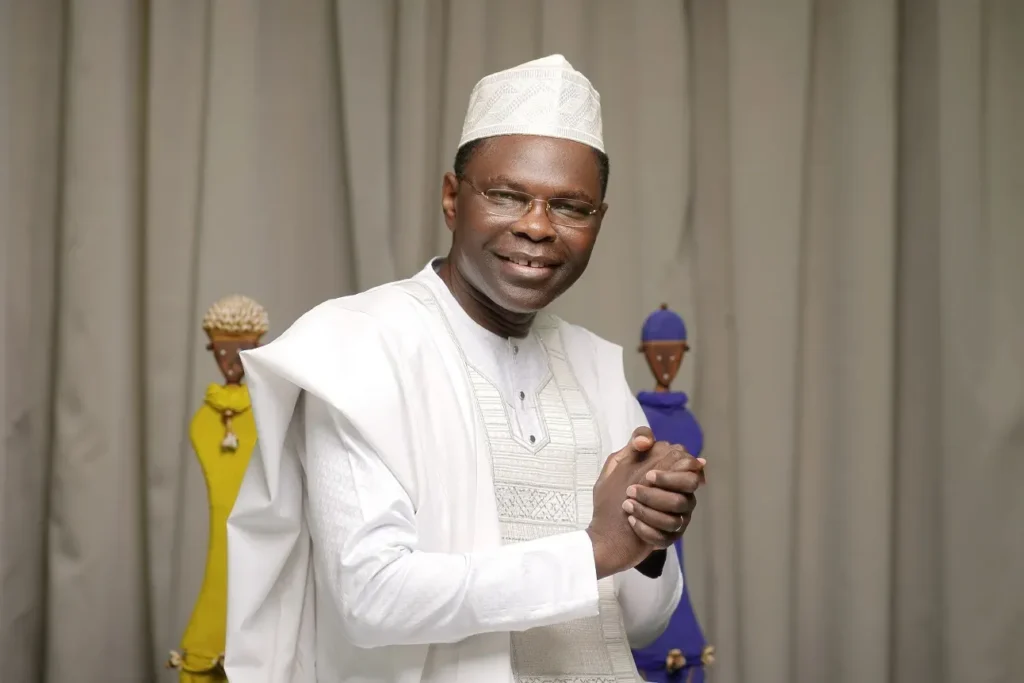
The ripple effects of strained ties between Benin, Niger, and Burkina Faso are no longer confined to diplomatic halls—they are reshaping lives along borders and straining economies across West Africa. In a bold move during the 86th executive committee session and 48th Conference of Heads of State of the African Parliamentary Union in Lomé, Benin’s National Assembly President, Joseph Fifamè Djogbénou, extended a lifeline of unity to Niger and Burkina Faso, framing reconciliation not as a choice, but as a necessity for collective survival.
Why Benin’s outreach matters for Sahel families and businesses
The closure of Benin’s border with Niger in 2023 didn’t just halt trade—it disrupted food supplies, inflated prices, and left thousands of families caught between rising costs and shrinking opportunities. Djogbénou acknowledged these harsh realities, stating, “As long as the night of discord lingers, I trust the dawn of peace will eventually break.” His words carry weight beyond symbolism: they reflect a growing consensus that fractured relations are not just political problems—they are humanitarian crises in the making.
This isn’t just about borders. When Benin trades less with its neighbors, the entire Sahel’s economic pulse weakens. Farmers in the southwest lose access to fertilizers from Niger. Artisans in the north see their markets shrink. And for families dependent on cross-border migration for seasonal work, the ripple effects of isolation hit hardest at home.
From words to action: Benin’s consistent diplomacy in a shifting landscape
Since Djogbénou took office, Benin’s approach to regional tensions has remained steady despite political transitions. Whether in Cotonou or at international forums, the message is clear: diplomacy is not a tactic—it’s a strategy for resilience. Even as leadership changes in government institutions, Benin’s commitment to dialogue has remained unwavering, grounded in the belief that stability in one nation fuels stability across the region.
He underlined this commitment with a simple yet powerful statement: “I extend this hand to Niger and Burkina Faso not out of convenience, but out of conviction. I want to go there. We must go there together.” It’s a call that transcends rhetoric—it’s a roadmap for rebuilding trust through consistent presence and persistent engagement.
Shared challenges demand shared solutions in West Africa
Climate change, security threats, and economic instability don’t respect borders—and neither can solutions. Djogbénou highlighted this interdependence with a striking analogy: “On the shores of Europe, when Africans are turned away, it isn’t just Beninese, Malians, or Nigeriens who feel the sting—it’s Africans collectively who are pushed to the margins.” The message is unmistakable: isolation only deepens shared suffering.
He urged national representatives from all three countries to move beyond impasse and synchronize their efforts. The focus? Leveraging parliamentary diplomacy to create channels of cooperation that governments can sustain. The goal: to prove that solidarity isn’t just idealistic—it’s practical, measurable, and essential for weathering the storms of the 21st century.
What’s at stake: livelihoods, trade, and regional trust
- Trade disruptions: Closed borders mean delayed shipments, higher costs, and lost income for small businesses and farmers.
- Food insecurity: Dependence on regional grain flows makes disruption a direct threat to food availability in markets and homes.
- Human mobility: Migrant workers who once crossed freely now face legal and economic barriers, shrinking household incomes.
- Cultural and social ties: Families divided by political disputes are cut off from support networks that once provided safety and opportunity.
Can Benin’s diplomacy spark a regional recovery?
The road to reconciliation is long, but Benin’s leadership is showing that persistence pays. By leveraging parliamentary platforms to foster dialogue, Cotonou is not only healing old wounds—it’s laying the groundwork for a more resilient Sahel. The real test, however, lies ahead: translating words into tangible steps that restore trust, reopen trade routes, and rebuild the social fabric that binds these nations together.
As Djogbénou puts it, “The sun of peace will rise. It is only a matter of time—and of our collective will to ensure it does.”





