Three years of turmoil under Niger’s military government
For three years, Niger has grappled with deepening political, economic, and security crises under the leadership of its military junta, which seized power in July 2023. Initially hailed as a historic turning point to restore national sovereignty, the coup was also supposed to restore security, revive the economy, and strengthen national unity. Yet, three years later, these promises remain largely unfulfilled, leaving the daily lives of Nigeriens mired in hardship.
The government continues to champion its regained sovereignty and its break from Western allies, but for many citizens, the reality is a steady decline in living conditions. Diplomatic isolation, regional tensions, and economic fragility have only deepened the uncertainties plaguing the country.
An economy under strain and daily hardships
The economic fallout from this period has touched nearly every sector.
- Trade disruptions with neighboring countries, supply chain issues, and early sanctions have crippled economic activity. Businesses have scaled back operations, some have closed entirely, and job opportunities have dwindled.
- Markets are grappling with persistent price hikes for food, fuel, and essential goods, eroding purchasing power month after month.
- Local governments, merchants, and farmers face limited access to financing, restricted credit, and an uncertain economic climate that stifles private initiatives and investments.
Shrinking civic freedoms
Human rights groups warn of an increasingly restricted civic space.
- Criticism of the authorities can lead to legal repercussions or arrests, forcing civil society into a climate of fear.
- Independent media operate in a high-pressure environment, with journalists reporting intimidation and professional restrictions.
- Public protests are heavily controlled, and political gatherings remain limited, curbing opposition and civic groups’ ability to voice concerns.
In response, many citizens choose silence out of caution, while others flee the country in search of stability.
Security challenges persist despite military promises
The military justified its takeover with the need to combat terrorism. However, despite military reorganizations and new security alliances, armed group attacks continue to plague multiple regions.
- Border communities face ongoing violence, forced displacements, and limited access to basic services.
- Villages in high-risk zones endure perpetual insecurity, disrupting agriculture, education, and economic activities.
- The persistence of this threat raises serious questions about the effectiveness of the government’s security strategy over the past three years.
A leadership struggling to deliver
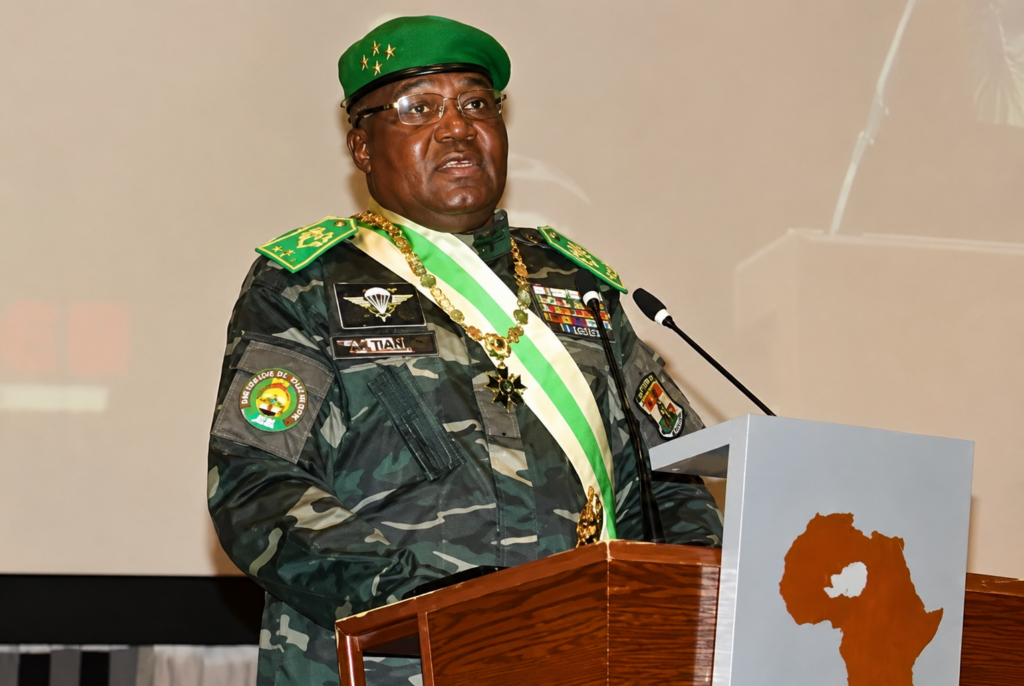
The recent televised address by General Abdourahamane Tiani highlights the growing skepticism among observers.
Rather than outlining concrete steps to address immediate security or economic concerns, the junta leader focused heavily on external threats and foreign actors.
Analysts argue this approach reflects the government’s struggle to demonstrate tangible progress on the key issues that justified its rise to power. As challenges mount, public trust in official narratives is waning, with citizens increasingly demanding solutions over blame-shifting.
A political landscape increasingly closed off
The prolonged military rule has led to a gradual tightening of political life.
- The absence of a clear timeline for a return to civilian governance fuels uncertainty about the country’s institutional future.
- Political parties face severe restrictions, and public debate remains constrained.
- The consolidation of power in military hands has raised concerns about the erosion of democratic oversight and citizen participation in the long term.
Three years on: a deeply unsettled reality
Three years after the power shift, the aspirations that drove the transition have collided with harsh realities. The economy remains fragile, the cost of living continues to burden households, civic freedoms are under strain, and insecurity lingers in multiple regions.
For many in Niger, the priority is no longer political rhetoric but tangible improvements: stable living conditions, lasting security, and economic prospects that offer a hopeful future. Calls for accountability, dialogue, and concrete solutions to address citizens’ concerns are growing louder by the day.