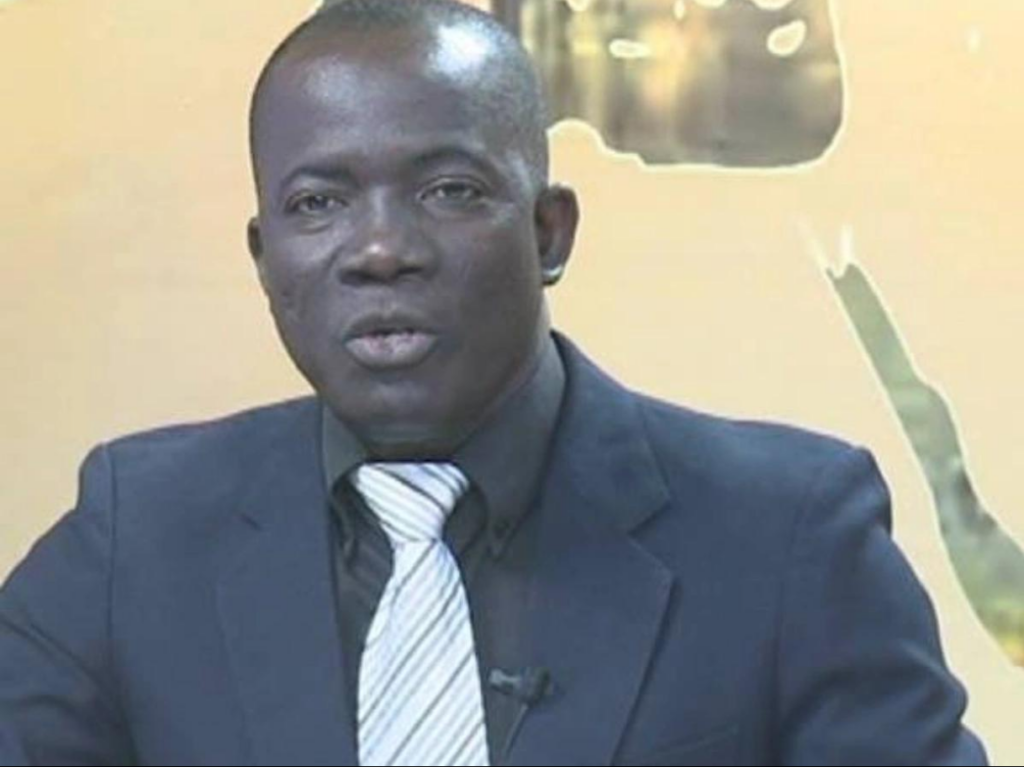
After spending over two years behind bars on charges of undermining state security, Nigerien-Ivorian journalist Serge Mathurin Adou was set free on November 11, 2026. His release, while a relief for his family and colleagues, arrives at a time when Niger’s media landscape remains under severe strain following the military takeover by General Abdourahamane Tiani on July 26, 2023.
The case of Serge Mathurin Adou highlights the broader challenges faced by journalists in Niger, where reporting on sensitive issues has become increasingly perilous. His detention—initially shrouded in ambiguity and later tied to allegations involving neighboring Burkina Faso—exposed the vulnerabilities of media professionals navigating a rapidly shifting political climate.
From disappearance to detention: a case with regional implications
Serge Mathurin Adou vanished on September 1, 2024, after reporting to the judicial police in Niamey, leaving his family and colleagues in the dark. Weeks later, Burkina Faso’s security minister, Mahamadou Sana, named him among individuals allegedly involved in a plot to destabilize the regime in Ouagadougou. Though Niger’s authorities pursued their own charges—undermining state security—the case’s origins underscore how regional tensions can entangle journalists in legal battles far beyond their control.
In November 2025, Adou was sentenced to two years in prison by a Niamey court, a verdict that drew criticism from press freedom advocates given the severity of the allegations. His eventual release marks a rare moment of justice for the journalist, but the legal shadow of his detention lingers over the profession.
Press freedom under siege: how the 2023 coup reshaped Niger’s media landscape
Since General Tiani’s ascent to power, Niger’s media environment has deteriorated sharply. Journalists face a trifecta of threats: arbitrary arrests, media suspensions, and a growing climate of self-censorship. International observers have repeatedly condemned the crackdown, noting how security-related reporting has become a minefield for professionals.
In May 2024, a report by a leading human rights organization documented cases of journalists abandoning critical coverage to avoid retaliation. Among those targeted are Samira Sabou, Ousmane Toudou, and Soumana Maïga—names that have become synonymous with the erosion of press freedoms in the country.
Media bans and institutional restrictions
The pressure extends beyond individual journalists. In January 2024, authorities suspended the Maison de la presse, a key professional organization, while international outlets like France 24 and the BBC also faced temporary shutdowns. These moves signal a deliberate strategy to silence dissenting voices under the guise of national security.
Rankings reveal a stark decline in press freedom
Reporters Without Borders’ 2026 World Press Freedom Index offers a damning assessment: Niger plummeted 37 places in a single year, landing at 120th out of 180 countries. The organization explicitly links this decline to the 2023 coup, citing economic strangulation of media outlets and systemic intimidation of reporters.
This isn’t just a failure to uphold global standards—it’s a threat to democracy. Without independent journalism, citizens lose their ability to scrutinize power, hold leaders accountable, and make informed decisions. The case of Serge Mathurin Adou, while a personal triumph, cannot obscure the systemic cracks in Niger’s media ecosystem.
A fragile victory for one, a warning for many
Adou’s release is undeniably a win, but it’s a temporary one. The broader struggle for press freedom in Niger persists, with journalists still arrested, media houses shuttered, and critical reporting stifled by fear. The government’s narrative of stability cannot justify the suppression of fundamental rights.
National security and press freedom are not incompatible—they must coexist in a society that values transparency. Until then, the story of Serge Mathurin Adou serves as both a cautionary tale and a call to action for those committed to defending the right to inform and be informed.





