Niger-CEDEAO: thawing diplomatic tensions through dialogue
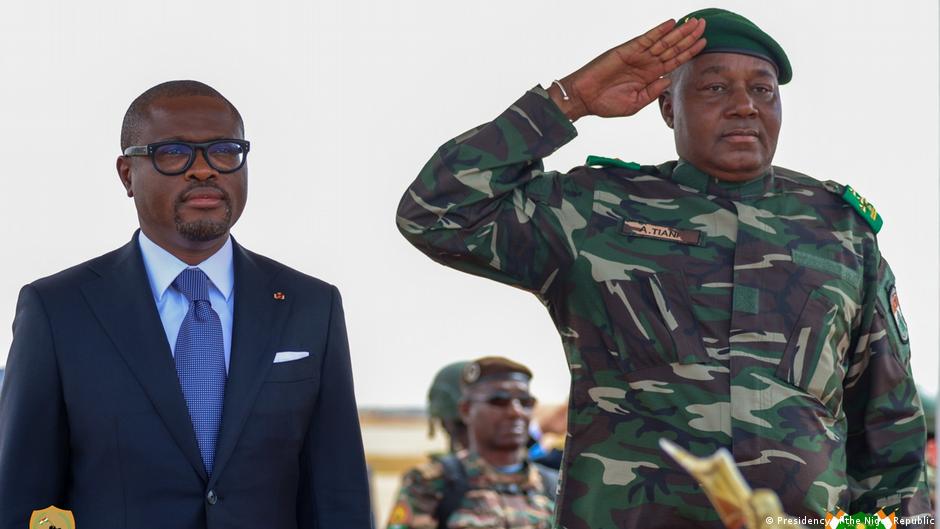
July 25, 2026Since July 2023, the regional bloc has maintained pressure on the National Council for the Safeguard of the Homeland (CNSP) to reinstate ousted President Mohamed Bazoum. The ultimatum issued by CEDEAO was perceived as a declaration of war by Mali and Burkina Faso, both under military rule, complicating Niger’s isolated position within the bloc.
The trio later formed the Alliance of Sahel States (AES), marking a decisive break with CEDEAO. While their withdrawal became official in January 2025, intermittent dialogue persists between the two sides.
Lansana Kouyaté takes the lead in mediation efforts
International affairs expert Pape Ibrahima Kane notes that AES countries have accepted former Guinean Prime Minister Lansana Kouyaté as the primary negotiator for CEDEAO. At a recent meeting in Freetown on July 18, 2026, CEDEAO instructed the new Commission President, Birame Diop of Senegal, to prioritize regional security discussions.
“This marks the beginning of a promising process, as both parties are aligned on key issues and ready to engage in meaningful dialogue,” Kane explains. He highlights Niger’s unique position, dependent on Nigeria and Benin for electricity and access to the Port of Cotonou, a factor Kouyaté is expected to address in negotiations.
Audio insight
“The two parties are truly on the same wavelength and ready to move forward with discussions,” Pape Ibrahima Kane emphasized in a recent interview.
New leadership, renewed hope for dialogue
Recent political shifts offer fresh avenues for reconciliation. The appointment of Bassirou Diomaye Faye as CEDEAO’s rotating president and Romuald Wadagni‘s rise to power in Benin have opened doors for diplomatic engagement. Faye visited AES countries shortly after his election in May 2024, while Wadagni prioritized Niger during his first official tour after taking office.
“Unlike previous leaders often criticized for their approach, these new figures bring a fresh perspective. The incoming CEDEAO leadership in Abuja is also expected to roll out a less rigid agenda,” Kane observes.
Voices from within: perspectives on Niger’s future
Sahanine Mahamadou, Special Advisor to Mohamed Bazoum and head of his customary, religious, social, and humanitarian affairs unit, argues that CEDEAO has consistently sought dialogue with Niger. In his view, the military leadership’s refusal to engage has prolonged the crisis.
“If these leaders are truly patriotic, they must seek pathways to restore civilian rule. The world has evolved, and military governance is no longer sustainable in our states,” he asserts, subtly calling for Bazoum’s return to power. The deposed president has yet to sign his resignation letter, and a March resolution by the European Parliament condemned his detention and that of his wife, demanding their immediate release—sparking strong reactions from Niamey over perceived interference.
Bazoum’s fate and Europe’s balancing act
Jérôme Pigné, founder of the Sahel Strategic Security Reflection Network, questions how the European Union can uphold its values while maintaining dialogue with Niger’s military rulers.
“Mohamed Bazoum’s illegal detention remains a stumbling block in EU-Niger relations. But the broader question is: What do Europeans want? Should they compromise principles for realpolitik? It’s a delicate balancing act, and so far, no one has found the solution,” he remarks.
Pigné notes that Niger has long been a key EU partner and that Brussels is reconsidering its cooperation framework with the country and its neighbors. “Dialogue is essential and ongoing,” he states.
A March study by the German Institute for International and Security Affairs (SWP) suggests that “Europe should offer substantial support to stabilize current military regimes in the region,” including military cooperation, intelligence sharing, equipment provision, and security force training.
The SWP also advocates for EU assistance in improving economic conditions in Niger and other Sahel nations while continuing political dialogue with regional actors. “Europe should not expect military juntas to change their behavior,” the report concludes.