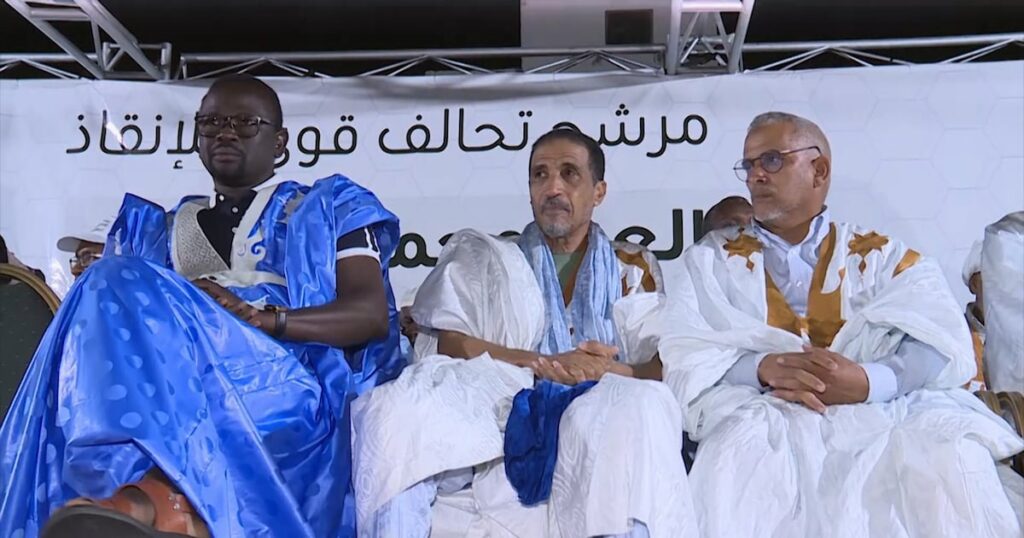
With a historic mass gathering that drew tens of thousands to Nouakchott fresh in the public memory, Professor Mohamed Maouloud steps into his new role as head of the opposition coalition in Mauritania. His ascension comes at a defining moment for the nation, where deep-seated challenges demand urgent action.
a nation at a crossroads
Mauritania today grapples with a daunting array of crises. A stalled national dialogue process has left key issues unresolved, while rising ethnic rhetoric threatens to fracture social cohesion. Security concerns loom large in the eastern regions bordering Mali, where instability and refugee flows have disrupted daily life. Meanwhile, soaring living costs have pushed many families to the brink, intensifying public frustration.
The new leader of the Coalition of Opposition Parties (PCOD) has voiced serious concerns about the current state of affairs. He highlights the urgent need to restart inclusive talks aimed at finding common ground among all stakeholders. “The political deadlock is undermining our ability to address the country’s most pressing needs,” he stated.
breaking the deadlock
The stalled dialogue tops Maouloud’s agenda. He has issued a direct appeal to President Mohamed Cheikh El Ghazouani, urging decisive leadership to overcome obstacles to progress. A central point of contention is the majority camp’s attempt to introduce discussions on a potential third presidential term—a move that, while constitutionally prohibited, has sparked widespread debate.
The opposition leader accuses the ruling bloc of deliberately obstructing national consensus-building efforts. “Without a functional dialogue framework, no other issues can be resolved,” he emphasized. The standoff has paralyzed progress on critical reforms and left citizens questioning the government’s commitment to inclusive governance.
urgent priorities on the table
Beyond political tensions, Maouloud draws attention to three interconnected emergencies: the erosion of national unity amid rising ethnic divisions fueled by online rhetoric; worsening insecurity in the eastern border zones due to spillover from Mali; and the humanitarian fallout from closed borders that has left Mauritanian herders cut off from traditional grazing routes. These crises, he warns, require immediate coordinated action to prevent further destabilization.
The new coalition leader’s agenda reflects the gravity of the moment. As he takes charge, all eyes turn to whether he can steer the opposition toward constructive engagement—or whether Mauritania’s challenges will deepen without decisive leadership.