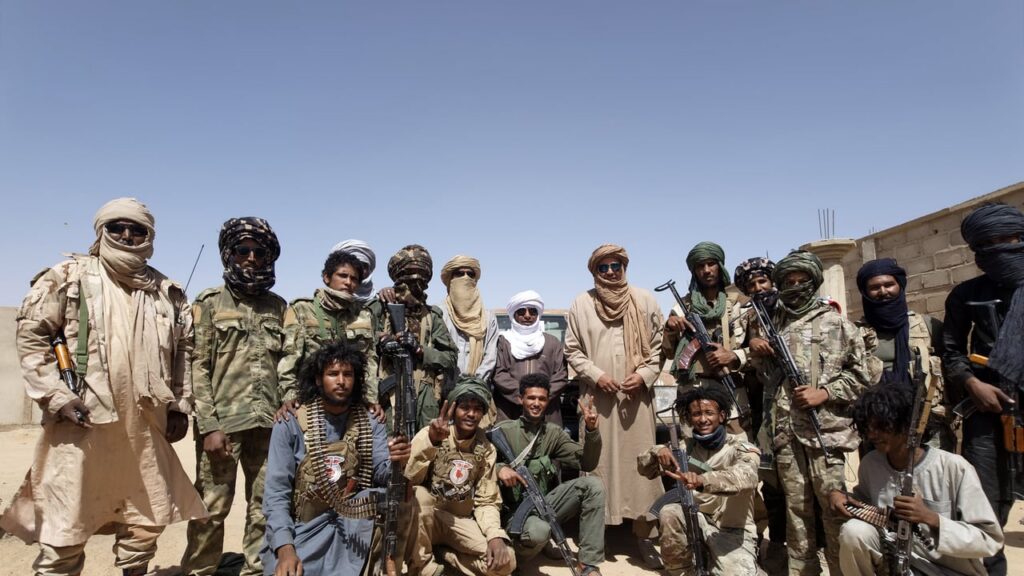

In the heart of Mali’s restless north, the city of Kidal stands as a symbol of enduring resistance. Months after clashes erupted, the region remains a hotspot of instability, with rebel factions maintaining a firm grip on the area. On the ground, the situation reflects a complex web of alliances, where local leaders navigate shifting loyalties against a backdrop of persistent violence.
Kidal’s strategic importance in Mali’s ongoing crisis
The city’s geographical position has long made it a focal point for both armed groups and military operations. Control over Kidal is not merely a matter of territorial dominance; it shapes the balance of power in Mali’s broader conflict. Rebel leaders, including figures from the Front de libération de l’Azawad, continue to assert their influence, while government forces struggle to regain full control.
Observers note that the city’s resilience stems from a combination of local alliances and external support. The Groupe de soutien à l’islam et aux musulmans (JNIM) has been a key player in sustaining rebel operations, leveraging both ideological and logistical networks to maintain pressure on state forces. Meanwhile, the central government in Bamako faces mounting challenges in asserting its authority over the north.
Key players shaping the conflict in Kidal
- Alghabass Ag Intalla: As the leader of the Front de libération de l’Azawad, his presence in Kidal underscores the movement’s determination to challenge state control. His strategic decisions often reflect the broader ambitions of the Azawad independence movement.
- Iyad Ag Ghaly: A prominent figure within the JNIM, his influence extends across northern Mali, where he has become synonymous with the armed rebellion’s resistance against government forces.
- Assimi Goïta: As Mali’s transitional leader, his government’s efforts to stabilize the region have been met with significant hurdles. The president’s commitment to restoring peace remains a central narrative in Mali’s political discourse.
Life in Kidal: resilience amid uncertainty
Residents of Kidal describe a daily existence marked by both defiance and adaptation. Markets operate under the watchful eyes of armed groups, while civilians navigate a landscape where safety is never guaranteed. The city’s infrastructure, once a symbol of progress, now bears the scars of prolonged conflict, with essential services frequently disrupted.
International observers warn that the prolonged instability in Kidal could have far-reaching consequences for Mali’s stability. The humanitarian toll is mounting, with displaced populations struggling to access food, healthcare, and education. Aid organizations report that the situation remains dire, with limited access to affected areas complicating relief efforts.
What lies ahead for Kidal and Mali’s north?
The path forward remains uncertain. While diplomatic efforts continue, the hard realities on the ground suggest that a lasting resolution will require more than just ceasefire agreements. The resilience of rebel factions, coupled with the government’s limited reach, paints a complex picture of a region caught in the grip of protracted conflict.
For now, Kidal stands as a testament to the challenges facing Mali. The city’s future will depend on the interplay between military strategy, political negotiations, and the unwavering determination of its people to survive and resist.