
Morocco is witnessing a fresh dispute between two influential political factions over the role and effectiveness of elections in shaping the nation’s future. The renewed debate has intensified, drawing attention to the contrasting visions held by the Party of Justice and Development (PJD) and the Justice and Spirituality Movement (Al Adl Wal Ihsane).
The latest exchange of arguments highlights deep-rooted ideological differences between the two groups. While the PJD has historically participated in electoral processes, Al Adl Wal Ihsane has long maintained a stance of electoral abstention, questioning the legitimacy of a system it views as incompatible with Islamic principles.
Key arguments fueling the debate
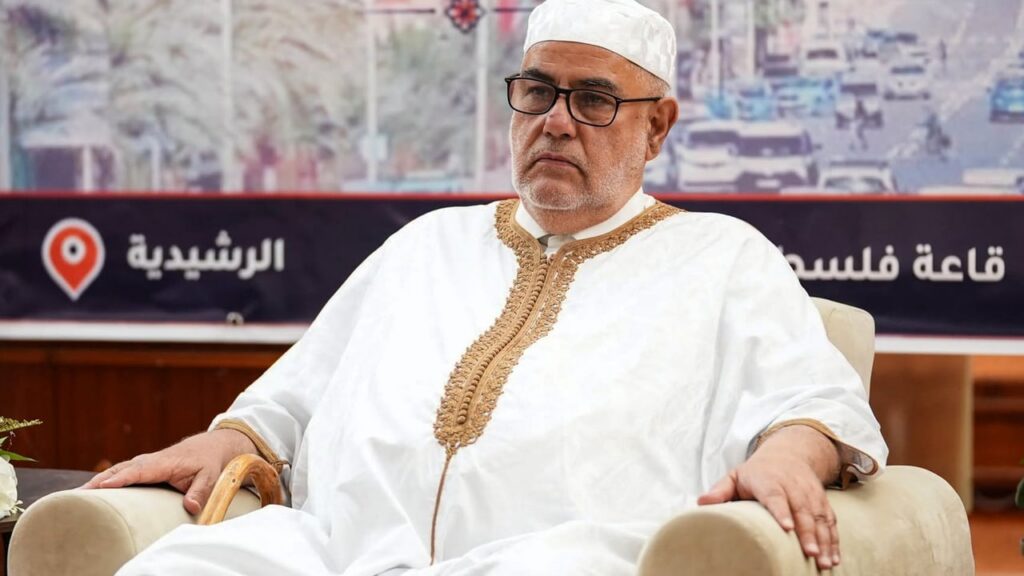
Leaders from both sides have presented sharply contrasting viewpoints. Abdelilah Benkirane, Secretary-General of the PJD, has reiterated the importance of engaging in political institutions to drive reform from within. He argues that elections provide a critical platform for advocating change and influencing policy decisions.
In stark opposition, Al Adl Wal Ihsane’s leadership contends that participating in elections legitimizes a system they believe fails to reflect the true aspirations of the Moroccan people. They argue that elections, as currently structured, serve as a tool for maintaining the status quo rather than fostering genuine transformation.
Impact on Moroccan politics
The ongoing debate reflects broader tensions within Morocco’s political landscape. The PJD, which has played a significant role in the country’s governance, faces pressure to justify its continued participation in electoral politics. Meanwhile, Al Adl Wal Ihsane’s refusal to engage in elections has amplified its influence as a vocal critic of the political establishment, resonating with segments of the population disillusioned with traditional parties.
The clash underscores the complexities of Morocco’s political environment, where religious, ideological, and institutional factors intersect. As the debate unfolds, it remains to be seen how these differing perspectives will shape the future trajectory of Moroccan democracy and governance.