Ivory Coast’s electoral shake-up: a game-changer for investor perceptions and local economies
Côte d’Ivoire is at a crossroads with the introduction of a proposed new electoral body by the RHDP, aimed at addressing long-standing concerns about election integrity. But beyond political implications, what tangible effects could this reform have on the country’s businesses and economic stability? The stakes couldn’t be higher as investors and local entrepreneurs weigh the potential consequences of improved electoral transparency on their operations and growth strategies.
The proposed electoral reforms: what changes and why it matters for businesses
The RHDP’s proposal centers on creating an independent electoral body designed to enhance credibility in the voting process. Key provisions include stricter oversight of voter registration, enhanced transparency in vote counting, and clearer protocols for handling disputes. For businesses operating in Côte d’Ivoire, these changes could mean reduced risks of election-related disruptions that have historically deterred investment and strained economic growth. With elections often accompanied by uncertainty, investors are closely monitoring whether this reform will deliver the stability they demand.
Critical changes under the proposal:
- Independent oversight: A dedicated electoral body, free from government or party interference, to manage all phases of the election process.
- Transparent voter registration: Digitalization and cross-verification systems to eliminate fraud and ensure accurate voter rolls.
- Real-time monitoring: Implementation of advanced technologies like biometric verification and live vote tracking to prevent tampering.
- Clear dispute resolution: Structured processes for addressing irregularities promptly, minimizing delays in declaring results.
These measures are not just political adjustments—they represent a potential lifeline for businesses seeking predictability in one of West Africa’s most dynamic economies.
Economic ripple effects: how stable elections could fuel Ivory Coast’s growth
Côte d’Ivoire has positioned itself as a regional economic hub, but persistent concerns over election credibility have cast a shadow over investor confidence. The country’s reliance on sectors like cocoa, agriculture, and energy makes electoral stability a cornerstone for sustained growth. Businesses across these industries have cited election-related volatility as a top risk factor, often delaying expansion plans or diverting investments to more stable markets.
Analysts suggest that credible elections could:
- Boost investor confidence: Reducing perceived political risk, making Côte d’Ivoire more attractive for foreign direct investment (FDI).
- Stabilize market conditions: Minimizing disruptions in supply chains and financial markets during election periods.
- Enhance credit ratings: Strengthening the country’s financial reputation, potentially lowering borrowing costs for both the government and private sector.
- Encourage long-term planning: Businesses feeling secure in the electoral process can commit to infrastructure projects and workforce expansion.
For example, cocoa exporters—a backbone of the Ivorian economy—have repeatedly highlighted how election uncertainties disrupt trade logistics and pricing. A transparent electoral process could streamline these operations, ensuring smoother transactions and higher revenues.
Local businesses voice concerns and cautious optimism
While the electoral reform is broadly welcomed, local entrepreneurs are divided on its potential impact. Some small and medium-sized enterprises (SMEs) in Abidjan and regional hubs like Bouaké and San-Pédro are cautiously optimistic, citing the need for tangible results to restore faith in the system. Others remain skeptical, pointing to past reforms that failed to deliver lasting change. The consensus, however, is clear: credible elections are non-negotiable for economic progress.
One business leader in Yamoussoukro noted, “We’ve seen promises before, but real change starts with fair elections. If this new body delivers, it could unlock opportunities we’ve been waiting years to seize.”
What’s next for Côte d’Ivoire’s electoral reforms and economic future
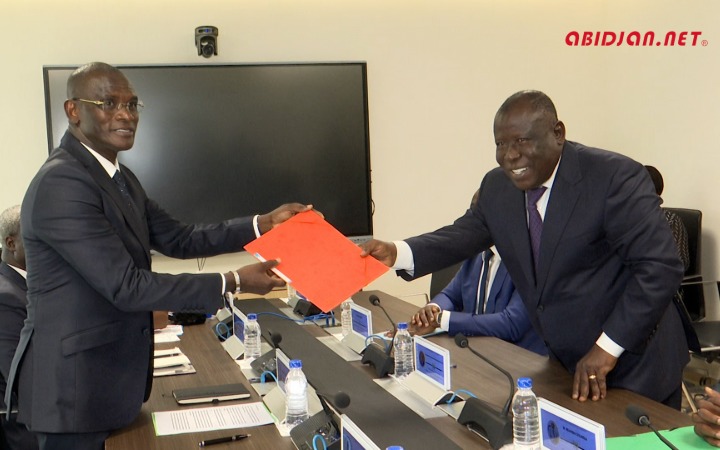
The RHDP’s proposal has been submitted to the Ministry of the Interior, marking a critical step toward implementation. However, the road ahead is fraught with challenges. Political opponents may resist the changes, citing concerns over the body’s independence or the pace of reform. Meanwhile, civil society groups are demanding broader consultations to ensure the reforms reflect public sentiment.
For businesses, the message is clear: Côte d’Ivoire’s economic trajectory hinges on the success of this reform. If delivered effectively, the new electoral body could be the catalyst for a new era of stability, growth, and investor trust. If mishandled, however, the consequences could ripple across the economy, affecting everything from job creation to regional trade relationships.
As the debate unfolds, one question looms large: Will the RHDP’s electoral reform live up to its promises, or will it become another unfulfilled chapter in Côte d’Ivoire’s political history?