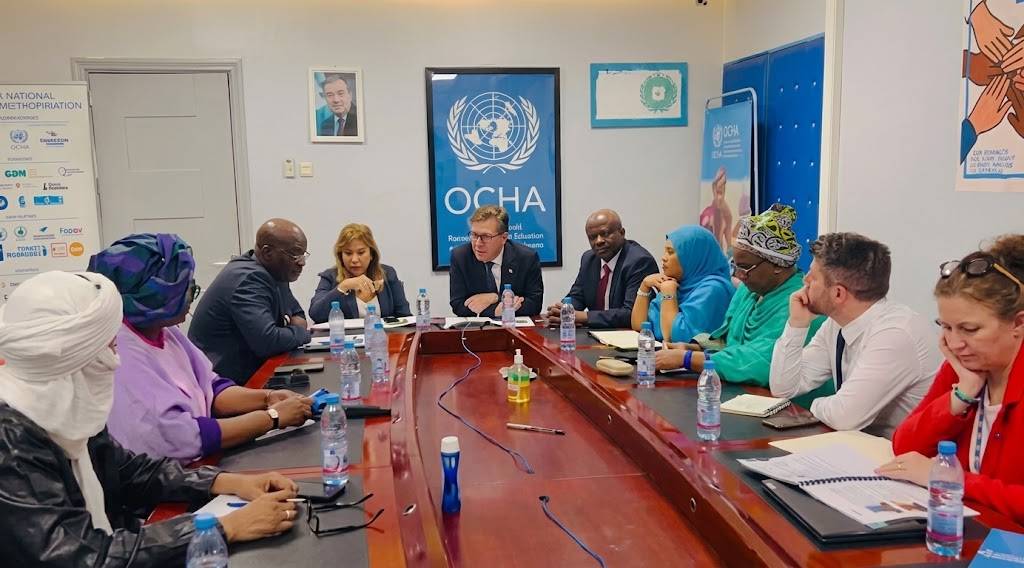
Nations return to Bamako amid worsening humanitarian fallout in Mali
Following a series of policy shifts by Malian authorities that forced several international aid organizations to withdraw, Bamako welcomed a high-level UN delegation led by Tom Fletcher on Monday. The visit coincides with a sharp rise in humanitarian needs, with over 5.1 million Malians projected to require assistance by 2026.
Who is affected and why action cannot wait
The United Nations Humanitarian Response Plan for 2026 estimates that 5.1 million people across Mali will need emergency support next year. Of these, 3.8 million have already been identified for targeted interventions by relief agencies. The gap between total needs and available support highlights the widening humanitarian gap threatening communities nationwide.
The people behind the numbers include internally displaced families, struggling farmers in drought-hit regions, and children in urban areas denied access to basic healthcare and education. Food security, clean water, sanitation, and life-saving medical care remain critical unmet needs. Without immediate scale-up in assistance, millions risk slipping deeper into poverty and vulnerability.
Diplomatic shifts complicate life-saving response
Tom Fletcher, UN Under-Secretary-General for Humanitarian Affairs and Emergency Relief Coordinator, arrived in Bamako as Mali redefines its relationships with international partners. Over recent months, authorities have introduced policies requiring several aid groups to halt operations or leave the country entirely—moves framed as efforts to strengthen national sovereignty and oversight.
The UN delegation’s presence signals a cautious thaw, yet does not imply broader normalization for other suspended organizations. This distinction underscores a delicate balance: Mali’s pursuit of self-determination versus the moral imperative to protect and assist its most at-risk citizens.
Sovereignty vs support: finding common ground to save lives
While diplomatic realignments continue, the core challenge remains humanitarian. Effective aid delivery hinges on coordination among national authorities, UN agencies, and local NGOs—each bringing vital expertise and resources. Without sustained funding, logistics, and access, the 5.1 million people in need face escalating risks from malnutrition, disease, and displacement.
As negotiations unfold in Bamako, the message from the UN is clear: the clock is ticking not just for diplomats, but for millions of Malians whose survival depends on swift, coordinated action.
Key figures at a glance
- Total people in need: 5.1 million
- People targeted for aid: 3.8 million
- Primary needs: food, water, sanitation, healthcare, protection
- Leading cause of displacement: ongoing insecurity and climate shocks





