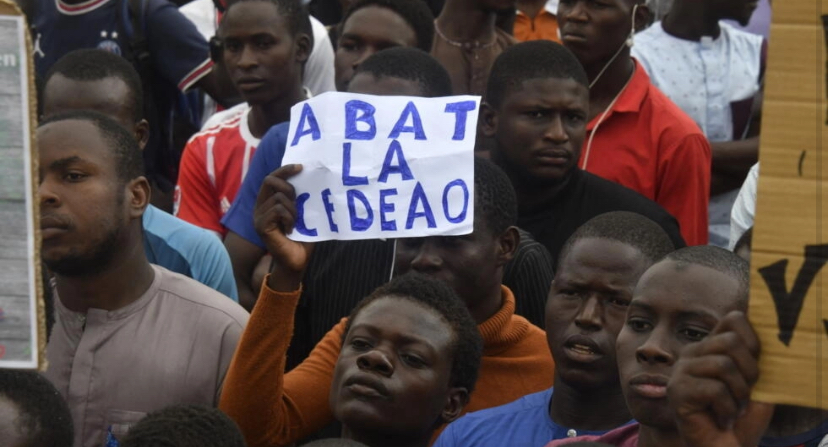
The announcement of Mali, Niger, and Burkina Faso’s withdrawal from the ECOWAS has raised serious questions about the future of human rights protections in these nations. With their departure, citizens in these countries may lose a critical legal recourse—the ECOWAS Court of Justice—which has historically served as a vital mechanism for addressing human rights abuses.
The ECOWAS Court has played a pivotal role in holding governments accountable for violations, offering a pathway to justice for victims when domestic courts fall short. As Ilaria Allegrozzi, a senior researcher at a prominent human rights organization, emphasized, this court has delivered landmark rulings, including a historic 2012 case against Nigeria for oil company abuses and a 2014 decision holding Niger responsible for failing to protect a citizen from slavery.
why the ECOWAS court mattered for human rights
The ECOWAS Court of Justice was more than just a judicial body—it was a lifeline for individuals facing systemic injustices. Unlike many regional courts, it did not require plaintiffs to exhaust all domestic legal options before filing a case, making it far more accessible. This flexibility was crucial in countries like Mali, Niger, and Burkina Faso, where impunity for security forces and state actors remains widespread.
«The court provided a crucial avenue for victims of human rights violations,» Allegrozzi noted. «In regions where national judiciaries often fail to deliver justice, the ECOWAS Court was a beacon of hope.» She highlighted its role in addressing crimes that domestic systems frequently overlook, such as extrajudicial killings, arbitrary detentions, and corporate negligence.
a future without recourse?
With the three nations set to leave ECOWAS, the court’s jurisdiction over their citizens will likely diminish. This shift could leave victims of abuse with fewer legal options, particularly in cases involving state actors or powerful entities that dominate domestic legal systems. The loss of this independent forum raises concerns about the erosion of human rights safeguards in the region.
For now, the full implications of the withdrawal remain uncertain. However, one thing is clear: the departure of Mali, Niger, and Burkina Faso from ECOWAS could significantly weaken the region’s ability to protect fundamental freedoms and hold violators to account.