alleged atrocities by malian forces and dozos in conflict-hit segou region
Nairobi — Mali’s armed forces and allied militias, including the dozos, are facing grave accusations of killing at least 31 civilians and burning homes in two villages in the Ségou region during early October. The incidents, documented by Human Rights Watch, occurred on October 2 and October 13 in villages under the influence of the Group for the Support of Islam and Muslims (GSIM or JNIM), an al-Qaeda-linked group active in central Mali.
The first attack on Kamona on October 2 involved soldiers and dozos—traditional hunters from the Bambara ethnic group—who allegedly executed at least 21 men and set fire to more than 10 homes. Survivors reported that GSIM fighters had warned villagers of the army’s approach, prompting many to flee. Those who remained were allegedly gathered and killed. No clashes between the army and GSIM were reported during the incident.
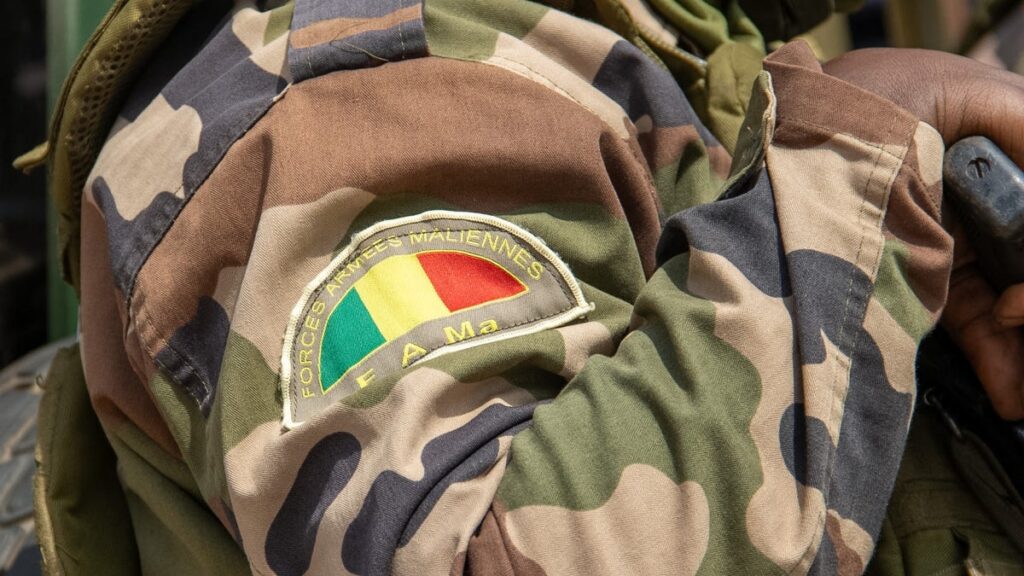
Witnesses identified soldiers by their camouflage uniforms and dozos by traditional attire and amulets around their necks. A survivor recounted, “Those who couldn’t escape were rounded up and executed.” Another villager stated that at least 15 additional men may have been killed in nearby bushland, though confirmation was impossible due to fear of further violence.
On October 13, soldiers and dozos targeted Balle, approximately 55 kilometers from Kamona. At least 10 civilians—including a 55-year-old woman—were killed, and over 100 cattle were stolen. Survivors described soldiers conducting door-to-door searches, beating men, and executing some in cold blood. The body of the woman was reportedly found among nine other male victims, all shot and some with broken limbs.
military denies responsibility amid conflicting claims
The Malian military issued a statement on October 14 claiming a “reconnaissance offensive” near Balle had resulted in the “neutralization of around twenty terrorists” and the seizure of military equipment. However, residents disputed this, stating that Balle has been under GSIM control for years, with villagers paying religious taxes (zakat) to the group and settling disputes through its courts. “The army makes no distinction between us and them,” one resident explained.
Human Rights Watch conducted interviews with 10 individuals, including witnesses and community leaders, in late October. A letter outlining the findings was sent to Mali’s Ministers of Justice and Defense on November 8, but no response had been received at the time of reporting.
escalating violence and humanitarian crisis in Mali
Since 2012, Mali has grappled with an insurgency involving Islamist armed groups, leading to thousands of civilian deaths and displacing over 402,000 people. Human Rights Watch has documented widespread abuses by Malian forces, allied militias, mercenary groups, and armed factions like GSIM. The recent violence in Ségou coincides with a GSIM siege on Bamako, the capital, which has disrupted fuel supplies and forced the closure of schools and universities.
Under international humanitarian law, all parties in the conflict must adhere to the Geneva Conventions, which prohibit attacks on civilians, executions, and cruel treatment. Violations may constitute war crimes, and those responsible—including commanders—could face prosecution. Although Mali withdrew from the International Criminal Court (ICC) in September, it remains bound by the Rome Statute until September 2026. The ICC has investigated alleged war crimes in Mali since 2013.
The African Union (AU) has been criticized for its limited response to the escalating conflict. Human Rights Watch urged the AU’s Peace and Security Council to prioritize Mali, advocating for stronger diplomatic efforts, regional coordination, and accountability for abuses by all parties.
call for accountability and international response
Ilaria Allegrozzi, Senior Sahel Researcher at Human Rights Watch, emphasized the urgency of credible investigations and fair trials for perpetrators. “The massacres in Ségou are among the latest atrocities linked to Malian forces and their allies. Authorities must act swiftly to address impunity and protect civilians,” she stated.
As the conflict intensifies, the international community’s role in ensuring justice and stability in Mali remains critical. The coming months will likely determine whether accountability measures can curb further violence or if civilians will continue to bear the brunt of the crisis.