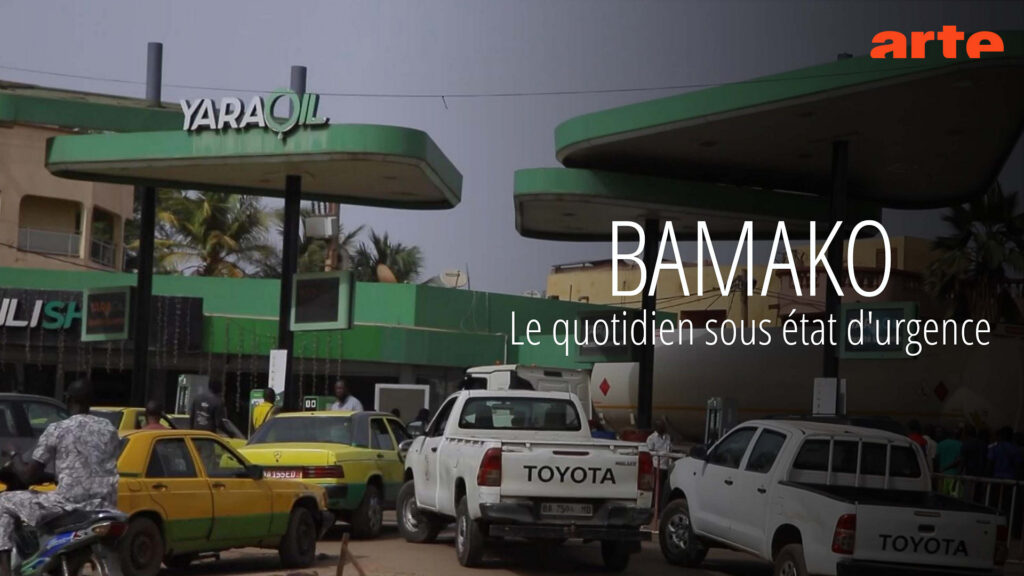
life in Bamako amid ongoing emergency measures
In Bamako, the capital of Mali, residents continue their daily routines despite the persistent state of emergency that has gripped the city. Since armed groups blocked key access routes, residents face growing uncertainty and the threat of potential attacks. Food supplies are dwindling, and the situation is causing widespread concern among locals and foreign observers alike.
how the state of emergency affects daily life
the prolonged emergency has forced residents to adapt quickly. Markets are struggling to maintain regular supply chains, and prices for essential goods have risen sharply. Many families are now rationing food and other necessities, reflecting the strain on local resources. Public gatherings are restricted, and movement within the city is closely monitored, adding to the sense of unease among the population.
security measures and their impact
enhanced security patrols and checkpoints have become a common sight across Bamako. While these measures aim to prevent potential threats, they also contribute to traffic congestion and longer commute times. Residents report feeling a mix of relief and frustration, as the presence of security forces provides a sense of safety but at the cost of daily inconveniences. Businesses, particularly those operating in sectors deemed non-essential, are experiencing significant disruptions.
the humanitarian perspective
aid organizations working in Bamako have raised concerns about the growing humanitarian crisis. With supply lines compromised, delivering food, medicine, and other critical supplies has become increasingly challenging. Humanitarian workers are calling for greater support to ensure that vulnerable populations, including children and the elderly, do not bear the brunt of the crisis. The situation is further complicated by the ongoing political instability and the broader security challenges facing the region.
community resilience and adaptation
despite the challenges, communities in Bamako are showing remarkable resilience. Local initiatives are emerging to support those most affected, with neighbors sharing resources and volunteers stepping up to assist in distribution efforts. Religious and community leaders are playing a pivotal role in maintaining morale and fostering unity. Social networks, both online and offline, are being leveraged to coordinate aid and share information about safety and available resources.
the role of international actors
the international community has also taken note of the situation in Bamako. Several nations have issued advisories urging their citizens to reconsider non-essential travel to the region. Diplomatic efforts are underway to address the root causes of the instability and to find a sustainable solution to the crisis. However, progress remains slow, and the humanitarian situation continues to deteriorate.
while the future remains uncertain, the people of Bamako are determined to persevere. The state of emergency has tested their resolve, but it has not broken their spirit. As the city navigates this difficult period, the resilience and adaptability of its residents stand as a testament to the enduring human capacity to overcome adversity.