Militant groups operating across the Sahel and West Africa have shifted their tactics in 2025, merging previously separate conflict zones into a unified theater of economic warfare. This strategic evolution has created a volatile environment where jihadist factions are challenging state authority while destabilizing regional economies.
Key statistics from the Sahel conflict frontlines
Between January and November 2025, the escalation of violence in the central Sahel has resulted in:
- More than 10,000 fatalities in Burkina Faso, Mali, and Niger due to political violence
- 30 foreign nationals abducted in Mali (22 cases) and Niger (8 cases)
- A 70% surge in fatalities in Benin compared to the same period in 2024, according to ACLED data
Militant strategies targeting economic infrastructure
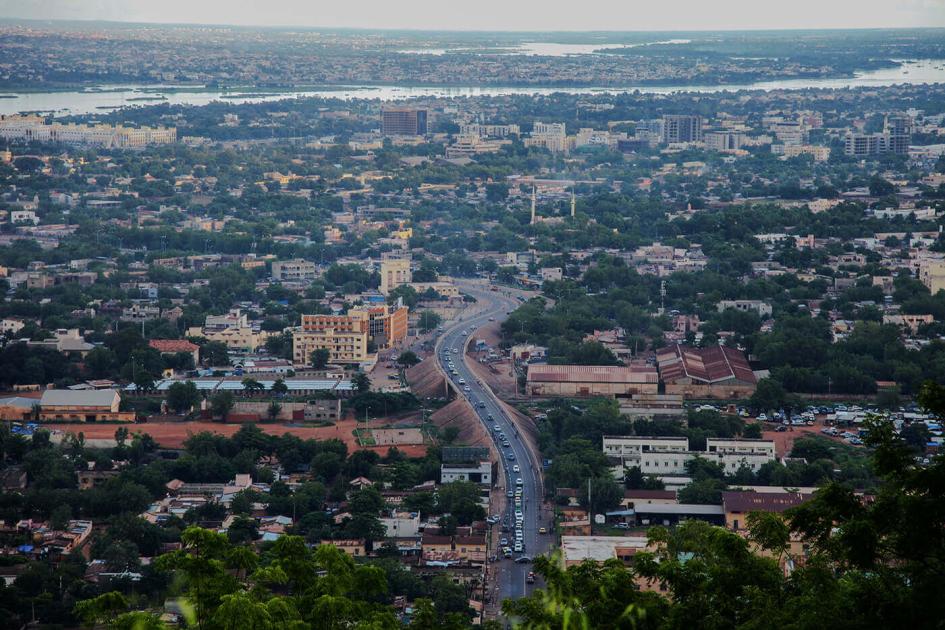
The Jama’at Nusrat al-Islam wal-Muslimin (JNIM) and Islamic State Sahel Province (ISSP) have intensified their campaigns against economic targets in Mali, Burkina Faso, and Niger. JNIM’s coordinated offensives in Kayes, Sikasso, Koulikoro, Segou, and Mopti regions culminated in a strategic fuel and transport embargo affecting Bamako and surrounding areas. This blockade created severe fuel shortages and triggered nationwide price increases, directly undermining the Malian government’s authority.
In Burkina Faso, JNIM demonstrated increased military capability by temporarily seizing provincial capitals like Djibo and Diapaga in May 2025. The group’s September ambush on a military convoy in Soum province resulted in approximately 90 soldier fatalities, marking one of the deadliest attacks on national forces in recent history.
Expansion into coastal West Africa
The conflict front has expanded significantly beyond traditional Sahelian boundaries. JNIM operations in northern Benin reached unprecedented levels in 2025, with over 50 soldier fatalities recorded in Park W during cross-border incursions from eastern Burkina Faso. By mid-year, militant activity had extended southward into Benin’s Borgou department, along the Nigerian border.
ISSP has similarly reinforced its presence in southwestern Niger, advancing toward the Beninese border city of Gaya while maintaining operations in Nigeria’s Sokoto and Kebbi states. The group’s activities include attacks on villages, security installations, and critical infrastructure along the Niger-Nigeria border corridor.
Cross-border militant collaboration emerging
The merging of Sahelian and Nigerian militant theaters represents a significant shift in regional conflict dynamics. JNIM, ISSP, Ansaru, Mahmuda, and Islamic State West Africa Province factions now operate in overlapping border regions from Mali to western Nigeria. This convergence creates conditions for increased group interaction and evolving patterns of violence that could reshape regional security architecture in 2026.
Economic warfare as a tool for state destabilization
Militant groups have effectively weaponized economic disruption to challenge state legitimacy. In Mali, the fuel embargo and transport restrictions have paralyzed commerce between major urban centers and rural communities, exacerbating civilian hardship while eroding public confidence in military governance.
Burkina Faso faces parallel challenges as years of sustained attacks have stretched national security forces to breaking point. JNIM’s temporary capture of major towns demonstrates both the group’s tactical advancement and the state’s diminished capacity to protect regional capitals like Fada N’Gourma.
Niger, while experiencing comparatively lower violence levels, has seen militant activity spread to previously secure southern regions like Dosso and northern Agadez. The October abduction of an American citizen in Niamey underscores the growing reach of militant operations into urban centers.
Regional security implications for 2026
The consolidation of militant influence along the Benin-Niger-Nigeria border corridor creates a critical flashpoint for regional security cooperation. As these groups extend their operational reach, they challenge the capacity of military regimes to maintain territorial control and protect economic lifelines.
Years of sustained conflict have weakened local defense structures, particularly self-defense militias that once supported state counter-insurgency efforts. In Mali, many Dozo militias have either been disarmed or forced into alliances with JNIM, leaving communities dependent on militant-controlled security arrangements for basic services.
Burkina Faso’s Volunteers for the Defense of the Homeland (VDP) has suffered heavy losses while operating in largely defensive roles, limiting the state’s ability to reclaim territory or protect vulnerable populations.
International partnerships and evolving security dynamics
Russia’s military cooperation with Sahelian states through the Africa Corps has provided limited support, particularly in securing fuel convoys and critical supply routes in southern Mali. However, the restricted scope of this partnership has been insufficient to prevent militant advances across broader territories.
The combination of sustained militant pressure, weakened local defense structures, and declining state legitimacy creates conditions for potential political destabilization. If current trends persist, 2026 may witness deeper fragmentation in the central Sahel and along its southern borders, with potential domino effects impacting neighboring regimes.