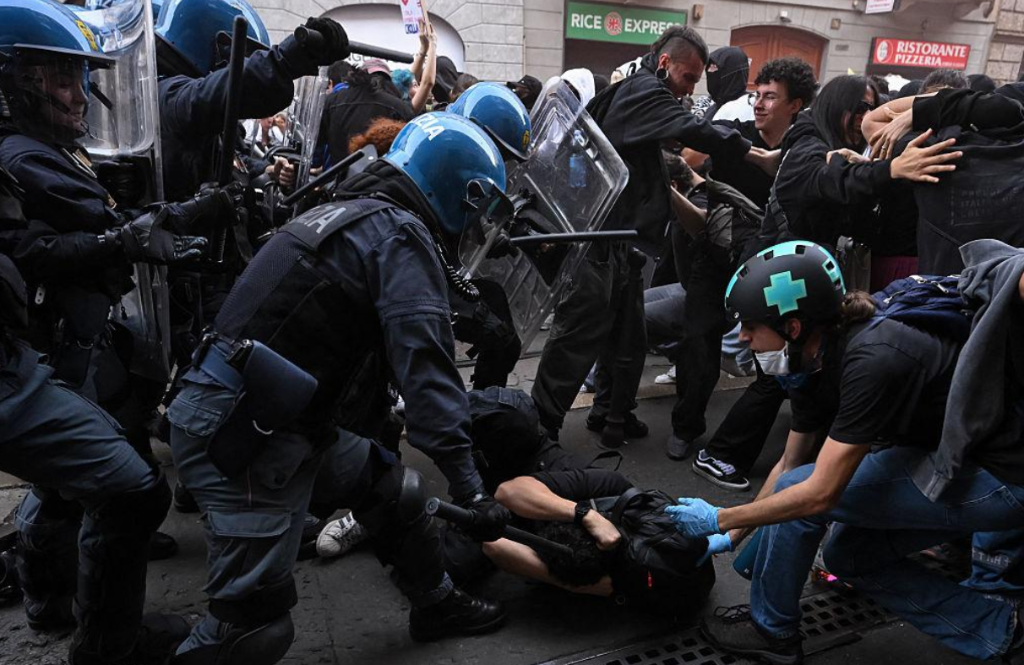
Italy’s escalating crackdown on urban violence isn’t just reshaping public order—it’s reshaping daily life. After a weekend of riots, looting, and clashes with police in Milan and other northern cities, Prime Minister Giorgia Meloni’s government has pushed through sweeping new measures aimed at restoring stability. But as arrests mount and fines pile up, the real-world consequences are hitting families, small businesses, and even the fundamental right to protest.
On October 20, 2026, the Italian cabinet approved a tough new decree targeting collective violence, requiring financial responsibility from parents, and expanding the use of preventive detention. The government frames it as a necessary response to what it calls an unprecedented wave of urban chaos. Critics warn, however, that the heavy-handed approach risks undermining civil liberties while failing to address the deeper causes of unrest.
From Milan to the courts: what the new security decree changes
The emergency law introduces several key changes designed to curb violence during protests and public gatherings. One of the most controversial provisions is the creation of a new criminal offense for group-based violence.
Participating in a group of at least five people that endangers public safety can now lead to up to five years in prison and fines of up to €20,000. Penalties are increased when protesters mask their identities or when injuries occur. Organizers—even those operating online—could face four to twelve years behind bars, targeting not just those on the streets but also those facilitating unrest through digital platforms.
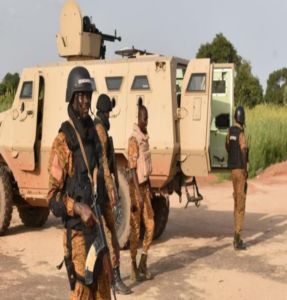
In Milan, the political and social ground zero of the recent unrest, the crackdown is already visible. The government has deployed 500 additional military personnel under Opération Strade Sicure to reinforce surveillance and support local security forces through the end of the year. The move comes after vandalized storefronts, looted shops, and direct attacks on police officers during demonstrations that were, in some cases, fueled by anger over rising living costs, energy prices, and housing shortages.
Families and minors in the crosshairs of legal responsibility
The decree doesn’t stop at punishing participants. It also tightens legal responsibility for parents and extends detention powers for minors.
Parents of minors over 14 involved in riots can now be held financially liable for damages, with authorities empowered to seek compensation for broken windows, stolen goods, and destroyed property. The government argues this will deter repeat offenses and strengthen parental oversight. But legal experts and advocates question whether such measures are equitable—especially when applied to families already struggling with economic hardship.
For adolescents aged 14 to 17, the law lowers the threshold for preventive detention. Authorities can detain minors if there is reasonable suspicion they pose a threat to public safety—even before any trial. The policy reflects a broader shift toward preemptive justice, but it raises concerns about due process and the rights of young people in a system increasingly focused on punishment over rehabilitation.
Economic fallout: who pays for public order?
While the government insists the measures are essential to protect businesses and citizens, the short-term impact tells a different story.
Small shop owners in Milan’s city center have reported both direct losses from looting and indirect ones from increased security costs and reduced foot traffic during ongoing tensions. Insurance companies are reviewing coverage options for commercial properties in high-risk areas, and some landlords are raising rents to offset rising security expenses—adding to the already heavy burden on local entrepreneurs.
The financial strain extends to local governments as well. Municipal budgets are being redirected toward policing and infrastructure repairs, leaving less funding for social services, public housing, and youth programs that could help prevent future unrest. In a region already grappling with inflation and energy poverty, the new security spending only deepens fiscal stress.
Security vs. freedoms: a debate that won’t fade
This is not Italy’s first tough-on-crime law in recent years. Since 2022, the Meloni government has championed a series of security decrees, each expanding police powers and tightening punishments. But this latest package has drawn the sharpest backlash yet.
Police unions and civil rights organizations warn that preventive detention, increased surveillance, and harsher penalties risk creating a climate of fear—one that could chill legitimate protest and erode public trust in institutions. The decree’s immediate enforcement bypasses full parliamentary debate, raising constitutional concerns about democratic oversight.Critics point to the paradox: a government that claims to defend public order may inadvertently fuel unrest by ignoring its root causes. High unemployment, unaffordable housing, and shrinking social services continue to fuel frustration among young people, many of whom feel abandoned by the political system. A purely punitive approach, they argue, treats the symptoms rather than the disease.
What happens next?
The decree is now in effect, but its long-term fate depends on parliamentary approval within 60 days. Even if it becomes law, questions remain about its effectiveness and proportionality. Will the threat of prison time and financial penalties truly deter violence—or will they drive it underground, making it harder to monitor and respond to? Can a more secure Italy exist without compromising the right to dissent?
As the first wave of arrests and fines unfolds, one thing is clear: the cost of public order is being measured in more than just euros. It’s being counted in lost trust, in strained families, and in a society left to reconcile security with justice.
What you need to know about Italy’s new security law
- Group violence: Joining a group of five or more in violent actions can lead to up to five years in prison and €20,000 in fines.
- Parent liability: Parents of minors involved in riots may be held financially responsible for damages caused by their children.
- Minor detention: Teens aged 14–17 can face preventive detention if authorities believe they pose a threat to public safety.
- Milan under watch: 500 additional military personnel have been deployed to enhance security in the city through year-end.
- Parliamentary review: The law must be ratified by Parliament within 60 days to remain in force.