The latest jihadist attacks in Burkina Faso have not only inflicted military losses but are also crippling local economies and displacing thousands of civilians. The Group to Support Islam and Muslims (JNIM), linked to Al-Qaeda in the Sahel, has claimed responsibility for two separate incidents—one involving the destruction of an armored vehicle near Fada N’Gourma and another resulting in the deaths of three civilian defense volunteers in the Bam province. These attacks underscore the far-reaching consequences of the ongoing insurgency beyond battlefield confrontations.
Jihadist offensive targets military assets and civilian support networks
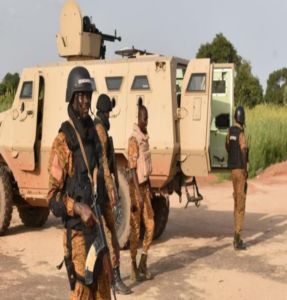
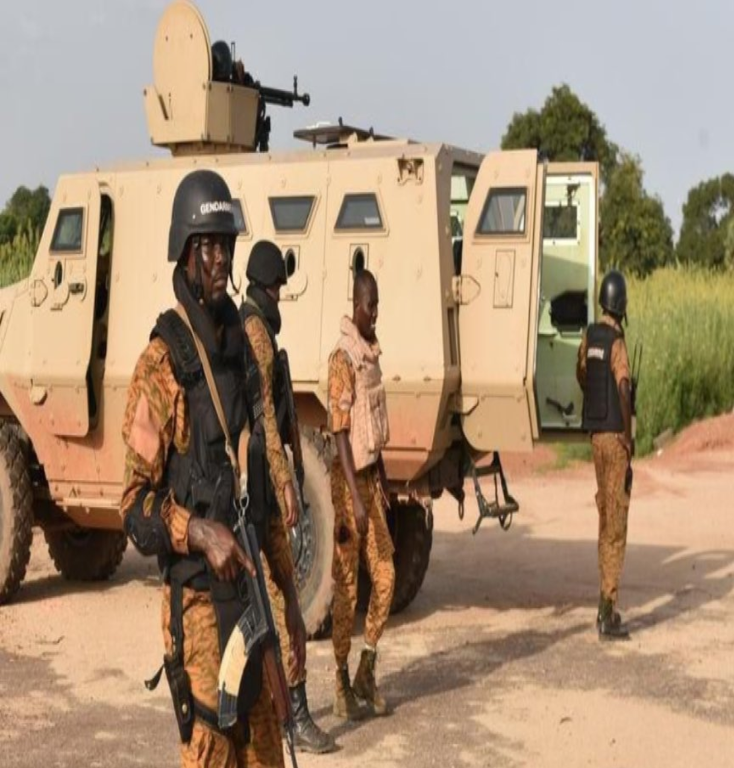
The JNIM’s claims reveal a dual strategy: targeting military hardware to weaken state forces while striking civilian auxiliaries whose role is critical to local security. Near Fada N’Gourma, in the eastern region, the group asserts it destroyed an armored vehicle using an improvised explosive device (IED). This area, a key transit hub, has become a flashpoint where military convoys and supply lines are frequently disrupted, exacerbating operational challenges for security forces.
The use of IEDs represents one of the most persistent threats in Burkina Faso’s conflict zones. These devices not only cause material damage but also instill fear in communities along major routes, forcing civilians to alter their daily routines and businesses to suspend operations. While the extent of the damage remains unverified, the psychological and logistical toll on both military and civilian life is undeniable.
Civilian defense volunteers bear the brunt of violence
In the Bam province, JNIM reported killing three members of the Volunteers for the Defense of the Homeland (VDP), a civilian militia supporting the national armed forces. The group also claimed to have seized automatic weapons during the attack. Such incidents highlight the vulnerability of civilian volunteers who, despite limited training and equipment, play a vital role in patrolling and securing remote areas.
The loss of firearms, if confirmed, could further destabilize local security dynamics, as captured weapons often re-enter circulation within armed groups. While the specifics of the attack remain unclear, the broader impact on community morale and trust in security structures is significant. Families of the VDP members live under constant threat, and their participation in counterinsurgency efforts places them directly in harm’s way.
Economic paralysis grips conflict-hit regions
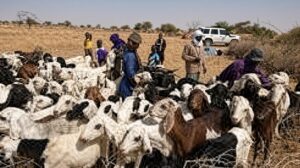
The insurgency’s spread has left entire provinces in economic disarray. Roads once bustling with trade are now high-risk zones, forcing merchants to reduce operations or relocate. Markets in affected areas report sharp declines in activity, as farmers struggle to transport crops and traders avoid traveling to conflict zones. The agricultural sector, a cornerstone of Burkina Faso’s economy, is particularly hard-hit, with some regions facing food shortages due to disrupted harvests and blocked supply chains.
Schools have closed in several localities, denying thousands of children an education, while healthcare facilities report reduced access to medical supplies. The humanitarian fallout is compounded by the displacement of over a million people, many of whom live in temporary shelters with limited access to clean water and sanitation. The erosion of basic services not only deepens poverty but also fuels resentment toward both the state and insurgent groups.
Government under pressure to restore stability and confidence
For Burkina Faso’s authorities, the challenge is twofold: countering the insurgency militarily and addressing the humanitarian and economic crises it has provoked. Military operations alone cannot resolve the conflict, as the insurgents exploit gaps in intelligence, terrain knowledge, and community trust. Efforts to re-establish state presence in abandoned areas hinge on restoring security, rebuilding infrastructure, and fostering dialogue with local leaders.
Yet, progress is slow. Recent attacks serve as a grim reminder that the conflict shows no signs of abating. Without sustained action to protect civilians, revive local economies, and reintegrate displaced populations, the cycle of violence and instability is likely to persist. For the people of Burkina Faso, the question is no longer just about defeating the insurgents—but about restoring a sense of normalcy in a country that has been at war for years.