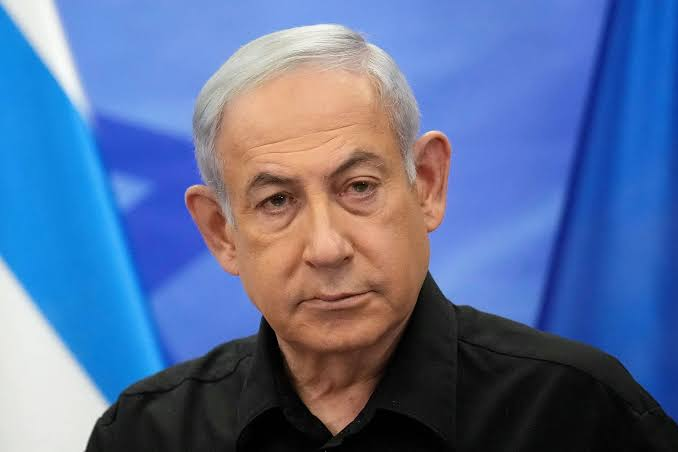
Israel is grappling with an unprecedented institutional crisis following a historic legislative election that has dramatically reshaped the political landscape. The results have officially stripped the coalition led by Prime Minister Benjamin Netanyahu of its absolute majority in the Knesset, plunging the nation into a period of political gridlock and deep societal unrest.
Netanyahu’s coalition crumbles: a crushing defeat at the ballot box
The final vote count, certified by the Central Elections Commission, reveals stark realities for the outgoing government. The right-wing alliance, including ultranationalist and religious parties, suffered a decisive setback, failing to secure the 61-seat threshold required to maintain a governing majority:
- Loss of parliamentary control: The Likud-led coalition can no longer guarantee stable governance, leaving critical decisions in limbo.
- Opposition surge: Centrist factions and opposition leaders, including figures like Gadi Eisenkot and Yair Lapid, have gained significant ground, further shrinking Netanyahu’s room to maneuver.
- Arabs vote bloc impact: Historically high voter turnout in Arab communities and the strong performance of their representatives have tilted the balance, denying Netanyahu the decisive edge needed to regain control.
Fraud allegations fuel political fire
In the aftermath of the election, Netanyahu has launched a fierce attack on the electoral process, alleging widespread irregularities. He has specifically targeted precincts with high Arab voter participation, questioning the validity of thousands of ballots and suggesting systemic fraud.
The opposition has swiftly condemned his rhetoric, framing it as an attempt to undermine democracy:
« By challenging the electoral outcome whenever the results don’t align with his interests, Netanyahu is attempting to stage a coup against Israel’s democratic institutions. His actions threaten not only the transition of power but the very foundation of our governance,»
Uncertain future: negotiations or new elections?
Despite the Central Elections Commission’s repeated assurances of the election’s integrity, the lack of a clear majority has left Israel in uncharted waters. With tensions escalating, two stark paths lie ahead:
- Coalition limbo: Fragile negotiations could drag on for weeks or months, culminating in a fragile, unstable government.
- Snap elections: The prospect of another round of voting looms, adding to the exhaustion of a nation already battered by recurrent political upheavals.
The crisis underscores the fragility of Israel’s political system and raises pressing questions about the country’s ability to navigate this turmoil without further destabilizing its institutions.





