Paraguay’s financial crisis deepens as Ueno Bank collapse triggers nationwide panic
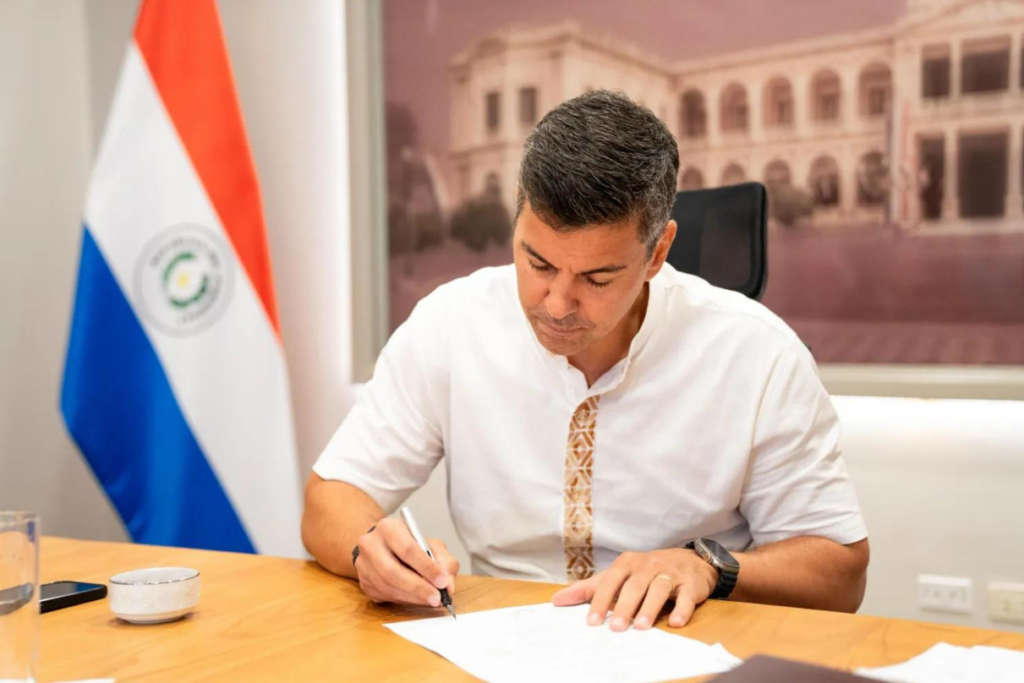
The resignation of President Santiago Peña has plunged Paraguay into uncharted political and economic waters following the catastrophic collapse of Ueno Bank, leaving nearly half the nation’s population without access to their savings and triggering mass protests in Asunción.
The embattled leader announced his departure just hours before lawmakers were set to vote on his impeachment, capping weeks of escalating turmoil that exposed systemic failures in the country’s financial oversight and governance.
How a local banking failure spiraled into a national emergency
The crisis erupted when Paraguay’s central bank intervened to suspend operations at Ueno Bank, a financial giant serving nearly three million Paraguayans—half the country’s population. Regulators discovered the institution’s solvency had plummeted below the mandatory 50% threshold, rendering it unable to meet deposit obligations or process transactions.
What began as a technical banking issue quickly became a full-blown catastrophe. Retirees, wage earners, and small business owners found themselves locked out of their accounts. Worse still, the bank managed critical public funds, including social security and pension disbursements, trapping hundreds of millions in frozen assets.
Protesters took to the streets, waving account statements and demanding repayment as confidence in the country’s financial system evaporated. The scenes in Asunción mirrored scenes of financial panic—not seen in Paraguay since the 1990s crisis.
From banking scandal to political earthquake: the role of leadership failures
The collapse of Ueno Bank has raised serious questions about the integrity of Paraguay’s leadership. Opposition leaders have sharply criticized President Peña over his past financial ties to the bank’s controlling group. Though he divested his shares in 2025, reports suggest close professional relationships persisted, calling into question whether public funds were exposed to undue risk.
Allegations of favoritism and weakened oversight have intensified, compounded by the resignation of Carlos Carvallo, the central bank governor—formerly a senior executive at Ueno Bank. His leadership during the crisis has drawn scrutiny, fuelling demands for greater transparency across regulatory bodies.
Impeachment vote looms as political support collapses
>Within days, Peña’s support base in the ruling Coloradist Party crumbled. Party heavyweights withdrew backing, leaving the president politically isolated. On the eve of his resignation, lawmakers from opposition parties filed impeachment charges against Peña and Vice President Pedro Alliana, accusing them of gross mismanagement and failure to protect public funds.
The lower house voted to approve impeachment proceedings just minutes after Peña announced his resignation, signaling the final breakdown of institutional trust. The Senate is now expected to review the case, though succession remains uncertain in a deeply divided political climate.
Pedro Alliana inherits a crisis of trust and liquidity
With the presidency now vacant, Pedro Alliana assumes office at a moment of extreme vulnerability. His immediate priorities include restoring access to frozen deposits, guaranteeing the safety of pension funds, and launching an independent investigation into Ueno Bank’s collapse.
Government officials have pledged accelerated payouts to small savers and vowed to hold executives accountable. Yet public skepticism runs deep. After decades portraying Paraguay as a model of economic stability and investor confidence, the Ueno Bank disaster has shattered that reputation overnight.
Analysts warn the fallout could extend far beyond finance. The loss of public savings, the erosion of trust in institutions, and the political vacuum left by Peña’s resignation may reshape Paraguay’s social and economic landscape for years to come.
One fact is undeniable: what began as a banking failure has become the greatest governance crisis in modern Paraguayan history.
What’s next for Paraguay’s economy and democracy?
The coming weeks will determine whether the country can stabilize its financial system and restore public confidence. Pending investigations, regulatory reforms, and judicial accountability will all play a role in shaping the recovery.
But beyond immediate measures, Paraguay faces a deeper reckoning: how to rebuild a financial and political system that millions of citizens no longer trust. The collapse of Ueno Bank may mark the end of an era—and the start of a new, uncertain chapter for the nation.





