Libreville, October 2026 — Gabon is placing a bold bet on an invisible yet critical resource: the skills of its young people. In a watershed moment, President Brice Clotaire Oligui Nguema championed a new national priority on October 2 that could reshape the country’s economic landscape for decades.
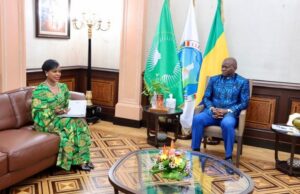
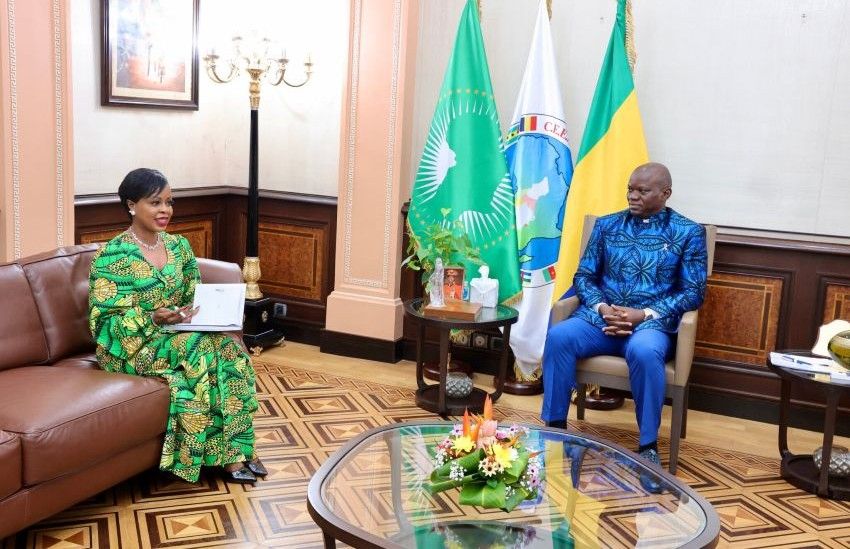
The president’s meeting with Minister of Commerce, SMEs, and SMIs Zenaba Gninga Chaning signaled more than just government endorsement — it marked the launch of a strategic shift. Gabon is now training 400 young people in Libreville, with plans to expand the program across all nine provinces. This initiative isn’t just about employment. It’s about building an economy that doesn’t just survive, but thrives on homegrown talent.
From training to transformation: closing the skills gap that stifles growth
Gabon’s approach is breaking from tradition. Instead of measuring success by diplomas awarded, this model prioritizes real-world impact: jobs created, businesses launched, and value generated within local communities.
But why 400 now? And why this focus?
The answer lies in a harsh economic reality: Gabon’s growth has been hamstrung by a shortage of skilled professionals. From oil rig engineers to digital entrepreneurs, local companies have struggled to find qualified workers to operate equipment, manage projects, and scale operations. Reliance on foreign labor isn’t sustainable — and often drains resources. The new training program is designed to bridge that gap, turning labor dependency into self-reliance.
Supported by a triad of training, mentorship, and financing, the program ensures young graduates don’t just gain certificates — they gain a path to sustainable livelihoods. Access to seed capital, technical support, and business incubation turns skills into income and ideas into enterprises. This model is already proving effective in other African nations, where youth unemployment is high, but entrepreneurship thrives when opportunity and support align.
A blueprint for economic sovereignty: producing with local talent
This initiative isn’t about lip service to youth employment. It’s a declaration that Gabon’s economic future will be written by its own people.
Consider the sectors Gabon is betting on: oil and gas, renewable energy, digital technology, infrastructure, and agro-processing. Each requires skilled technicians, engineers, and managers — positions often filled by expatriates. By training 400 youth in these fields, Gabon isn’t just plugging a skills gap — it’s investing in long-term capacity.
The signal was clear earlier this year when the president emphasized vocational training in energy and petroleum at the Port-Gentil Institute of Oil and Gas. The message was simple: Gabon doesn’t just need foreign experts — it needs Gabonese experts. Reducing dependence on overseas training sends a strong message about building a homegrown talent pipeline, one that can innovate, adapt, and lead.
The real test begins after graduation
The 400 trainees in Libreville are only the beginning. The real challenge? Scaling the model equitably across the country.
In a nation where economic opportunities are often concentrated in the capital, spreading training to inland provinces is crucial. Each region has unique needs — oil-rich Port-Gentil, agricultural Haut-Ogooué, or mining-rich Woleu-Ntem. The program must adapt to local realities: training fishermen in coastal communities, solar technicians in rural areas, or data analysts in digital hubs. This isn’t just workforce development — it’s regional development in action.
The success of this initiative will be measured not by the number of diplomas issued, but by the number of jobs created, businesses sustained, and value retained within Gabon. Will young trainees secure jobs in national companies? Launch their own startups? Contribute to local supply chains? Will national PMEs (small and medium enterprises) grow because they now have access to qualified workers? These are the questions that will determine whether this is a turning point — or just another training program.
Skills as infrastructure: the silent foundation of every economy
Gabon’s leaders are betting on a powerful truth: no road, bridge, or oil field creates lasting value without skilled workers to design, build, operate, and improve it. Roads connect cities; energy powers factories; ports enable trade. But humans operate and maintain them all.
By positioning human capital as a strategic infrastructure — alongside physical assets — Gabon is acknowledging a modern economic principle: sustainable growth is powered by people, not just machinery.
The 400 young Gabonese now entering training aren’t just students. They’re potential drivers of a new economic era — one where job creation, innovation, and self-sufficiency aren’t wishful thinking, but achievable goals. If this program succeeds, Gabon won’t just have more trained workers. It will have an economy built and run by its own citizens.
That’s not just training. That’s nation-building.