Algeria’s new commercial offensive puts Niger’s producers on high alert
On a chilly November morning in 2026, twenty-five massive cargo trucks rolled out of Algeria’s Adrar province, laden with 1,050 tons of goods bound for Niger. The shipment—packed with dates, detergents, packaging materials, and salt—marks the latest escalation in Algeria’s strategic push to expand its non-oil exports into neighboring African markets. For Niger, a landlocked country heavily reliant on cross-border trade, the arrival of these goods raises urgent questions: can local producers survive the surge of cheaper, more accessible imports?
The caravan, coordinated by nine Algerian economic operators, arrives as part of a broader national export drive. Authorities in Algiers are clearly prioritizing trade diversification, aiming to turn geographical proximity into commercial dominance. But for Niger’s farmers, manufacturers, and policymakers, the timing couldn’t be worse. Many industries are already struggling to compete, and this new wave of imports could tip the balance from fragile resilience to outright collapse.
Dates from Kawar under threat as imported competition grows
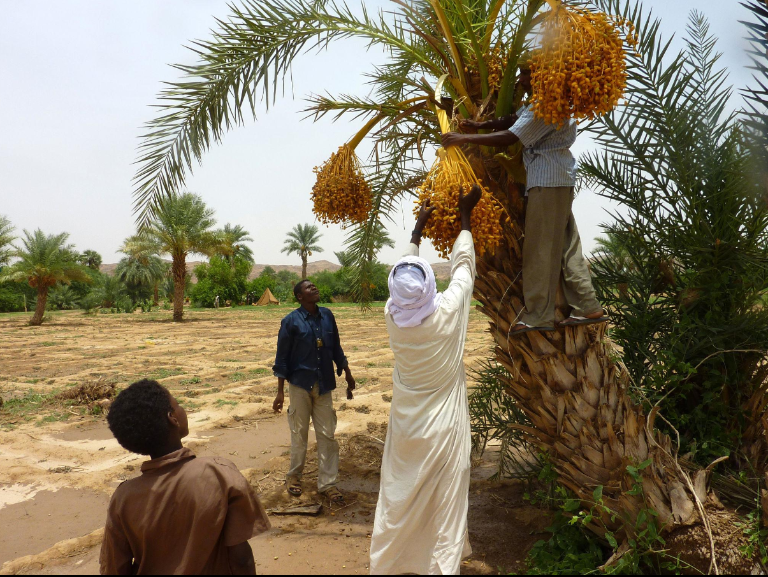
Nowhere is the tension more visible than in the date palm groves of Kawar—a historic oasis region in eastern Niger that stretches across Bilma, Fachi, Dirkou, and Djado. For generations, families here have nurtured varieties of dates unique to the Sahara, each with distinct flavors and uses. Yet despite rich heritage and cultural significance, the local date industry faces crippling challenges: low yields, scarce water resources, exorbitant transport costs, and inadequate storage and processing infrastructure.
Competition from neighboring Algeria and Libya has already eroded demand for Kawar dates. The arrival of large-scale Algerian date shipments—like the one dispatched from Adrar—could further squeeze local growers. When imported dates are cheaper, more consistently available, and packaged more attractively, traders and consumers often opt for the imported product, leaving local harvests unsold. The risk isn’t just economic: it’s the slow erosion of livelihoods tied to a millennia-old tradition.
From shelves to crisis: how imported goods reshape local markets
The threat extends beyond agriculture. Algerian detergents and packaging products—cheaper due to economies of scale in production and subsidies—now flood stalls across Niger. Small and medium-sized manufacturing plants, already grappling with high raw material costs, unreliable supply chains, and poor infrastructure, are finding themselves outmatched. Some have already shut down. Others teeter on the brink, unable to match the pricing or volume of foreign goods.
While lower prices benefit consumers in the short term, they come at a cost. Reduced market share means fewer orders, lower revenues, and stalled investment in equipment and training. Over time, the decline of local industries could lead to job losses, reduced tax revenues, and weakened economic resilience—especially in regions already struggling with poverty and unemployment.
Government reactions: quality control steps up, but is it enough?
Faced with growing pressure, Niger’s Ministry of Trade and Industry took action in mid-2026. On August 1st, a nationwide inspection program was launched to vet imported goods for quality, safety, and compliance with technical standards. The goal: protect consumers from substandard or hazardous products while ensuring fair competition.
But inspection alone won’t restore competitiveness. To survive—and thrive—local producers need more: access to finance, modern processing technology, improved irrigation, reliable energy, and stronger market access. Without these, even well-intentioned regulations can’t level the playing field. The government’s challenge is to foster an environment where imported goods meet demand without suffocating domestic industry.
Can trade be a bridge, not a barrier, between Algeria and Niger?
There’s no denying the benefits of expanded trade. For a landlocked nation like Niger, access to diverse goods can reduce supply bottlenecks, stabilize prices, and improve living standards. But trade should be a two-way street. A sustainable partnership should encourage investment, technology transfer, and joint ventures—not just the one-way flow of finished goods.
If Algeria’s exports continue to outpace local production without reciprocal opportunities, Niger risks becoming a consumer market for its neighbors rather than a producer in its own right. The outcome could weaken industrialization, delay job creation, and limit economic sovereignty. The real question isn’t whether imports should enter Niger, but how both countries can structure trade to build shared prosperity without sacrificing local industries.
In the end, the 1,050-ton shipment from Adrar is more than a logistical milestone—it’s a mirror reflecting the choices ahead. For Niger, the decision is clear: adapt and invest, or watch its economic fabric unravel under the weight of unchecked competition.





