Gabon and France set to redefine strategic partnership during Paris visit
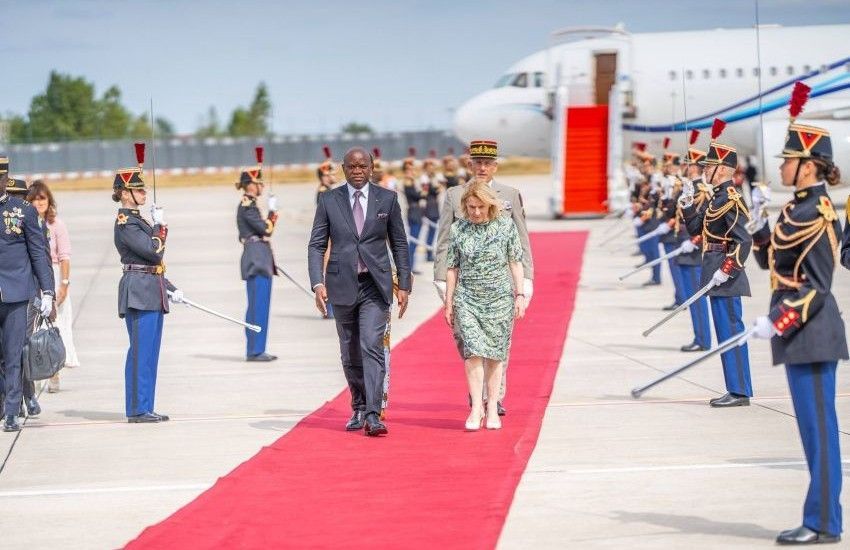
Libreville, July 20, 2026 — The three-day state visit of Gabonese President Brice Clotaire Oligui Nguema to France marks more than a diplomatic courtesy; it represents a strategic recalibration of bilateral relations between the two nations.
Beyond ceremonial honors, military parades, and the Élysée Palace state dinner, this visit underscores a deliberate effort to redefine the partnership between Libreville and Paris. Economic cooperation, industrial sovereignty, security, diplomacy, and engagement with the diaspora form the core pillars of an agenda poised to shape the future of Franco-Gabonese relations.
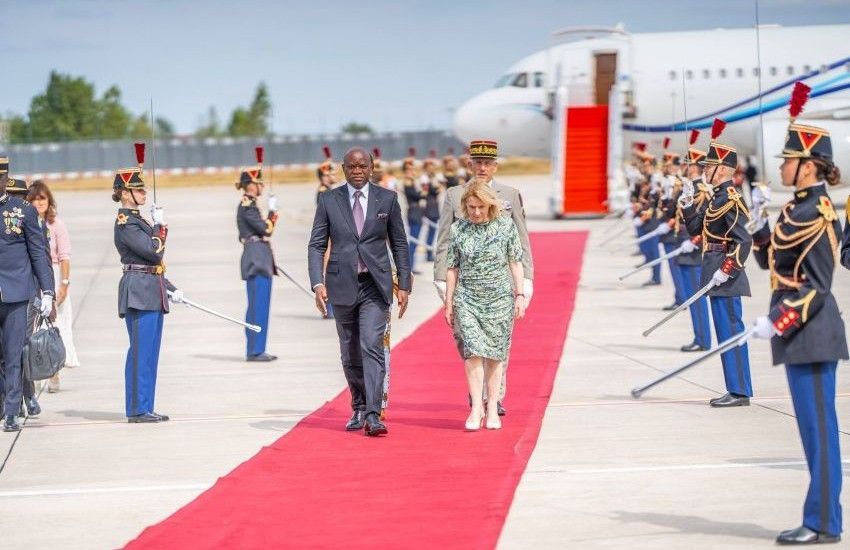
The significance of this moment cannot be overstated. For the first time since assuming office, President Oligui Nguema is welcomed in France for a state visit—the highest level of diplomatic protocol. This decision reflects the shared determination of both capitals to inaugurate a new chapter in their relationship, particularly amid shifting African geopolitical dynamics and France’s evolving approach to its presence on the continent.
Announced in June by the Gabonese head of state, this visit transcends symbolic gestures. The accompanying delegation, comprising political leaders, business figures, and media representatives, signals a commitment to elevating the trip beyond mere protocol into a platform for economic, institutional, and strategic advancement.
Three days to reshape a partnership
The agenda begins with a symbolic stop at the Palace of Versailles, followed by military honors at Les Invalides and a private meeting between President Oligui Nguema and Emmanuel Macron at the Élysée Palace—the diplomatic highlight of the visit.
Key discussions will focus on ongoing initiatives from President Macron’s November visit to Libreville, including the signing of fresh bilateral agreements. Critical topics include Gabon’s economic transformation, infrastructure modernization, industrial development, investment enhancement, and defense cooperation upgrades.
Libreville is particularly seeking the transfer of the De Gaulle camp’s land title to develop a national training center for its defense and security forces—an emblematic project in its modernization drive.
The second day includes a poignant memorial sequence: a wreath-laying at the Arc de Triomphe and a visit to Mont-Valérien, a historic site tied to French Resistance fighters, including many African soldiers during World War II. This moment underscores the deep historical ties binding the two nations.
Diplomacy driven by economics and citizens
Institutional engagements extend to meetings with French Senate President Gérard Larcher and Paris Mayor Emmanuel Grégoire, alongside a tour of the restored Notre-Dame Cathedral—showcasing the cultural dimension of the visit.
A highly anticipated highlight remains the dialogue with the Gabonese diaspora in France. Authorities aim to foster an open exchange, even with critical voices, as recent decisions have sparked debates within the community. This interaction tests the government’s ability to maintain direct engagement with citizens abroad, positioning expatriates as active participants in bilateral relations.
This inclusive approach reflects a modernized vision of diplomacy, where overseas nationals play a pivotal role in strengthening ties.
From words to action
The true measure of this visit’s success lies not in its ceremonial grandeur but in the tangible outcomes of the agreements signed. The significance of these three days in Paris will ultimately hinge on whether the commitments translate into concrete benefits for both populations.
For Gabon, the visit offers a chance to accelerate the implementation of its Fifth Republic agenda: securing partnerships to boost industrialization, infrastructure, human capital development, and economic diversification.
For France, it sends a clear message across Africa—a signal that its relations with the continent are evolving toward a model rooted in dialogue, investment, and mutual interests.
As the visit concludes after 72 hours in Paris, history will judge not the splendor of the ceremonies, but the ability of both leaders to lay the groundwork for a renewed, results-driven Franco-Gabonese partnership founded on trust and shared vision.