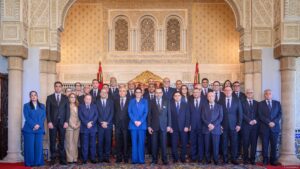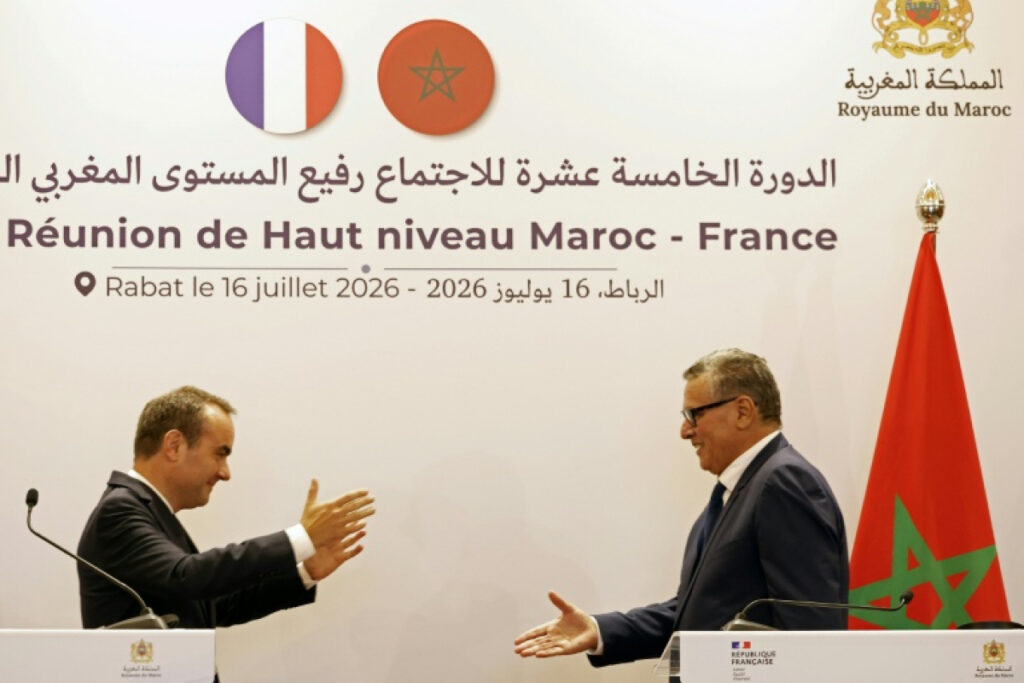
Rabat witnessed a landmark display of renewed diplomatic trust between France and Morocco as Prime Minister Sébastien Lecornu concluded a high-stakes visit aimed at solidifying bilateral relations. The meeting, held at the Ministry of Foreign Affairs, marked a significant milestone in the warming ties between Paris and Rabat, following President Emmanuel Macron’s historic recognition of Morocco’s sovereignty over Western Sahara in mid-2024—a move that reshaped regional dynamics.
The French delegation’s visit was not merely symbolic; it underscored a strategic partnership that has flourished since Macron’s state visit to Morocco in October 2024. That occasion ended years of friction, triggered by allegations of espionage and visa restrictions, and paved the way for a series of groundbreaking agreements, including a reinforced exceptional partnership.
Strengthening cooperation across key sectors
Prime Minister Lecornu, accompanied by twelve ministers—including Foreign Minister Jean-Noël Barrot and Interior Minister Laurent Nuñez—emphasized cooperation in security, counterterrorism, and regional stability, particularly in the Sahel, where jihadist threats persist. The discussions culminated in the 15th High-Level Meeting between the two delegations, the first since 2019, described by Lecornu as a pivotal moment to elevate bilateral relations to a new level.
Among the highlights were commitments to facilitate circular mobility between France and Morocco, with a focus on easing visa processes for entrepreneurs and students—a sharp contrast to the reduced visa quotas imposed in 2021 and 2022. Additionally, the two nations signed a dozen agreements, including an electric interconnectivity initiative and financing conventions with the French Development Agency for water projects and Rabat’s upcoming RER (Regional Express Rail) line.
Addressing controversies and future prospects
Despite the positive momentum, tensions lingered over reports alleging Morocco’s use of the Pegasus spyware, which Rabat categorically denied as “baseless and defamatory”. The issue was notably sidestepped during the joint press statements, with French officials dismissing it as outdated news. No further details were provided by either side, leaving the controversy unresolved but overshadowed by the broader diplomatic thaw.
Looking ahead, the partnership is poised to reach new heights, with a potential state visit by King Mohammed VI to France in the works. If realized, it would culminate in the signing of a “unprecedented treaty”—the first of its kind for France outside the European Union. While no date has been set, the symbolic significance of such an agreement underscores the depth of the alliance.
Morocco has since taken precedence in France’s Maghreb diplomacy, signaling a shift away from its previous balancing act with Algeria. The shift aligns with Paris’s growing reliance on Rabat as a key partner in addressing Sahel security challenges, especially as Algeria’s cooperation remains limited despite the resumption of Franco-Algerian talks.
As both nations celebrate this “renewed confidence”, the stage is set for deeper collaboration—one that could redefine their roles in North Africa and beyond. For now, the focus remains on translating this diplomatic warmth into tangible progress on the ground.