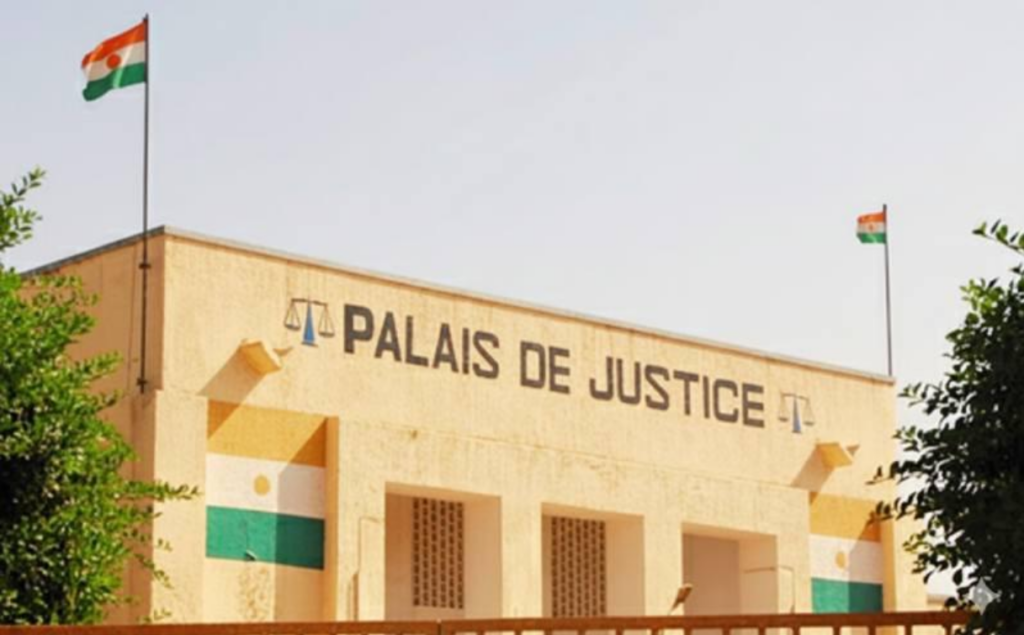
The arrest of Nigerien former police inspector Habibou Oumarou Mamane, dubbed “The Rebel,” has sent shockwaves through regional diplomacy. Alongside ten others, he was placed under court-ordered detention on November 3, 2026, following explosive public testimony alleging foreign-backed destabilization plots targeting Niger’s government.
Televised testimony sparks regional controversy
On October 23, 2026, Habibou Oumarou Mamane appeared on Niger’s state broadcaster RTN to detail what he described as ongoing efforts to undermine Niamey’s authority. His claims centered on alleged networks involving exiled Nigerien figures, foreign intermediaries, and what he asserted were contacts within Benin’s intelligence services.
The former inspector specifically alleged that efforts were made to locate Beninese Lieutenant-Colonel Pascal Tigri as part of a broader campaign to destabilize Niger. His testimony, broadcast nationally, has since fueled speculation about transnational conspiracies, though no official confirmation has been provided by either government.
Benin caught in the crossfire of unproven claims
At the heart of the controversy is Benin’s involvement as described in Oumarou Mamane’s testimony. While the former officer named individuals he claimed had ties to Benin’s intelligence community, the government in Cotonou has not acknowledged any official role. This has done little to calm tensions in a relationship already strained by months of mutual distrust.
Regional observers warn that uncorroborated accusations, even when aired publicly, can have lasting diplomatic consequences. The absence of verifiable evidence means the claims remain in the realm of allegation rather than established fact.
Notable denial adds complexity to the case
Among those publicly linked to the affair is Ange Chekaraou, whose name surfaced in connection with Oumarou Mamane’s allegations. Chekaraou swiftly denied any involvement in activities described by the former police officer, adding another layer of uncertainty to the unfolding narrative.
Legal experts emphasize that until proven otherwise, all parties must be presumed innocent. The court-ordered detention of the eleven suspects, including Oumarou Mamane, reflects active judicial proceedings—not a verdict on guilt.
Eleven detainees, one lingering question: what’s next?
The November 3 detention order marks a significant escalation in the case, but critical questions remain unanswered. Investigators have not disclosed the specific charges against the accused, nor have independent sources confirmed the existence of the destabilization networks described in the testimony.
Key unresolved issues include:
- Whether the former inspector’s claims are supported by corroborating evidence
- If any formal links exist between the accused and foreign entities
- What role, if any, state actors in Benin played in the alleged activities
Diplomatic fallout could reshape Niger-Benin relations
The affair arrives at a precarious moment for relations between Niger and Benin. Political and security tensions have simmered for months, and this episode threatens to deepen mistrust. Analysts suggest the case could either prompt a cooling-off period or accelerate existing strains, depending on how investigations unfold.
For now, the public record consists solely of the televised testimony and the court’s decision to detain eleven individuals. The judicial process is expected to clarify facts, distinguish verified information from contested claims, and determine the credibility of the former officer’s allegations.
One thing is certain: until concrete evidence emerges, the controversy will continue to divide opinion in both Niamey and Cotonou. The pursuit of truth must balance transparency with respect for legal rights and institutional integrity.