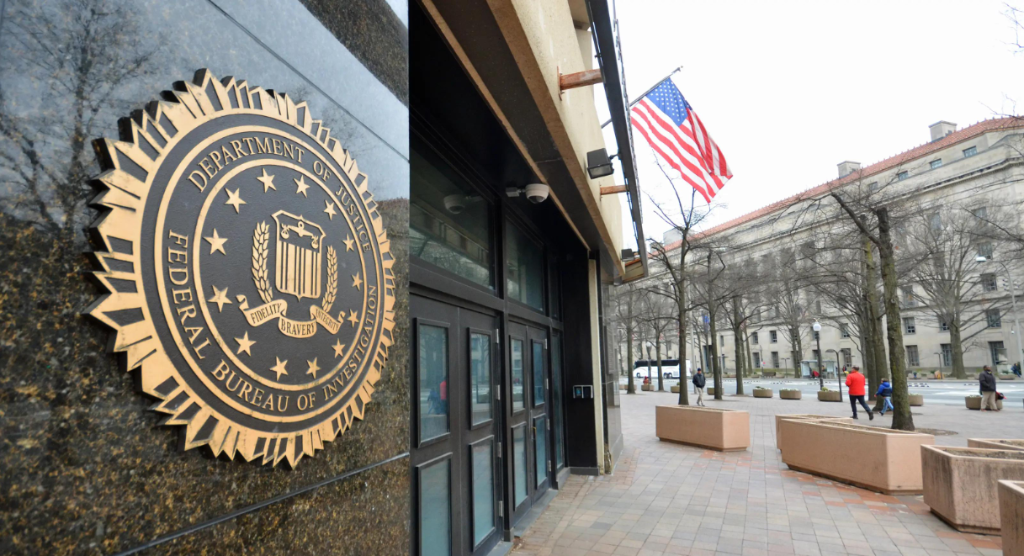
The controversial deployment of Federal Bureau of Investigation (FBI) agents within Ivory Coast’s Economic and Financial Crime Unit (PPEF) has intensified public debate across the country. Far beyond mere cooperation, this partnership is directly tackling the devastating human and economic consequences of transnational cybercrime, particularly sextortion rings operating from Ivorian soil.
From cyber threats to courtrooms: Why the FBI is in Abidjan
National outrage over the FBI’s role in a local judicial institution reached a crescendo following media reports suggesting corruption within the PPEF. Justice Minister Jean Sansan Kambilé moved swiftly to clarify the situation, confirming that the American investigators are not probing Ivorian magistrates but supporting national efforts to dismantle cybercrime networks—especially those involved in sextortion and money laundering.
According to the minister, the presence of FBI agents stems from urgent requests from the United States after American citizens fell victim to extortion schemes orchestrated by criminals based in Ivory Coast. To date, twelve suspects have been arrested and brought to justice, signaling tangible progress in cross-border collaboration.
Sextortion: A global crime with local roots
At the heart of this joint operation lies sextortion—a predatory cybercrime that exploits intimate images to blackmail victims into paying large sums of money. Perpetrators often create fake social media profiles, manipulate emotions over time, and coerce victims—mostly women and adolescents—into sharing compromising content. Once obtained, the criminals threaten to publicize the material unless payment is made.
The consequences are severe and often irreversible. Several American victims have reportedly suffered extreme psychological trauma, with some cases tragically ending in suicide. This alarming trend prompted Washington to seek direct assistance from Ivorian authorities, leading to the creation of a dedicated investigative team.
The Task Force model: Bridging jurisdictions without overstepping boundaries
To streamline operations, Ivory Coast and the United States established a joint investigative unit—known locally as the Task Force. Comprising PPEF prosecutors, Ivorian investigators, FBI agents, and U.S. prosecutors, this team operates under a structured legal framework designed to respect both countries’ judicial sovereignty.
Since its inception, the Task Force has successfully dismantled multiple sextortion rings, resulting in the arrest and prosecution of suspects. While the FBI provides technical expertise and intelligence, all arrests and prosecutions are conducted by Ivorian authorities in accordance with national law. This balanced approach helps build public trust and ensures compliance with international legal norms.
What does the FBI actually do in Ivory Coast?
The American agents stationed at the PPEF do not act as autonomous investigators with judicial powers. Instead, they function as advisors, trainers, and facilitators. Their duties include:
- Sharing advanced forensic and digital investigative techniques
- Providing real-time intelligence on international cybercrime networks
- Assisting in the identification and tracing of financial flows linked to sextortion
- Supporting Ivorian prosecutors in building evidence-based cases
This collaborative model ensures that foreign expertise enhances local capabilities without undermining institutional autonomy.
Separating fact from fiction: Addressing corruption claims
Earlier reports had suggested FBI involvement in a corruption scandal within the PPEF, including alleged foreign bank accounts tied to officials. The Ministry of Justice responded with a categorical denial, stating that no such FBI-led investigation or financial probe had been initiated by U.S. authorities or Ivorian law enforcement.
The government emphasized that the joint Task Force operates exclusively within its mandate: combating cyber-enabled financial crimes—namely sextortion and money laundering—and has no jurisdiction over domestic corruption cases. This clarification aimed to restore public confidence and clarify the actual scope of cooperation.
Beyond arrests: The broader impact on Ivorian justice and global standing
While arrest figures validate the partnership’s effectiveness, the real significance lies in its long-term impact. By working with the FBI, Ivory Coast has strengthened its forensic and prosecutorial capabilities, equipping its judiciary to handle complex cybercrimes independently in the future.
Moreover, the collaboration contributed to the country’s removal from the Financial Action Task Force (FATF) grey list—a move that improves access to international capital and enhances investor confidence. This success underscores how targeted international partnerships can deliver concrete economic and social benefits.
The sovereignty dilemma: Can Africa balance security with autonomy?
The debate over FBI presence in Abidjan transcends legal technicalities. It reflects a deeper tension between the urgent need to combat cross-border crime and the preservation of national judicial authority. For Ivory Coast, this partnership represents a calculated risk: leveraging U.S. expertise to protect citizens and attract investment, while ensuring that foreign involvement does not erode constitutional sovereignty.
Ultimately, the success of this model may set a precedent for other African nations grappling with similar challenges. It highlights that international cooperation, when structured transparently and grounded in mutual respect, can yield powerful results—without sacrificing national integrity.





