Ebola surge in Democratic Republic of Congo: over 1,000 cases reported in a month
The Ebola epidemic in the Democratic Republic of Congo is gaining momentum, with more than 1,000 confirmed cases reported within just four weeks. The outbreak is primarily concentrated in the eastern provinces of Ituri, North Kivu, and South Kivu—regions already grappling with armed conflicts, mass displacement, and severe limitations in healthcare access.
While the situation remains largely contained within Central Africa, the detection of a single imported case in France has underscored the potential for international spread. Health authorities, however, emphasize that the risk of widespread transmission remains minimal due to stringent surveillance and isolation protocols currently in place.
Challenges in hotspot regions
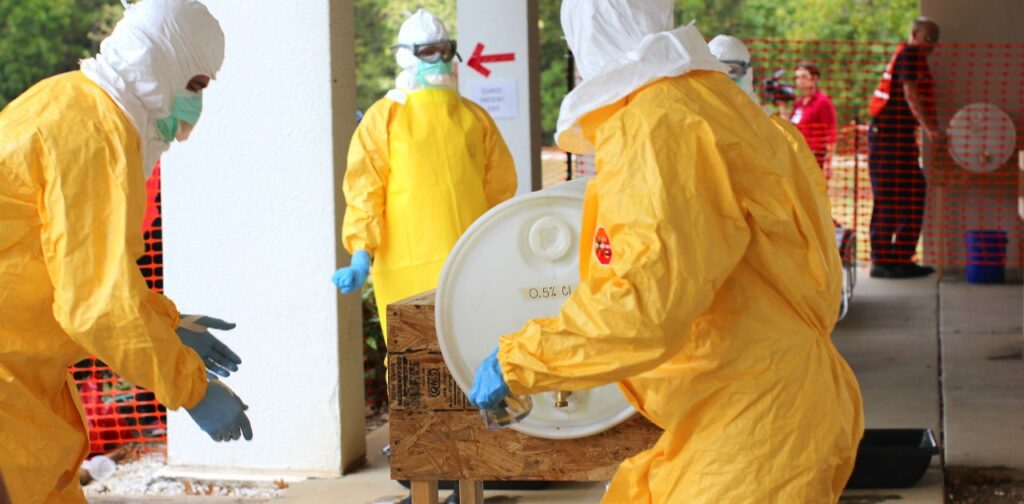
Containing the virus in conflict-affected areas has proven particularly difficult. Constant population movements, restricted access to medical facilities, and the logistical hurdles of delivering care in unstable environments have created ideal conditions for the virus to spread unchecked. Local health workers are working against the clock, implementing emergency response measures to trace contacts, isolate confirmed cases, and vaccinate at-risk populations.
The scale of the outbreak is unprecedented in recent years, raising concerns about the virus’s ability to mutate and potentially become more transmissible. Epidemiologists are closely monitoring genetic sequencing data to detect any changes that could signal an increased threat to public health.
Global implications and preparedness
Despite the localized nature of the current outbreak, international health organizations remain vigilant. The World Health Organization has maintained a high level of alert, deploying rapid response teams to support local efforts and ensure that neighboring countries are prepared to respond swiftly in case of further spread.
While the imported case in France did not lead to secondary infections, it serves as a reminder of the interconnectedness of global health security. International cooperation and information-sharing between nations have become critical components in preventing larger-scale outbreaks.
What’s next for the Democratic Republic of Congo?
Health officials in the Democratic Republic of Congo are calling for increased international support to bolster healthcare infrastructure in affected regions. Enhanced funding, medical supplies, and personnel are urgently needed to curb the epidemic before it spirals further out of control.
The coming weeks will be decisive. If containment efforts succeed, the country could avoid a repeat of previous Ebola crises that claimed thousands of lives. Failure to act decisively, however, risks repeating the tragic patterns seen in past outbreaks.