
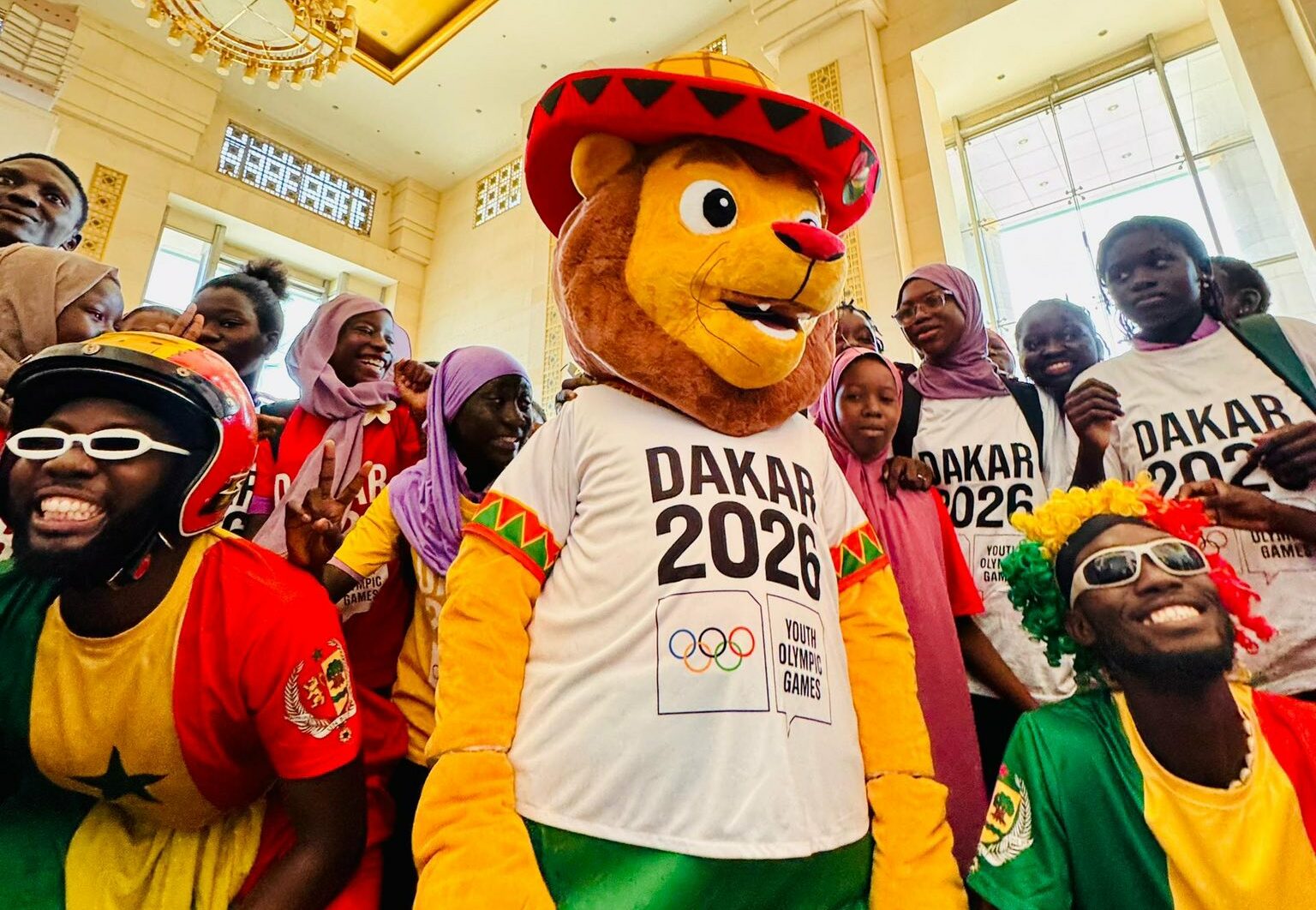
The Dakar 2026 Youth Olympic Games (JOJ) is making a bold pledge for a future free of plastic pollution. This commitment stems from a joint effort between the Dakar 2026 organizing committee and Senegal’s Ministry of Environment and Ecological Transition, backed by the United Nations Development Programme (UNDP). At the core of these upcoming Games are several foundational principles: a determined reduction of single-use plastics, enhanced waste sorting and collection infrastructure across all venues, extensive awareness campaigns targeting athletes, spectators, and local communities, and the vital engagement of institutions, the private sector, and civil society to establish a lasting environmental legacy.
The Dakar 2026 Organizing Committee (COJOJ) expressed enthusiasm, stating that this groundbreaking initiative positions Dakar 2026 to become a global benchmark for sustainable sporting events, actively propelling Senegal’s shift towards a circular plastics economy. Fatou Leigh, the interim Resident Representative for UNDP Senegal, elaborated on this vision: “We are not merely initiating an environmental project; we are launching an ambitious endeavor. Our goal is to demonstrate through the Dakar 2026 Youth Olympic Games that a major international event can indeed accelerate the transition to a more responsible and sustainable circular economy.”
Aliou Gory Diouf, the Minister of Environment and Ecological Transition, underscored the profound significance of the event. “The Youth Olympic Games present an extraordinary opportunity for our nation,” Diouf remarked. “We are determined to showcase Senegal’s capability to host the first Olympic event on the African continent, all while ensuring we leave behind an environmental legacy as impactful as the sporting one. Our aspirations extend beyond the Games themselves; we aim for the responsible practices adopted during this period to become ingrained in our national culture.”