N’Djamena weddings: when sudanese traditions reshape chadian ceremonies
Modern weddings in the Chadian capital are increasingly adopting Sudanese customs, raising concerns about the erosion of local traditions. As cultural practices evolve, the essence of traditional Chadian nuptials faces transformation.
Weddings in N’Djamena are undergoing a cultural shift that is reshaping how couples celebrate their unions. Practices borrowed from Sudanese traditions have become prominent in modern Chadian ceremonies, prompting debates about the future of local customs.
Sudanese customs making their mark in chadian weddings
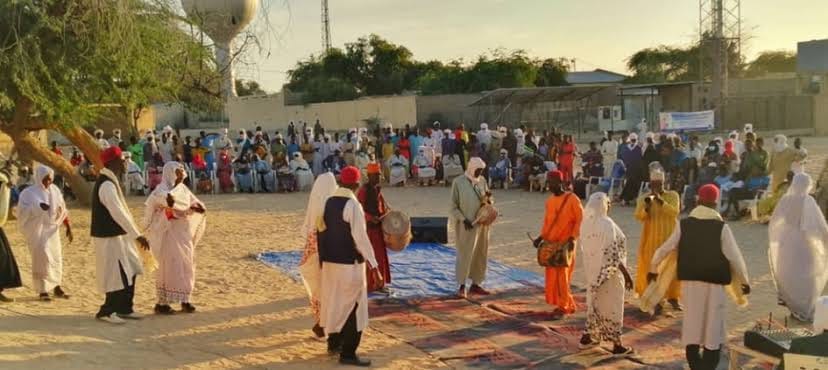
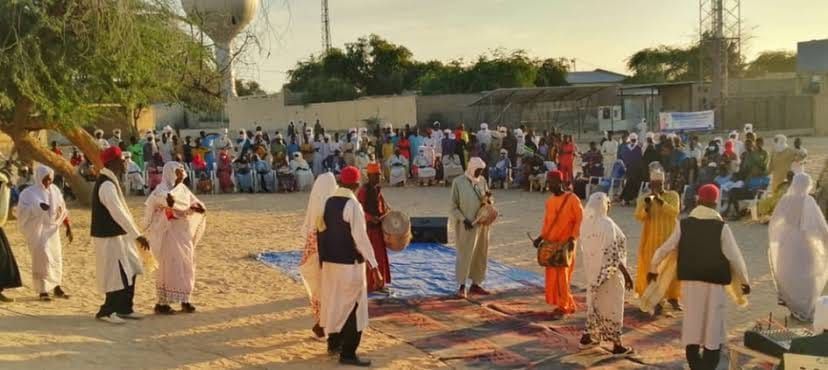
Today’s weddings in the Chadian capital often feature rituals that were once unfamiliar to local traditions. Grooms now receive henna designs on their hands and feet, mirroring the practices of their Sudanese neighbors. The bridegroom is paraded in a procession to his bride’s home, where he lifts her into his arms as guests watch. Days later, another ceremony takes place where he presents her with jewelry in the presence of both families. These elements, now common in N’Djamena, are strongly associated with Sudanese wedding customs.
Traditional chadian weddings: a fading memory?
In contrast, traditional Chadian weddings were rooted in deep cultural values. After the dowry was settled, the couple had limited interaction before the wedding day. On the day of the ceremony, the bride would leave her family home escorted by her mother and grandmothers, who would impart wisdom on patience, household respect, forgiveness, and marital responsibility.
A week after the wedding, the bride’s family would symbolically entrust her to her new neighbors. The neighbors were expected to guide her when she made mistakes and encourage her in her duties, fostering strong community bonds.
Modern ceremonies: spectacle vs. tradition
The entertainment aspect of weddings has also evolved. Traditional griots, drummers, and singers—who once narrated the histories of communities—are being replaced by modern performances. Elders worry that this shift diminishes the transmission of cultural heritage to younger generations.
In some neighborhoods, entire weddings now follow Sudanese-inspired formats: decorations, attire, henna sessions, music, and staged presentations of the couple. For guests, distinguishing between a Chadian and a Sudanese wedding has become increasingly difficult.
Voices from the community
A local elder from Bololo shared his concerns: « Previously, a Chadian wedding was a school of life. Elders spoke, the youth listened, and everyone left with valuable lessons. Now, the focus has shifted to spectacle over substance. »
Maman Azma, a mother and director of the Lamy Fortain association, echoed these worries: « Our daughters now know ceremonies from other cultures, but many are unaware of the traditions their grandmothers once practiced. If we don’t preserve them, they will disappear. »
Not everyone views this change negatively. One newlywed remarked: « We adopt beautiful traditions from other cultures without rejecting our own. The goal is to uphold the values that define marriage. »
Balancing cultural preservation and openness
The blending of wedding traditions raises an important question: How can Chadian culture maintain its identity while embracing external influences? Heritage specialists argue that the solution lies not in rejecting foreign customs but in ensuring that local traditions are passed down to future generations before they fade away.