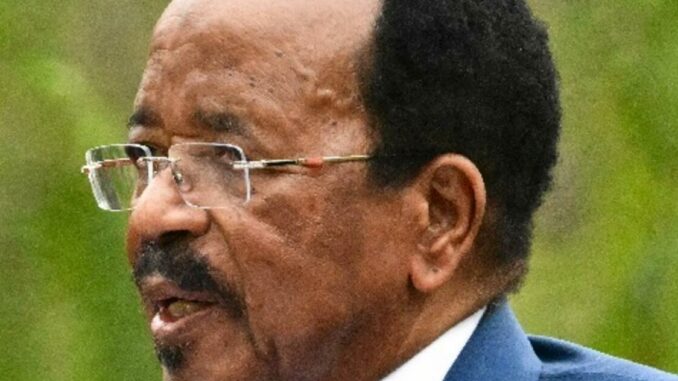
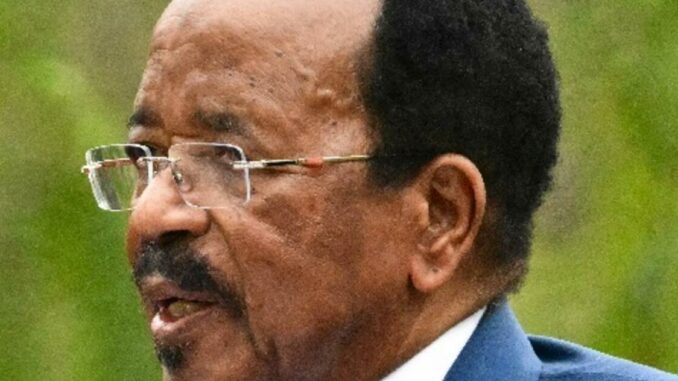
For eight weeks now, Cameroonian President Paul Biya has remained outside the nation, having initially departed for what was termed a « brief private visit to Europe ». At 93 years old, the head of state’s extended absence inadvertently raises questions regarding his ability to lead, while the government’s silence on the matter amplifies speculation within a political landscape already grappling with post-presidential election uncertainties.
Officials are actively working to calm the rising controversy. Numerous government figures confirm that President Biya continues to carry out his duties remotely, emphasizing that no constitutional clause restricts the duration of a presidential visit abroad. From Yaoundé’s perspective, there is no power vacuum or institutional crisis; state affairs, they assert, are proceeding without disruption.
However, this official narrative struggles to persuade the opposition. Maurice Kamto’s Movement for the Rebirth of Cameroon (MRC) criticizes a significant lack of transparency, arguing that the Cameroonian populace deserves full disclosure regarding the president’s health status and his capacity to fulfill his responsibilities. The party’s leaders believe that the secrecy surrounding the European stay only deepens public inquiry rather than resolving it.
Other opposition voices offer a more institutionally focused interpretation. Cabral Libii, president of the PCRN, suggests that the core issue is not merely the head of state’s absence, but rather the deficiencies within the legal framework governing the exercise of power. He posits that the legislative and municipal elections scheduled for early 2027 could present an opportunity for significant institutional reform.
Occurring just eight months into Paul Biya’s new term, this extended absence has reignited a long-standing discourse concerning national governance, presidential succession, and the urgent need for enhanced transparency at the highest levels of government. Beyond being a mere dispute over a presidential trip, it starkly reveals the inherent vulnerabilities of a political system predominantly built around a single individual who has held power for over four decades.