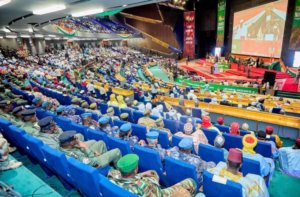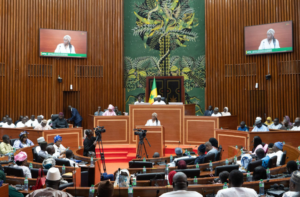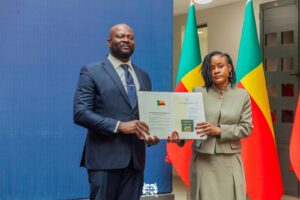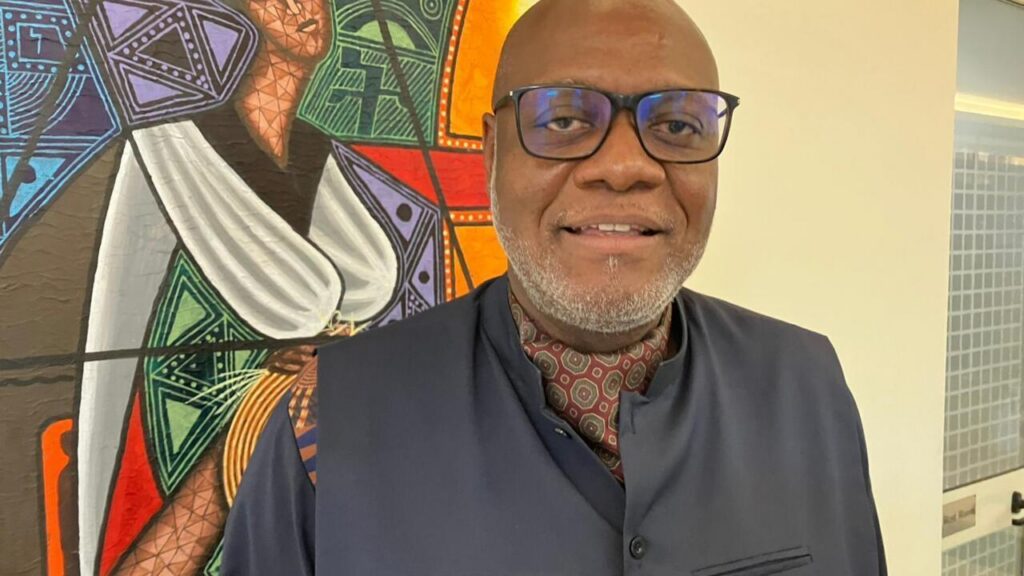
During the 39th African Union summit in Addis-Abeba, a bold declaration echoed through the halls: “silencing the guns” must become a reality, with zero tolerance for unconstitutional power grabs. Yet, as the dust settles, a troubling question lingers—can such ambitions truly take root when those who orchestrated coups now stand at the ballot box?
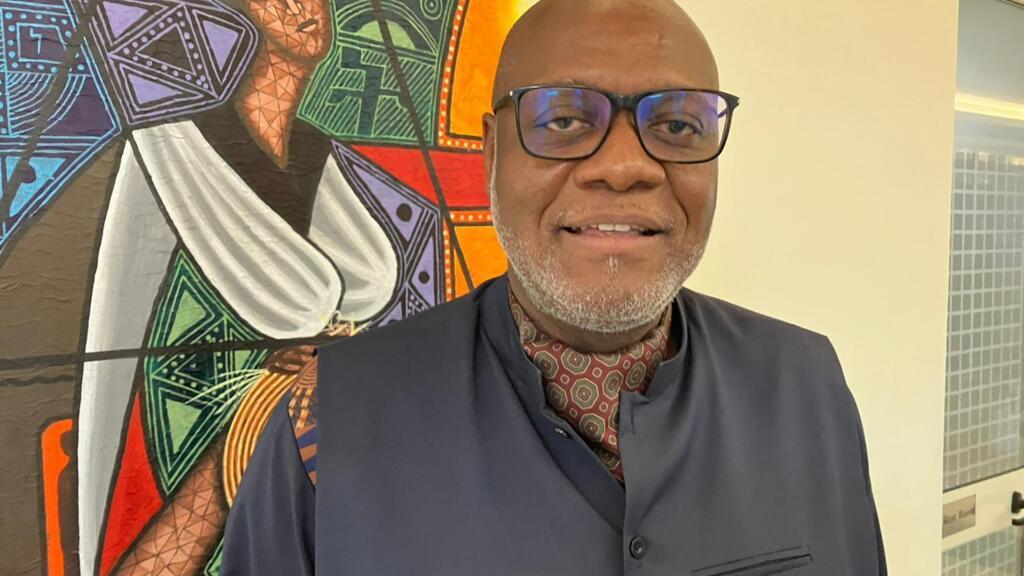
Paul-Simon Handy, a prominent Cameroonian researcher and Regional Director of the Institute for Security Studies (ISS) for East Africa, was present in Addis-Abeba. In an exclusive interview with Afrique Midi, he dissected the summit’s declarations and their implications for Africa’s democratic future.
a summit of contradictions
The African Union’s latest gathering concluded with a resounding call to end unconstitutional power changes across the continent. Yet, the paradox is undeniable: how can a continent that has witnessed multiple coups in recent years reconcile its condemnation of such acts with the electoral success of their architects?
Handy emphasized the core dilemma facing African leaders. “The idea that individuals responsible for destabilizing their nations through coups should be allowed to participate in elections is deeply troubling,” he stated. “It undermines the very principles of democracy and sends a dangerous message to both citizens and the international community.”
the AU’s stance: strong words, weak enforcement
The summit’s final communiqué left no room for ambiguity. “Zero tolerance” for unconstitutional changes of government was the headline. But Handy questioned whether this resolve would translate into action. “Declarations alone are not enough. The AU must implement mechanisms to prevent coup leaders from gaining legitimacy through elections,” he argued.
The researcher highlighted the case of countries where coup plotters have transitioned from the barracks to the ballot box, often leveraging populist rhetoric to secure votes. “This trend normalizes the idea that force can be a pathway to power,” he warned. “It erodes trust in democratic institutions and sets a precarious precedent.”
the road ahead: can africa break the cycle?
For Handy, the solution lies in a multi-faceted approach. First, the AU must enforce its own protocols rigorously. “The bloc has frameworks in place, but compliance is inconsistent,” he noted. “Stronger sanctions and diplomatic isolation for coup leaders who seek electoral validation are essential.”
Second, he stressed the need for African civil societies and media to hold leaders accountable. “Public pressure plays a critical role in shaping political outcomes. Citizens must reject any narrative that glorifies coup leaders as ‘saviors’ of their nations.”
Finally, Handy called for international support in reinforcing democratic institutions. “The global community must stand firm against legitimizing those who seize power unconstitutionally. This includes monitoring elections closely and condemning any attempts to use democratic processes as a fig leaf for authoritarian rule.”
The African Union’s summit in Addis-Abeba may have set a bold agenda, but the real test lies in the months and years ahead. Will the continent’s leaders uphold their promises, or will the cycle of coups and electoral legitimization continue unchecked? The answer will define Africa’s democratic future.