From raw mineral to regional industry: the stakes for Togo
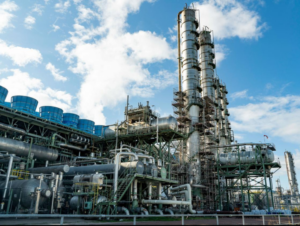
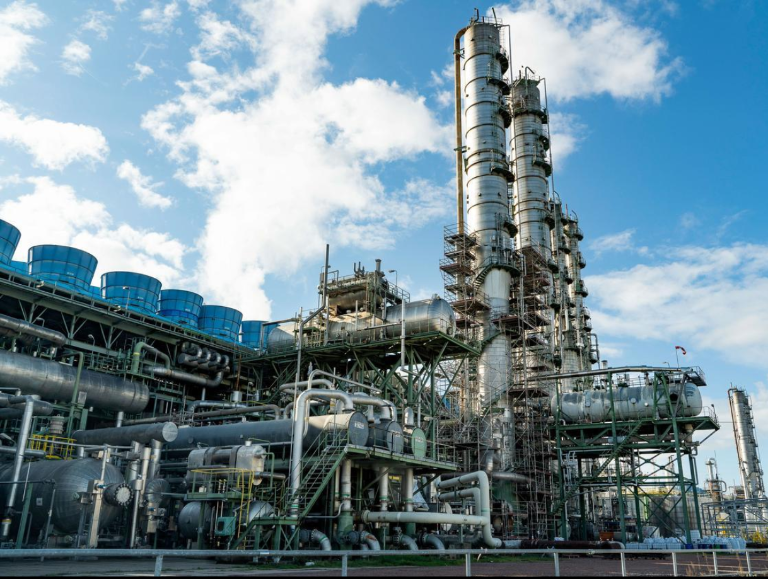
The West African Economic and Monetary Union (UEMOA) is betting big on phosphate. With a 1.45 trillion CFA franc investment plan spanning 2026 to 2030, the regional body is pushing to build the first-ever fertilizer industry hub in West Africa. Togo, home to one of the continent’s richest phosphate reserves, has been tapped as a key player in this high-stakes industrial transformation. The project is not just about mining—it’s about reshaping the region’s entire fertilizer supply chain, slashing import dependence, and creating a ripple effect across local economies.
But the road to success is far from paved. The UEMOA’s vision hinges on turning raw phosphate into high-value industrial products while unlocking private capital, mobilizing infrastructure, and nurturing a competitive regional market. For Togo, this means more than extracting and exporting ore—it means building a new industrial ecosystem from the ground up.
How phosphate can power West Africa’s economy—and why it’s not a done deal
The numbers tell a clear story. West Africa sits on vast phosphate deposits, yet the region remains heavily reliant on imported fertilizers, leaving farmers vulnerable to global price swings and supply chain disruptions. The UEMOA’s industrial hub aims to flip that script by turning Togo’s phosphate wealth into a strategic asset for the entire bloc. The goal? To process the mineral locally, produce fertilizers tailored to regional soils, and reduce exposure to volatile international markets.
But phosphate alone won’t do the trick. Turning it into market-ready fertilizers requires massive investments in processing plants, logistics, energy, and workforce training. The UEMOA has outlined a 1.45 trillion CFA franc budget, with private investors expected to foot the lion’s share at 1.19 trillion CFA francs. Public contributions will cover the remaining 239.5 billion CFA francs—but the real challenge lies in securing long-term financing, ensuring stable infrastructure, and guaranteeing access to affordable end products for farmers.
For Togo, the opportunity is immense: industrialization means jobs, technological advancement, and a stronger foothold in the regional economy. The risks, however, are equally significant. If the project stalls—due to financing gaps, bureaucratic hurdles, or market misalignment—West Africa’s fertilizer gap could widen, leaving farmers stranded and economic growth stunted.
The ripple effects: jobs, energy, and the future of farming in West Africa
Beyond the economic numbers, the UEMOA’s fertilizer hub could redefine agriculture across the region. By producing fertilizers locally, the project could lower costs for farmers, improve soil health, and boost crop yields—especially in countries where smallholder agriculture drives food security. The plan doesn’t stop at processing; it includes setting up blending units near farming hotspots to ensure fertilizers are accessible where they’re needed most.
Yet the impact isn’t just about agriculture. Industrializing Togo’s phosphate sector could spark a chain reaction: new supply chains for chemicals, machinery, and logistics, a surge in technical skills for workers, and a potential boost to related industries like packaging and transport. The UEMOA’s strategy also emphasizes sustainable practices, aiming to balance resource exploitation with environmental responsibility—a critical factor for long-term viability.
But success depends on more than just raw potential. The UEMOA must prove it can coordinate member states, align private investors with public goals, and deliver on its promises. For Togo, the task is clear: seize this moment to cement its role as the industrial backbone of West Africa’s fertilizer revolution—or risk watching the opportunity slip away.
What’s next? Turning plans into progress
The UEMOA’s phosphate project is ambitious, but ambition alone won’t build factories or fill fields with fertilizer. The real test lies in execution. Over the next six years, the bloc must finalize funding agreements, break ground on industrial sites, and establish clear frameworks for private sector participation. For Togo, this means defining its role in the hub, securing partnerships, and ensuring its phosphate reserves are transformed into tangible economic benefits.
The stakes couldn’t be higher. A successful industrial hub could reduce West Africa’s reliance on foreign fertilizers by up to 40%, according to preliminary assessments. It could also position Togo as a regional leader in industrialization, attracting further investment and diversifying its economy. Failure, however, could leave the region stuck in a cycle of dependence—haunted by the same vulnerabilities that have plagued its agricultural sector for decades.
The UEMOA’s phosphate gamble is a high-risk, high-reward play. For Togo and its neighbors, the question isn’t just about extracting wealth from the ground—it’s about deciding whether to process it locally and build a future where West Africa controls its own fertilizer destiny.