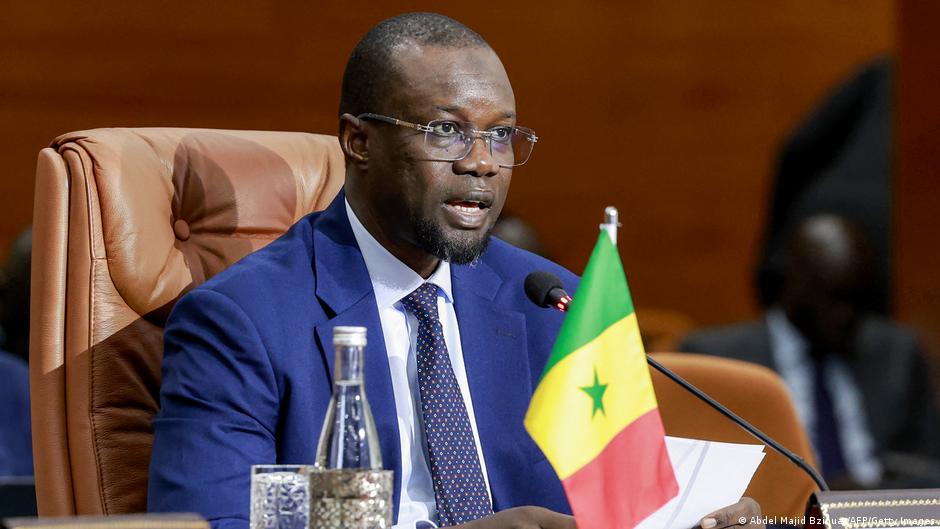
Challenging Ousmane Sonko’s policies in Senegal carries risks
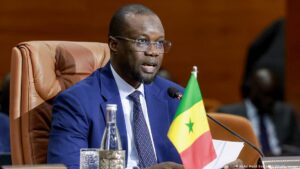
Public criticism of Ousmane Sonko, President of Senegal’s National Assembly, has become a high-stakes endeavor. Civil society leaders and journalists report growing unease over the intimidation tactics employed against dissenting voices, particularly on social media platforms. The phenomenon is closely tied to the Pastef party’s most fervent supporters, who have intensified online campaigns to silence opponents. These coordinated efforts have fostered a climate of fear, pushing many to self-censor rather than risk retaliation.
The political tensions between President Bassirou Diomaye Faye and Ousmane Sonko have further strained democratic discourse in Senegal. Critics argue that the current environment undermines the nation’s commitment to free expression and open debate.
Media freedoms under threat
Sonko’s rise to power has raised concerns about press freedom. Shortly after assuming office as Prime Minister in early April 2024, he issued a warning to Senegalese media outlets:
“We will no longer allow media outlets to publish whatever they wish about individuals, under the guise of press freedom, without verifiable sources.”
This statement has intensified worries among journalists and media organizations who fear increased restrictions on their reporting.
Judiciary in the crosshairs
Ousmane Sonko’s rhetoric has also targeted Senegal’s judicial system. In November 2025, while serving as Prime Minister, he publicly criticized magistrates for allegedly obstructing financial investigations, accusing them of perpetuating the very system he has long opposed. These remarks provoked strong reactions from legal professionals across the country.
Women’s rights face setbacks
Senegalese feminist activists are sounding the alarm over the erosion of women’s rights under the current administration. Ossama Monique Sagna, a prominent feminist campaigner, highlights the persistent gap between legal frameworks and their practical implementation:
“The first setback is the decline in female ministerial representation. The current government has fewer women in cabinet than the previous administration under Macky Sall. This marks a clear regression in political representation at the highest levels.”
While Macky Sall’s last government included seven women ministers, the current administration, before recent changes, had only four, representing just 13% of the cabinet. This reduction has sparked widespread criticism and disappointment among citizens and advocacy groups alike.
Sagna emphasizes that structural progress remains stagnant:
“We’re still discussing the same issues: reforming the Family Code, implementing the Maputo Protocol on reproductive rights, and combating gender-based violence. The demands haven’t changed, but political responses remain inadequate. The surge in feminicides—18 documented cases in 2025 alone—underscores the urgency of the situation. Too often, authorities fail to respond adequately to these violations.”