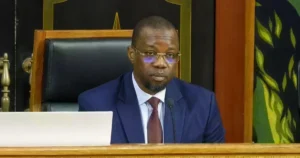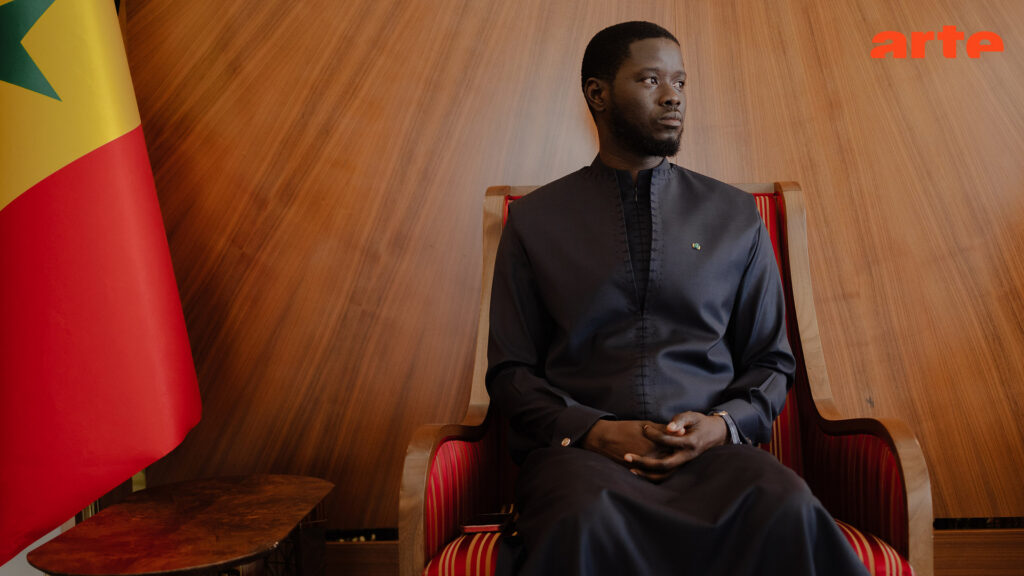
The West African nation of Senegal finds itself at a pivotal juncture, with political tensions escalating and societal divisions widening. President Bassirou Diomaye Faye has recently taken decisive action by removing his long-time ally and former prime minister, Ousmane Sonko, from office on May 22. This move was swiftly followed by Sonko’s election as Speaker of the National Assembly on May 26, signaling a dramatic shift in the country’s power dynamics.
political turbulence grips Senegal’s leadership
The unexpected reshuffle has sent shockwaves through Dakar’s corridors of power. President Faye’s decision to replace Sonko—once a key figure in his administration—has raised questions about the stability of the government and the future of its reform agenda. Meanwhile, Sonko’s rapid ascent to the Assembly’s presidency underscores the fluidity of Senegal’s political landscape, where alliances and rivalries can shift overnight.
The timing of these developments coincides with broader societal unrest. In March 2026, Senegal passed a controversial law that significantly toughens penalties for homosexuality, sparking widespread debate and protests. The legislation has drawn criticism from human rights organizations and international observers, who argue it infringes on fundamental freedoms and exacerbates social divides.
a nation divided: balancing reform and tradition
Senegal’s current trajectory reflects a nation grappling with competing visions for its future. On one hand, President Faye’s administration has championed progressive reforms aimed at addressing governance and economic challenges. On the other, the passage of the anti-homosexuality law highlights the enduring influence of conservative social norms, which continue to clash with calls for modernization and inclusivity.
The interplay between these forces has created a volatile environment. Civil society groups are mobilizing to challenge the new legislation, while political factions maneuver to assert their influence ahead of upcoming elections. The potential for further unrest looms large, with analysts warning that unresolved tensions could undermine Senegal’s democratic progress.
what lies ahead for Senegal?
As Senegal navigates this period of uncertainty, all eyes are on its leaders to steer the country toward stability. The coming months will be critical in determining whether the nation can reconcile its political fractures and societal divisions. For now, the question remains: can Senegal avoid the chaos that threatens to engulf it, or will it succumb to the forces tearing at its social and political fabric?