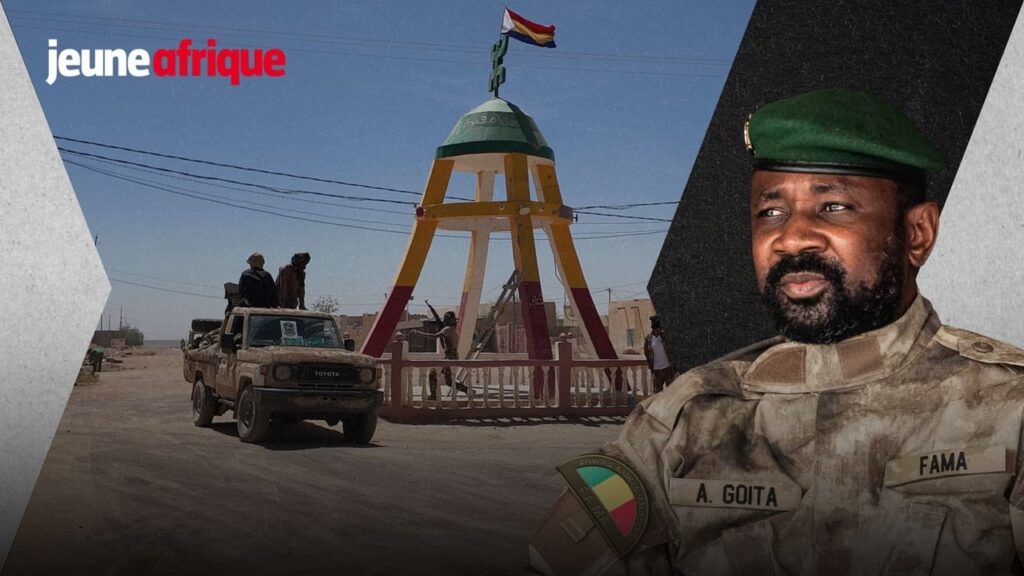
Bamako is at the center of a storm as Mali grapples with an unprecedented surge in violence, reshaping the nation’s political and military landscape. The fragile stability that once defined the country has been shattered, leaving authorities scrambling to regain control amid a wave of coordinated attacks that have claimed lives and deepened uncertainty.
Unprecedented violence shakes Mali’s foundations
April 25, 2026, marked a turning point in Mali’s security crisis. A series of coordinated assaults on key cities sent shockwaves through the nation. The deadly attacks resulted in the loss of the Defense Minister, a critical figure in the government’s fight against insurgency. The scale and coordination of the assaults exposed the deepening ties between jihadist factions and separatist rebels, signaling a new era of collaboration among previously divided groups.
Witnesses reported scenes of chaos as armed groups stormed strategic locations, overwhelming local defenses. The fall of Kidal to rebel forces highlighted the vulnerabilities in Mali’s security apparatus, with mercenary-held checkpoints crumbling under the onslaught. This pivotal moment underscored the urgent need for a reassessment of the government’s counterinsurgency strategies.
Government under pressure as alliances shift
The crisis has forced President Assimi Goïta and his administration into a defensive posture. The loss of key personnel has weakened their position, while the growing collaboration between jihadist networks and rebel factions has created an even more complex threat. The alliance, once unthinkable, now poses a formidable challenge to Mali’s sovereignty and stability.
Analysts warn that the current situation could spiral further if decisive action is not taken. The government faces mounting pressure to restore order, but the odds are stacked against it as the insurgency gains momentum. The loss of strategic territories and the erosion of public trust have left the authorities in a precarious position.
What’s next for Mali?
The path forward remains uncertain. With the security situation deteriorating, the government must navigate a treacherous landscape where traditional allies may no longer be reliable. The international community’s role in supporting Mali’s efforts to combat terrorism is more critical than ever, but the road to recovery will be long and arduous.
As the dust settles on the aftermath of the April 25 attacks, one thing is clear: Mali stands at a crossroads. The choices made in the coming weeks will determine whether the nation can reclaim its stability or succumb to the rising tide of violence.