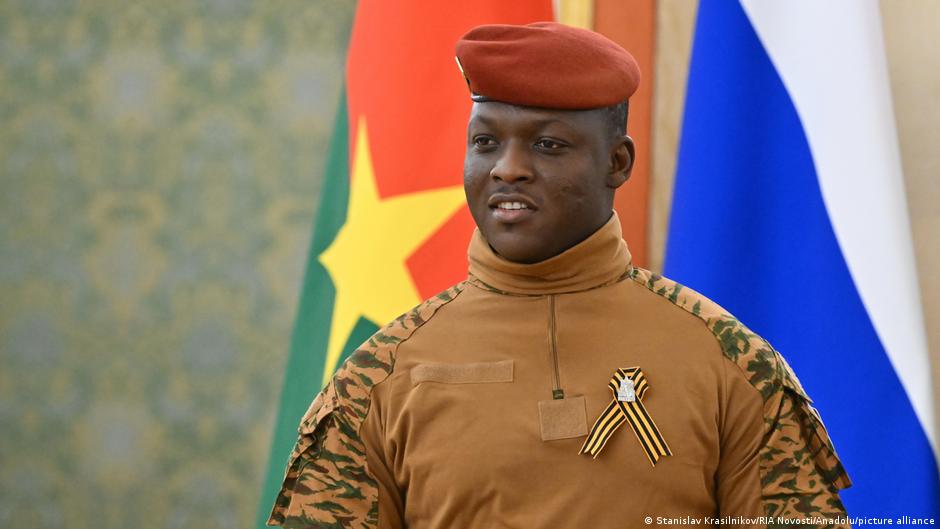
Military crackdown on dissent in Burkina Faso raises concerns
The arrest of prominent Sunni preacher Mohamed Ishaq Kindo in Burkina Faso on the eve of Eid al-Adha has intensified concerns about shrinking civic freedoms under military governance. While authorities have not provided official explanations for the detention, the Federation of Islamic Associations (FAIB) has urged calm and respect for state institutions.
Witness accounts describe how plainclothes police and masked soldiers took the imam into custody around 2 p.m. on May 26. Local supporters attempted to intervene, leading to clashes that left several people injured.
Tensions have been building for months over a controversial draft law on religious freedoms. The proposed legislation seeks to reinforce state secularism, regulate places of worship within public services, and curb extremist influences. Muslim advocacy groups, however, argue the measures infringe on their rights and demand its withdrawal.
Just days before his arrest, an audio message attributed to Imam Kindo circulated online. In it, he urged authorities to “reconsider the consequences of their actions before proceeding.”
A peaceful gathering in support of the detained cleric in Ouagadougou was quickly dispersed with tear gas shortly after his detention.
The situation reflects a broader pattern. In late March, Imam Mahmoud Barro vanished after publicly criticizing the same legislative proposal.
Another alarming development emerged this week with the suspension of the General Union of Burkinabè Students (UGEB), accused of “promoting terrorism” for three months—a penalty subject to renewal. The charge stems from a statement condemning the government’s “clear failure” to address rising insecurity and fulfill security promises.
Human rights groups condemn crackdown
Human Rights Watch described the UGEB as a longstanding advocate for student welfare and a key voice in campaigns for transparency and social justice since its 1960 founding.
A prosecutor in Ouagadougou confirmed an investigation has been opened “against the author or authors” of the UGEB’s statement. A Burkinabè national now living abroad, quoted by HRW, warned that judicial proceedings increasingly reflect the political and security priorities of the ruling military council rather than legal independence.
The international watchdog is calling for the immediate revocation of sanctions against the UGEB and an end to repression targeting independent voices and fundamental freedoms. It argues that silencing students will not resolve Burkina Faso’s deepening crises, including the escalating insurgency fueled by jihadist groups.
Just weeks earlier, the International Federation for Human Rights (FIDH) had urged Burkinabè authorities to uphold fundamental rights and freedoms. That appeal appears to have gone unheeded. Instead, fear is spreading across society. Journalists increasingly struggle to find willing sources, as the risks of speaking out grow. Yet resistance persists—silently online and in private conversations among citizens.