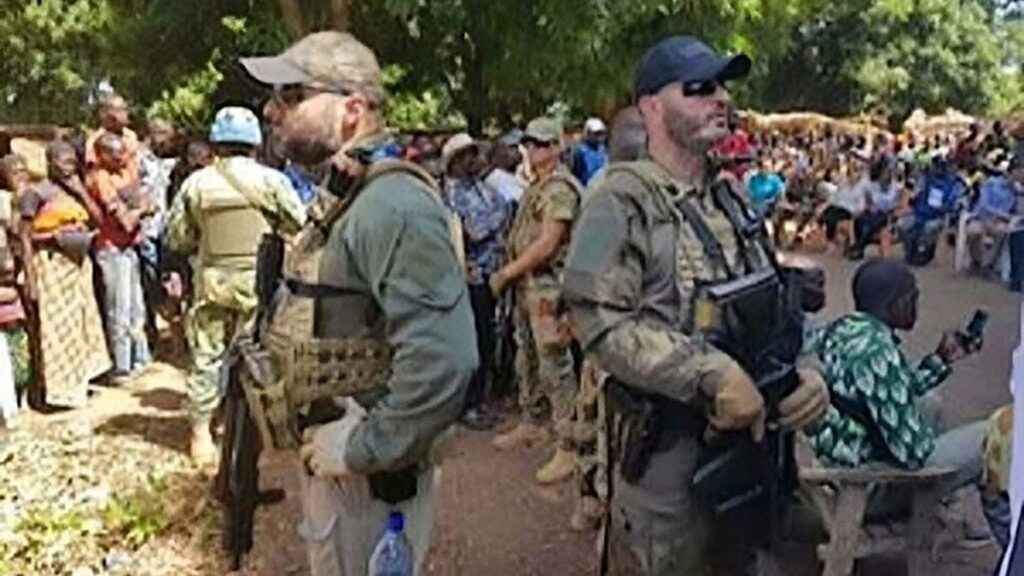
French authorities have denied asylum to Central African journalist Ephrem Yalike-Ngonzo, despite his groundbreaking revelations about Russian mercenary group Wagner’s operations in his home country. The decision comes as a severe blow to advocates of press freedom and transparency.
From informant to whistleblower
Ephrem Yalike-Ngonzo’s journey took a dramatic turn when he transitioned from being an alleged participant in a propaganda network to a courageous whistleblower exposing its inner workings. In late 2019, while working for multiple publications, he was approached to publish articles favorable to the Central African armed forces and their Russian allies. For each piece, he received payments ranging from 15 to 30 euros—equivalent to a quarter of his monthly salary.
His exposure in 2024 through a global investigation revealed the depth of Russia’s influence operations in Central Africa, including Wagner’s role in spreading disinformation. The revelations triggered swift European sanctions against Mikhaïl Prudnikov, a key figure in Moscow’s propaganda efforts in the region.
Threats and forced exile
The consequences of his disclosures were immediate. Threatened with death by Wagner operatives, Yalike-Ngonzo fled Central Africa, seeking refuge in France in 2024. His case drew attention at the highest levels, prompting French authorities to grant him a temporary travel document to enter the country. However, his asylum request was ultimately rejected, leaving him in legal limbo.
His lawyer condemned the decision as a “highly concerning signal” to those fighting against Russian disinformation. The refusal sends a chilling message to journalists and activists who risk everything to uncover the truth.
Legal battle and ongoing risks
On July 9, a formal appeal was filed with the National Asylum Court. The process is expected to drag on for at least a year, during which Yalike-Ngonzo remains in hiding in France with his family. Meanwhile, relatives still in Central Africa face relentless pressure, including interrogations and demands to disclose his whereabouts.
The case underscores the precarious position of whistleblowers who expose foreign interference, particularly in regions where Russian-backed groups like Wagner operate with impunity. For Yalike-Ngonzo, the fight for asylum is not just about personal safety—it’s a battle for justice and accountability.