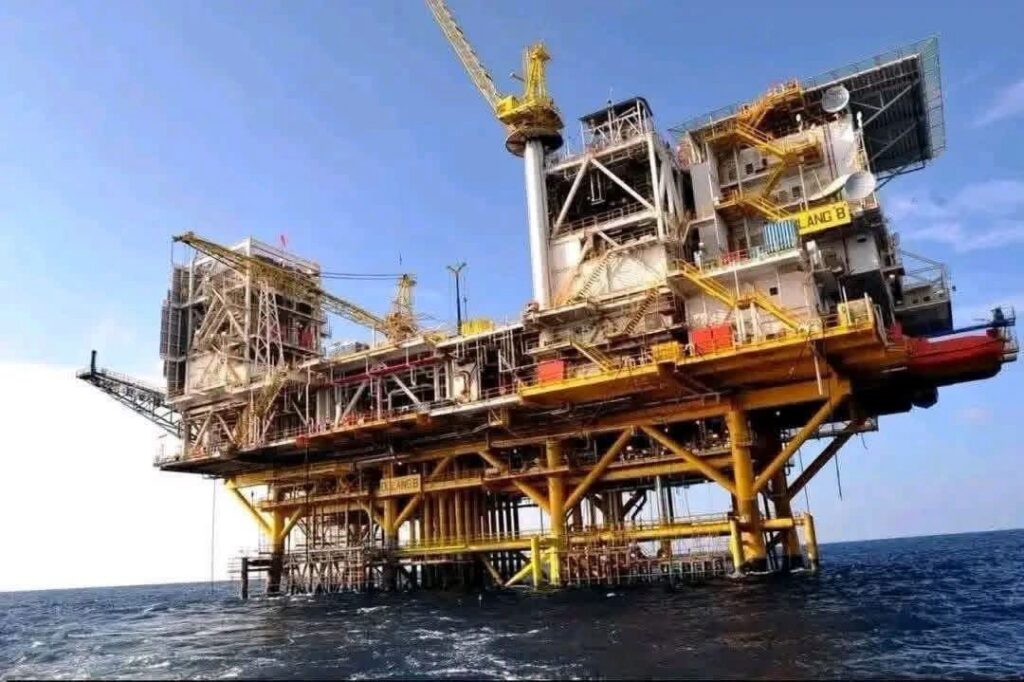
The resumption of oil exports from Benin’s Sèmè offshore field marks a watershed moment for the West African nation’s economic landscape. A maiden shipment of roughly 330,000 barrels is bound for Rotterdam, Netherlands, aboard the Kriti Jade, signaling the end of a three-decade hiatus during which Africa’s oil potential lay untapped offshore Benin’s coast.
From abandoned reserves to first commercial cargo
Sèmè field first entered production in 1982 and operated until 1998, when technical decline, operational costs and shifting market conditions forced its shutdown. For nearly 30 years, the subsea reservoir remained dormant, leaving Benin without a key revenue stream and a lever for economic diversification. Reopening the field required fresh drilling campaigns, updated feasibility studies and the hiring of specialized contractors under Akrake Petroleum Benin’s management. Production restarted in early 2026, culminating in the departure of the first export cargo in November 2026.
Adding a new pillar to Benin’s revenue base
The immediate effect is a new source of foreign exchange earnings. Up to now reliant on port activity, agriculture, trade and services, Benin gains a direct line into the global oil market. While the country will not become a major petro-state overnight, every barrel sold abroad strengthens its foreign reserve position and broadens fiscal flexibility at a time of volatile global energy prices.
Variables that will shape net benefits
Actual output volumes from Sèmè and future wells
World crude price benchmarks such as Brent
Operating expenditures and lifting costs
Fiscal terms agreed between the state and the operator
Transparency in contracts and regular publication of production and royalty data will be critical for citizens and investors to gauge real returns.
Spillover effects expected beyond the oil sector
Offshore exploration and drilling can catalyze adjacent industries: marine logistics, subsea maintenance, engineering services, transport and local procurement. The project also offers a platform to train local technicians and build technical competencies that could be redeployed across the broader economy.
A concerted effort to involve Beninese firms subject to safety and quality standards will help embed the benefits within the domestic economy. Over time, this could evolve into a cluster of energy-related services that diversify job opportunities and reduce reliance on imported technical expertise.
Crude export does not mean cheaper fuel at home
The cargo leaving Sèmè consists of raw crude, not refined products such as gasoline or diesel. Benin will continue to import finished fuels to meet domestic demand until it assesses the economics of building or partnering for a local refinery. Any downstream strategy would hinge on volumes, crude quality, national consumption patterns, capital requirements and projected margins.
Environmental safeguards and long-term output risks
Offshore operations carry environmental and safety risks that require continuous monitoring. Benin’s oil regulator must enforce stringent environmental management plans, spill response protocols and routine audits. Equally important is the field’s ability to maintain commercial output over the medium term. Reserve depletion rates, well performance and lifting costs will determine whether Sèmè can graduate from a short-term windfall to a sustainable contributor to public finances.
From barrels to lasting prosperity: the governance test ahead
The real measure of success will be Benin’s capacity to convert black barrels into durable wealth. Public revenues from oil must be allocated to high-impact areas such as transport infrastructure, electrification, education and healthcare. Publishing verified production and royalty statements will bolster accountability and allow taxpayers to track tangible outcomes. If managed well, Benin’s oil restart could set a precedent for how small coastal producers leverage limited resources to deliver broad-based development.
By Georges Essomba — Journalist





