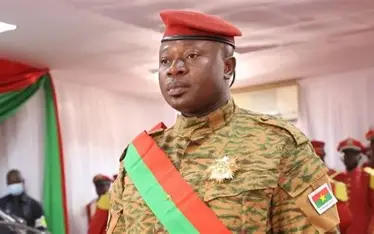
The judicial noose around Burkina Faso’s former leader, Paul-Henri Sandaogo Damiba, tightens as the country presses terrorism charges that could land him before a firing squad. His extradition from Togo in January 2026, secured with guarantees on fair trial and no death penalty, now hangs by a thread following Ouagadougou’s decision to reinstate capital punishment for terror-linked crimes.
The backdrop: A political upheaval and its legal fallout
Damiba, who led Burkina Faso’s transitional government before being ousted in September 2022 by Captain Ibrahim Traoré, faces three serious accusations: complicity in terrorist criminal association, illegal firearm possession with terrorist intent, and terrorism financing. These charges frame an already volatile political dispute as a judicial showdown, with potential consequences that ripple far beyond Burkina Faso’s borders.
His extradition from Lomé in January 2026 was framed as a diplomatic win for Ouagadougou until Ouagadougou revised its legal code. The timing is critical: the new criminal law, adopted in October 2026, reintroduces the death penalty specifically for terror-related offenses, aligning ominously with the charges against Damiba. While innocence is presumed and guilt unproven, the legal risk is real and the diplomatic stakes even higher.
Togo’s gamble: From assurances to accountability
When Togo agreed to extradite Damiba, its government cited ironclad guarantees from Burkina Faso: no death penalty, protection of his rights, a fair trial, and respect for due process. Those assurances were the cornerstone of Lomé’s decision. Yet with Burkina Faso’s legal landscape shifting, the credibility of those commitments is now under intense scrutiny.
The Togolese executive faces a delicate choice: Does it stand by the guarantees it brokered, or does it risk undermining trust in interstate cooperation across West Africa? A failure to uphold its own diplomatic commitments could set a dangerous precedent one where extradition becomes a gamble rather than a safeguard of justice.
Diplomatic fallout: When legal promises meet political rivalries
The Damiba-Traoré rivalry casts a long shadow over the proceedings. Traoré’s 2022 coup ended Damiba’s brief tenure, creating a legacy of distrust. Now, the former president stands accused by the very regime that supplanted him. The judicial process must rise above this history of political rupture or risk being perceived as vengeance in robes.
For Damiba, the stakes are existential. He must prepare a defense free from coercion, consult legal counsel without restriction, and appear before a tribunal that meets international standards of impartiality. Any deviation real or perceived could fuel accusations of a politically motivated trial and erode confidence in Burkina Faso’s judiciary.
Lomé’s obligations: Beyond the letter of the law
Togo’s role does not end with extradition. As the guarantor of Damiba’s rights during trial, Lomé must advocate for the enforcement of the guarantees it secured. Silence now would signal a hollow commitment to judicial cooperation and embolden other nations to disregard assurances when political winds shift.
This case transcends Damiba’s fate. It tests the integrity of regional extradition systems built on mutual trust. When legal reforms or political rivalries can unravel safeguards overnight, how can future extradition agreements be trusted? The answer lies not only in Ouagadougou’s adherence to its word but in Lomé’s willingness to hold it to account.
A broader lesson: Justice without exception
The fight against terrorism demands resolute action, but never at the expense of due process or human rights. Burkina Faso’s reinstatement of the death penalty for terror crimes tests its commitment to these principles. Likewise, Togo’s follow-through on its guarantees will determine whether regional cooperation remains a shield for justice or becomes a casualty of power and politics.
Damiba’s case is not just about one man’s future. It’s a referendum on the rule of law in West Africa and whether diplomatic assurances still hold weight when the stakes are life and death.
By Rose Njoya — Journalist





