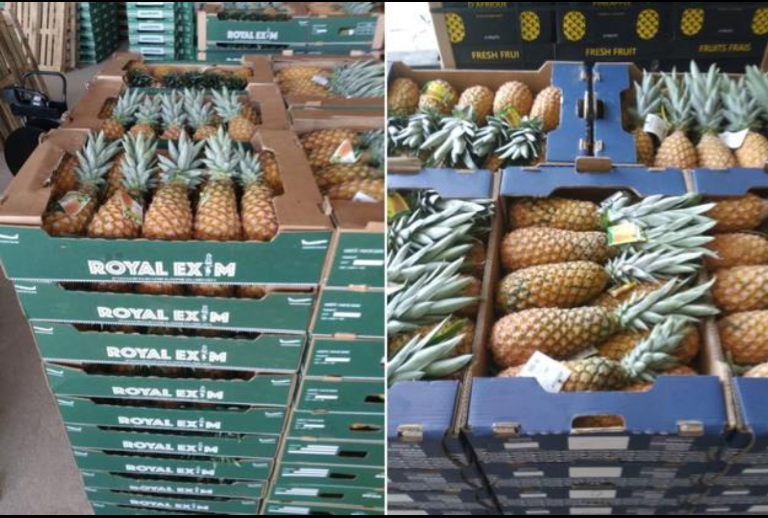
UK market opens doors to Benin’s fresh produce boom
Benin’s agricultural sector is making a significant impact on the UK market, with exports to the United Kingdom jumping by 62.5% over the past year. Official British trade data reveals that Beninese goods, particularly fresh produce, reached £13 million in sales by June 2026—a sharp rise that underscores the growing appeal of African agricultural products among British consumers.
The surge in exports, driven mainly by fruits and vegetables, contrasts with a slight decline in UK exports to Benin, highlighting a shifting dynamic in bilateral trade. While British goods still dominate overall trade flows, Benin’s agricultural producers are carving out a more prominent space in one of the world’s most demanding markets.
The drivers behind the export boom
The most striking feature of this growth is the fourfold increase in the value of merchandise exports, which soared to £5 million. Combined with a £5.2 million valuation for fruit and vegetable sales, the data points to Benin’s strengthening position in the UK’s fresh produce sector. For local farmers, exporters, and agribusinesses, this represents not just a commercial opportunity, but a validation of Benin’s ability to compete internationally.
Analysts point to several factors behind this rise, including improved access to British retail chains and growing demand for exotic fruits and sustainably grown vegetables. The UK’s appetite for tropical and seasonal produce has created a lucrative niche that Benin is uniquely positioned to fill, thanks to its rich agricultural base and geographic proximity to Europe.
The role of quality standards in market penetration
Breaking into the highly regulated UK market is no small feat. Beninese exporters have had to meet stringent sanitary and phytosanitary (SPS) requirements, invest in improved packaging, and ensure reliable cold chain logistics. These efforts have paid off, as more British supermarkets and wholesalers now stock Beninese mangoes, pineapples, and leafy greens alongside traditional suppliers.
Yet challenges remain. Maintaining consistent quality, ensuring full product traceability, and managing freight costs are critical hurdles that Benin must overcome to sustain and expand its market share. As production scales up, so too does the need for upgraded storage, processing facilities, and transportation networks—especially to reduce spoilage and cut transit times.
UK exports to Benin decline, widening trade deficit
While Benin benefits from rising agricultural sales, UK goods exported to Benin fell by 6.9%, totaling £54 million. Despite this drop, British products still account for over 80% of all bilateral trade, valued at £67 million—a gap of £41 million that reflects the UK’s continued dominance in the partnership.
This imbalance suggests that while Benin is making inroads in specific sectors like food, other industries such as machinery, energy products, and financial services still favor British suppliers. The trade deficit, though narrowing on the export side, remains a long-term concern for policymakers in Cotonou.
What’s next for Benin–UK trade?
The latest trade figures are more than just numbers—they signal a historic shift in how two distant economies interact. For Benin, the priority is no longer just accessing the UK market, but deepening and diversifying that access. With only 1.3% market share in Benin and ranking 169th among UK trading partners, there is vast untapped potential.
Strategies for growth include expanding beyond raw agricultural products to processed goods like juices, dried fruits, and canned vegetables—higher-value items that command better prices and strengthen supply chain resilience. Local transformation could also help reduce dependency on volatile commodity prices and build brand recognition in international markets.Infrastructure development will be key. Ports, refrigeration facilities, and inland transport corridors must be upgraded to support larger volumes and faster delivery. Public-private partnerships and targeted investment incentives could accelerate this transformation, making Benin a more reliable and competitive supplier to the UK.
A moment of opportunity—and accountability
It is important to note that these trade figures are based on UK data and may differ from Beninese records due to methodological differences in tracking and reporting. However, both sets of data confirm a clear trend: Benin’s agricultural sector is gaining ground. The real test will be whether this momentum can be maintained through disciplined quality control, market diversification, and strategic investment.
For Benin’s economy, the stakes are high. Transforming a short-term export surge into a lasting trade relationship could boost rural employment, increase foreign revenue, and strengthen economic ties with a key global market. The question is no longer whether Benin’s products belong in the UK—the answer is clear. The challenge is to make sure they stay there, grow, and deliver real benefits to communities across Benin.