Benin-Niger border thaw: a glimmer of hope for economic revival?
A joint Benin-Niger expert committee has delivered its findings on reopening their shared border, which has been closed since 2023. The report outlines agreements on security, transit protocols, and select legal and economic frameworks. Yet, Niger has set three non-negotiable conditions that must be met before political ratification can proceed.
The border closure has inflicted severe economic and humanitarian strain on both nations. How will this lingering dispute reach resolution, and what does it mean for regional stability?
Three non-negotiable prerequisites from Niamey
Over the weekend, Nigerien authorities outlined three uncompromising conditions for a lasting reopening of the Benin border:
- A formal mutual defense and security pact with Benin, guaranteeing no aggression and forbidding either nation from hosting groups aimed at destabilizing the other.
Regis Hounkpe, executive director of InterGlobe Conseils, emphasizes the inevitability of such an agreement: “Mutual non-aggression is fundamental. While it may seem extraordinary in today’s context, it’s a standard expectation that both sides must uphold. The real challenge lies in implementation—ensuring this non-binding yet essential clause is actively enforced by both Benin and Niger.”
- Establishing a joint intelligence-sharing cell to facilitate real-time information exchange on terrorism and cross-border trafficking.
Hounkpe welcomes this step, stressing its importance for reciprocal trust: “A shared intelligence hub ensures neither country harbors destabilizing movements. It’s a pragmatic move that strengthens regional security.”
- Full transparency regarding the presence of foreign or military forces along the Beninese side of the border.
“This touches on sovereignty,” Hounkpe notes. “President Wadagni has repeatedly affirmed Benin’s autonomy in foreign partnerships. Whether with France, Western nations, or others, Benin retains the right to military cooperation—but never to use these alliances against Niger.” He adds, “Pragmatically, no nation benefits from exporting instability.”
These demands reflect Niger’s lingering mistrust following the July 2023 military coups in both countries. Securing sovereignty and territorial integrity remains a top priority for Niamey.
Niger bears the brunt of the closed border
Niger, a landlocked nation, relies heavily on Benin as its primary maritime gateway—nearly 70% of its imports pass through this corridor. The closure has crippled trade, driving up logistics costs by 30 to 50% in under three years.
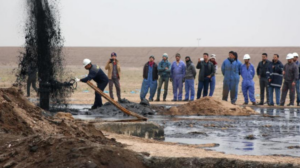
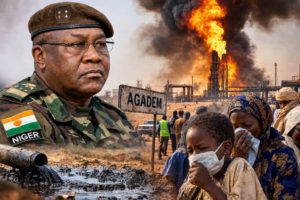
The 2,000-kilometer oil pipeline linking Niger’s Agadem fields to Benin’s Sèmè-Kpodji port has also ground to a halt, halting oil revenues critical to Niger’s budget. Meanwhile, Benin’s port of Cotonou, a regional hub, faces severe congestion, with container backlogs disrupting supply chains.
Trade routes circumventing Benin are longer, riskier, and far costlier. The ripple effects extend beyond economics—food shortages and price surges have hit local markets, while families and communities remain fragmented. Smuggling and extortion have surged in response.
Benin’s economic strain
Benin, too, suffers from the border shutdown. Revenue from transit fees has plummeted, with losses hitting 60% in some sectors. The port’s diminished throughput has redirected maritime traffic to Togo and Nigeria, threatening Benin’s status as a regional trade leader.
Logistics bottlenecks and reduced commercial activity have crippled transportation, wholesale trade, and logistics firms. Essential goods, from construction materials to fuel and rice, face delayed deliveries, further straining local economies.
Macroeconomic imperative for both nations
Hounkpe underscores the shared economic imperative: “Reopening the border would restore trade flows, revitalize Cotonou’s port operations, and reinvigorate logistics networks for transporters, traders, and businesses on both sides. It’s not just about economics—it’s about restoring stability and regional cooperation.”
The crisis has disproportionately affected small-scale traders and transporters. At border towns like Malanville (Benin) and Gaya (Niger), vendors report up to a 50% drop in customers, with many shops shuttered and livelihoods lost.
Path forward: a phased reopening?
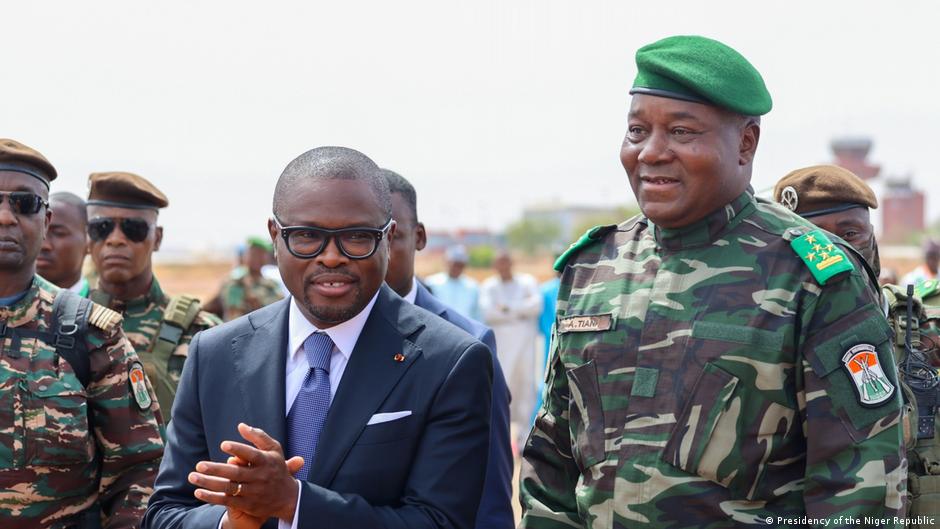
With negotiations underway since President Romuald Wadagni’s June 2026 visit to Niamey, a gradual reopening appears likely—starting with essential goods under heightened monitoring. Hounkpe expresses confidence this thaw could set a positive example for the Economic Community of West African States (ECOWAS) and the Alliance of Sahel States (AES).
“Leaders today must prioritize geography over ideology,” he asserts. “They have no choice but to collaborate—economically, logistically, and in combating terrorism. The alternative is further instability.”