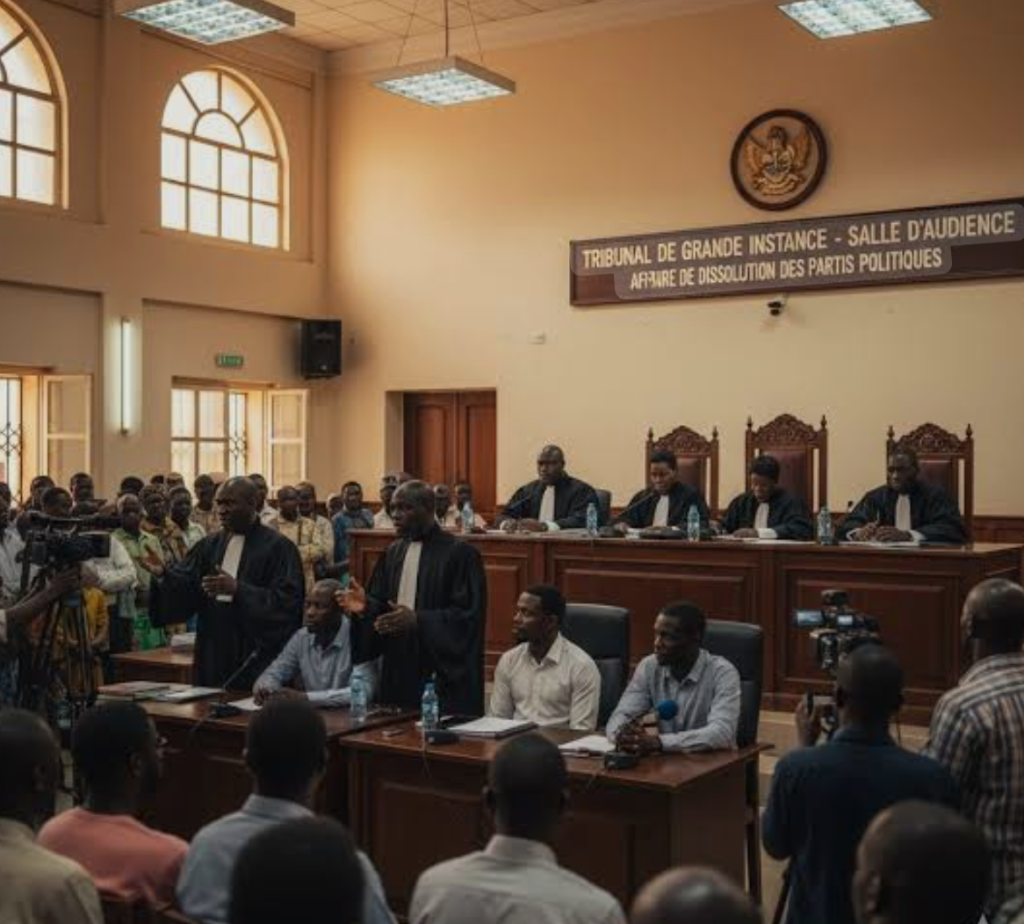
An unsettling atmosphere gripped the Bamako courtroom on a Monday morning as the high-stakes trial of military personnel and civilians accused of plotting to overthrow the ruling junta unfolded. Among the defendants was an unusual figure: a traditional healer charged with providing mystical support to the alleged coup plotters. The day’s proceedings took an unexpected and dramatic turn when inexplicable events unfolded in rapid succession, forcing an abrupt halt to the trial until the following day.
political and symbolic tensions reach fever pitch
The trial, already charged with political significance, entered uncharted territory with the involvement of a defendant described as a féticheur. While cases involving national security routinely draw intense scrutiny, the presence of occult practices in such matters is not unheard of in the region—but it rarely fails to inject an extra layer of tension into the proceedings. The defence’s decision to call a state prosecutor to the stand to testify against the traditional healer backfired spectacularly, as an inexplicable medical emergency brought the courtroom to a standstill.
sudden collapse ignites courtroom chaos
The moment the prosecutor rose to address the bench, the air grew heavy with anticipation. As he began his testimony, the room fell silent—until his voice faltered. Within seconds, he collapsed onto the floor, his body giving way without warning. The scene left onlookers stunned; even the prosecution team, including the prosecutor and court clerk, abandoned their posts in visible panic, abandoning the proceedings. Faced with the gravity of the situation, the presiding judge had no choice but to suspend the hearing immediately, resuming only the following morning.
disturbing incidents continue beyond the courtroom
The unsettling events did not end with the adjournment. During the transfer of the accused traditional healer back to detention, further anomalies emerged. The military officer responsible for transporting the detainee experienced sudden dizziness, struggling to maintain control of the vehicle. Though the prisoner arrived safely at the high-security facility, the escort was visibly shaken by the experience. Whispers among prison officials hinted at the possibility that the traditional healer’s alleged powers—possibly honed through initiation in Bénin, a region known for potent protective charms—were at play.
how occult beliefs disrupt institutional order
The trial’s bizarre interlude highlights a deeper psychological phenomenon: the powerful influence of local beliefs on public institutions. In many West African societies, traditional healers command a mix of fear and reverence. When medical emergencies coincide with testimony against such figures, observers are quick to attribute the events to supernatural causes. The psychological impact is immediate—stress levels spike among participants, fear spreads rapidly, and physiological reactions are reinterpreted as evidence of occult interference. This creates an environment where even the most rational legal proceedings can be overshadowed by irrational fears, placing immense pressure on magistrates tasked with upholding the law.
what lies ahead for the trial?
As the trial resumes under heightened security measures, the judiciary faces a delicate challenge: maintaining order while preventing irrational influences from derailing justice. The prosecutor’s health will be closely monitored, and precautions around the traditional healer’s detention and courtroom appearances may be strengthened. Whether calm will return to the courtroom—or whether further disruptions will arise—remains uncertain. One thing is clear: the intersection of politics, law, and traditional beliefs has turned this trial into an unprecedented spectacle, leaving observers to wonder what further surprises may emerge in a case where reason and ritual collide.