The 2027 French presidential race is already taking shape, with over 30 high-profile figures declaring their intentions to run. Yet for many, the road to the ballot box is far from simple. Beyond the headlines of ambition and aspiration lies a harsh reality: securing 500 official endorsements from elected officials is a formidable barrier that could reshape the entire electoral landscape.
More than 30 hopefuls, but only a select few will make the ballot
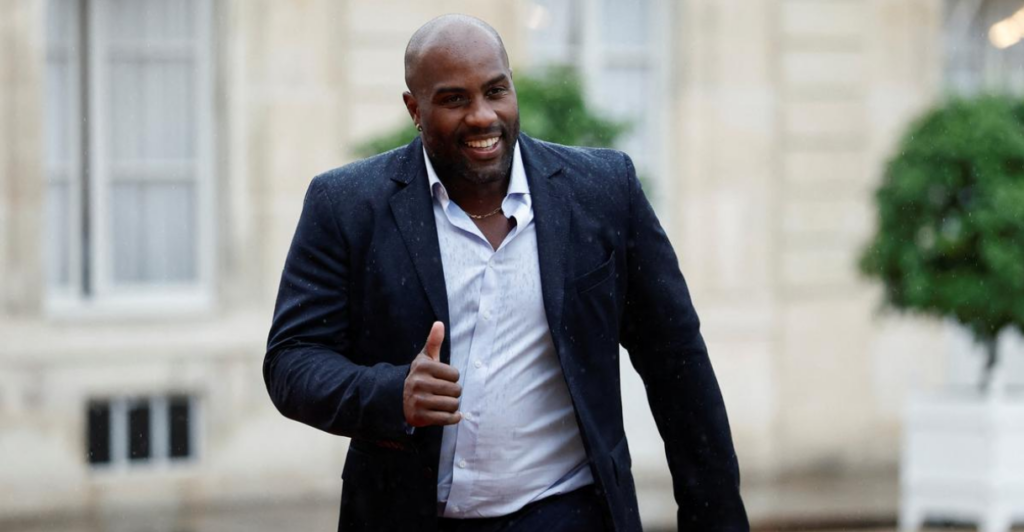
The number of declared candidates continues to climb, spanning political veterans, grassroots activists, and even a global sports icon. Teddy Riner’s late 2026 announcement as a presidential contender—positioning himself as a unifying figure outside traditional party lines—adds further momentum to this growing field. Yet public declarations tell only part of the story.
To appear officially on the ballot, each candidate must overcome a critical threshold: gathering 500 validated signatures from eligible elected representatives across France. This requirement, steeped in constitutional tradition, goes beyond mere political support—it tests a candidate’s network, influence, and ability to transcend regional divides.
The 500-signature challenge: rules, limits, and real consequences
Under French electoral law, the path to validation is tightly regulated. Signatures must come from mayors, members of Parliament, regional and departmental councilors, and other elected officials—each wielding official authority to endorse a candidacy. But mere volume isn’t enough. The law demands geographic diversity: signatures must come from at least 30 different departments or overseas territories, preventing clustering in a single region.
Equally crucial, no single department can supply more than 50 signatures—just 10% of the total required. This ensures a minimum level of national representation, making it difficult for candidates to rely on concentrated local networks alone.
It’s worth noting: a signature is not a political endorsement. An elected official can back a candidate without sharing their views—fulfilling a procedural role rather than a partisan one. The requirement is about institutional access, not ideological alignment.
Who can legally run — and what stands in their way
Beyond signatures, presidential hopefuls must meet strict eligibility criteria. They must be French citizens, at least 18 years old, and possess full civil and political rights. Any history of legal incapacity or ineligibility can disqualify a candidate outright. They must also meet national service obligations and file detailed declarations of assets and interests—scrutinized by the Constitutional Council.
For outsiders like athletes or celebrities, this process can be especially daunting. While Teddy Riner’s profile brings visibility, his lack of political infrastructure means every signature must be painstakingly secured through outreach, persuasion, and negotiation.
Deadline looms: when the race narrows to reality
The countdown is now on. The Constitutional Council has set a hard deadline: all 500 signatures must be submitted by March 12, 2027, at 6:00 PM. The final list of approved candidates will be published no later than March 26, 2027. That leaves just months for hopefuls to navigate a complex web of local politics, alliances, and bureaucratic compliance.
The stakes are high. Candidates who fail to meet the threshold will see their ambitions dashed before the first campaign speech is ever delivered. The race, already crowded, is about to become exclusive.
Election mechanics and accountability: what happens next
Once validated, candidates enter a strictly regulated campaign environment. Spending is capped, financing must be transparent, and campaign accounts are audited by the National Commission for Campaign Finance Control. Even small donation limits apply, ensuring public trust in the integrity of the process.
The first round of voting is scheduled for April 18, 2027, with a potential runoff on May 2. But for many candidates, the real campaign begins long before voters head to the polls—it starts with the relentless pursuit of 500 signatures, a task that separates genuine contenders from fleeting ambitions.
The high cost of ambition: why most won’t make it
Historical data shows that only about one-third of declared candidates ultimately secure the necessary endorsements. Some lack the political weight to attract signatures. Others underestimate the logistical challenge. A few simply realize the odds are insurmountable—and withdraw.
Teddy Riner’s journey offers a telling example. His platform may resonate broadly, but translating goodwill into signed endorsements requires time, strategy, and often, compromise. For every athlete-turned-candidate, dozens of local figures risk their reputations vouching for an untested name—each signature carrying a cost beyond the procedural.
The ripple effect: how the race shapes French society today
Even before ballots are cast, the 2027 presidential race is already influencing national conversation. Policy debates are shifting. Media narratives are evolving. Public expectations are being recalibrated. But beneath the spectacle, a quieter drama unfolds—one of eligibility barriers, missed deadlines, and shattered dreams.
The consequences reach beyond politics. Businesses hesitate to invest in uncertain futures. Voters grow skeptical of overcrowded fields. The legitimacy of the eventual winner may be questioned if the ballot appears thin or unrepresentative. In short, 500 signatures don’t just decide who runs—they shape the country’s trajectory.





